
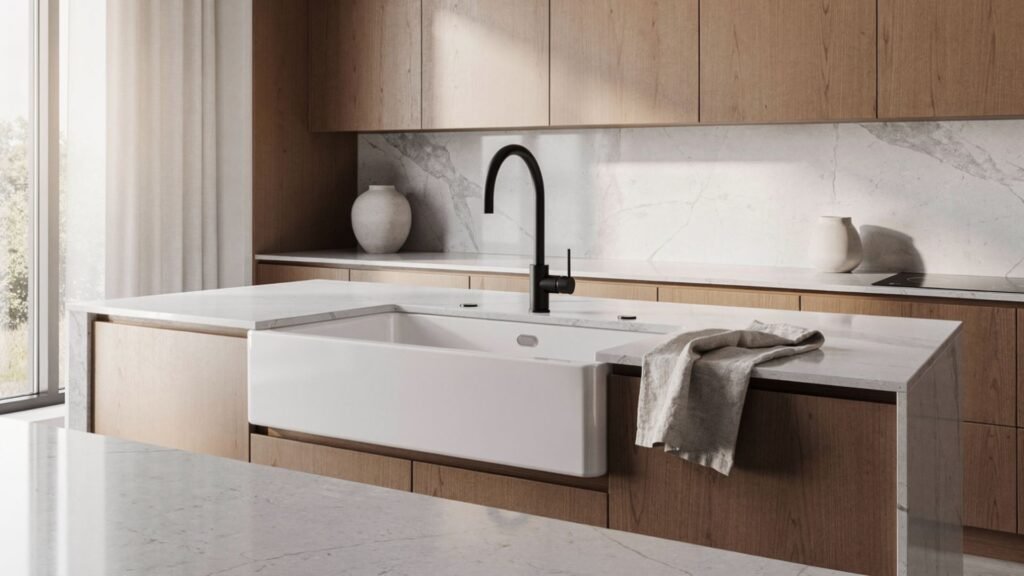
An apron sink is more than a functional kitchen fixture it is a design statement that anchors the entire room. Also known as a farmhouse sink, it features an exposed front panel that extends beyond the cabinet edge, creating a bold, architectural presence unlike any standard undermount or drop-in sink.
An apron sink is a large, deep basin sink with an exposed front panel that extends beyond the cabinet edge. It enhances kitchen functionality and style. It suits farmhouse, modern, and traditional kitchens. Homeowners choose it for its bold look, spacious basin, and long-lasting durability.
Your kitchen deserves a centerpiece that works as hard as it looks. An apron sink delivers exactly that combining generous workspace, timeless character, and striking visual appeal into one powerful fixture that instantly transforms the heart of any home.
Apron sink ideas cover a wide range of styles, materials, and configurations. Fireclay, copper, stainless steel, and cast iron each offer distinct advantages. Single and double basin options suit different cooking needs. Smart accessories, proper sizing, and the right faucet pairing make every apron sink installation both functional and visually impressive.
Classic White Fireclay Apron Sink:
For a Timeless Kitchen
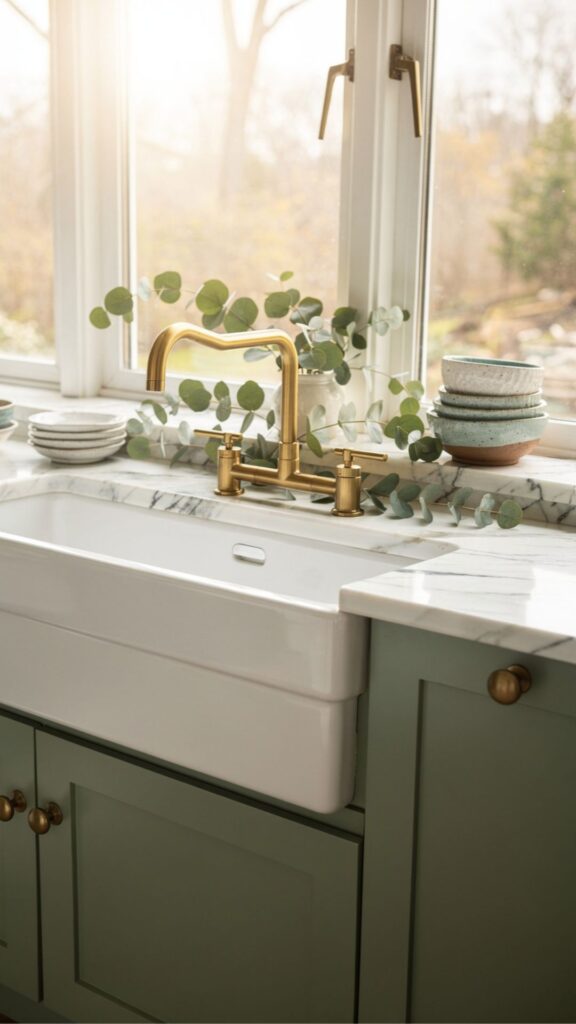
The white fireclay apron sink is the gold standard of farmhouse kitchen design and for good reason. Fireclay is made by fusing clay and glaze at extremely high temperatures, producing a surface that is exceptionally dense, nonporous, and resistant to chipping, staining, and scratching.
Unlike porcelain-coated cast iron, fireclay holds its finish longer and requires less intensive maintenance over the years. Its bright, clean white tone pairs beautifully with virtually every kitchen style, from traditional shaker cabinets to modern minimalist interiors.
What makes fireclay particularly special is its handcrafted quality. Each sink is individually cast and fired, meaning subtle variations in glaze and shape are natural and intentional not defects. This artisanal quality adds genuine character to your kitchen that mass-produced alternatives simply cannot replicate.
Designers consistently recommend fireclay for clients who want a sink that looks just as beautiful after ten years as it did on installation day. For practical use, fireclay’s nonporous surface resists bacterial growth and odor absorption an important detail for a surface that handles raw food daily.
However, fireclay is heavy, often weighing 100–200 pounds depending on size. Cabinet reinforcement is typically required before installation. Pair a white fireclay apron sink with oil-rubbed bronze or brushed gold fixtures for a look that feels warm, timeless, and completely magazine-worthy.
Stainless Steel Apron Sink:
For a Modern, Professional Kitchen
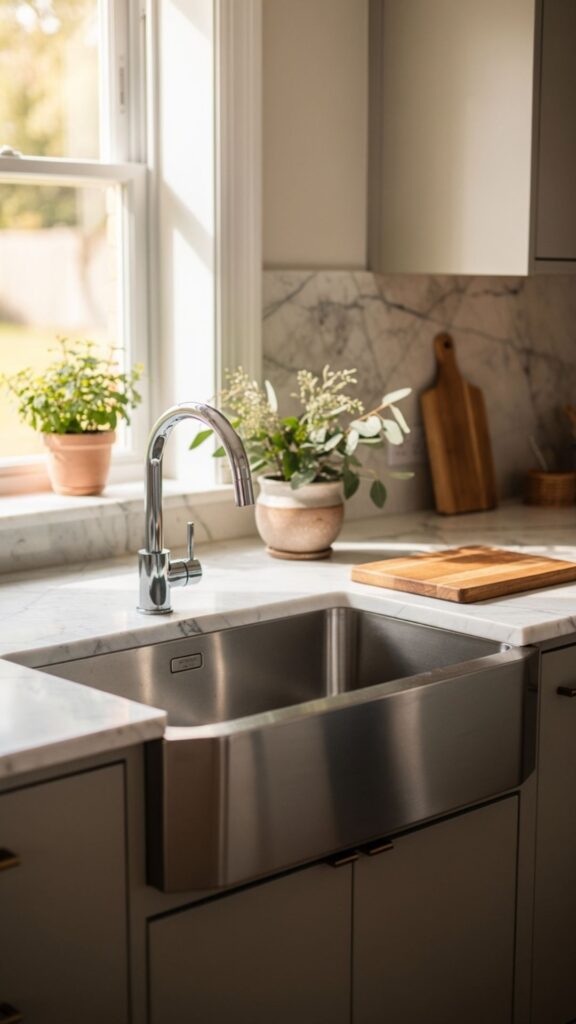
Stainless steel apron sinks bring the polished efficiency of a professional kitchen into the home environment. They are durable, hygienic, heat-resistant, and surprisingly versatile across different design aesthetics. A brushed stainless farmhouse sink fits equally well in an industrial-modern kitchen, a Scandinavian minimalist space, or even alongside warm wood tones in a contemporary farmhouse design. The material’s neutral, reflective quality makes it one of the most adaptable choices available.
Gauge matters significantly when selecting a stainless steel apron sink. Lower gauge numbers indicate thicker steel a 16-gauge sink is noticeably more solid and dent-resistant than an 18-gauge model. For a kitchen apron sink that endures daily heavy use, 16-gauge is the professional standard.
Thicker steel also reduces the hollow, resonant sound that thinner stainless models are known for though many high-quality stainless sinks now include sound-dampening pads on the underside to address this issue.
One unique advantage of stainless steel apron sinks is their resistance to thermal shock. You can pour boiling water directly from a pot without worrying about cracking or discoloration a genuine practical benefit that fireclay and composite sinks cannot always match.
Maintenance is straightforward: regular rinsing, occasional application of a stainless steel cleaner, and drying after use to prevent water spots. For homeowners who want maximum durability with minimal fuss, a stainless apron sink is a smart, enduring investment.
Must Read: Farmhouse Kitchen Ideas That Pair Absolutely Perfectly with Your Beautiful Apron Sink.
Single Basin Apron Sink:
For Maximum Workspace Efficiency
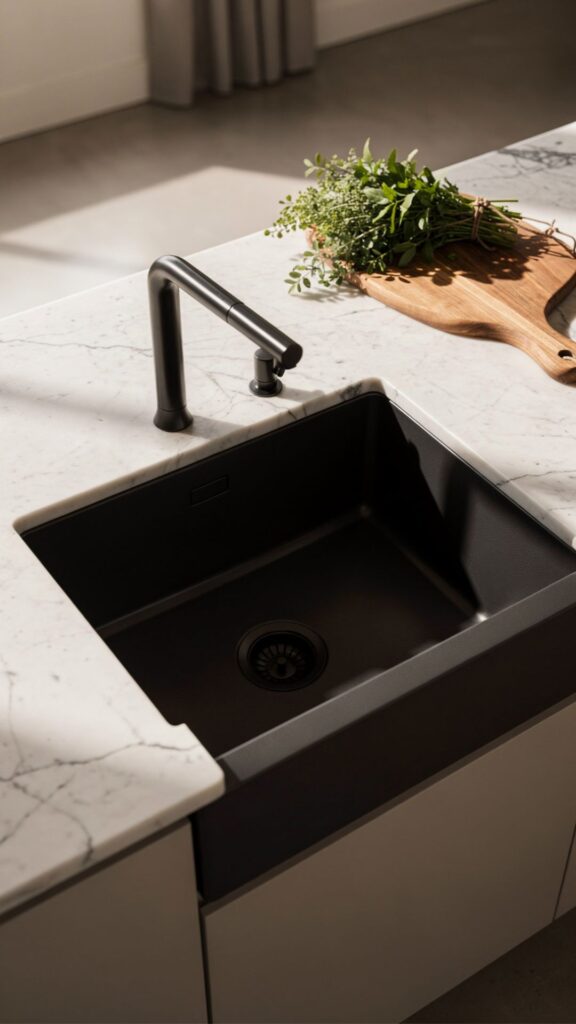
A single basin apron sink is the most popular configuration for farmhouse-style kitchens and experienced kitchen designers consistently recommend it for good reason. The uninterrupted basin provides a large, open workspace ideal for washing oversized pots, baking sheets, and cutting boards that simply don’t fit in standard divided sinks.
For home cooks and professional-level enthusiasts, this expanded utility is genuinely transformative. The typical single basin apron sink measures between 30 and 36 inches wide, with depths ranging from 8 to 10 inches. Deeper basins 9 to 10 inches reduce splashing significantly and allow for comfortable soaking of large cookware without water escaping onto surrounding surfaces.
However, very deep basins can cause back strain over time for shorter users, so ergonomic depth selection based on the primary user’s height is a consideration many buyers overlook until it’s too late. Single basin apron sinks also offer design flexibility that divided models don’t. The seamless interior is easier to clean, with no center divider to trap food debris or develop mineral buildup.
From an aesthetic standpoint, the clean, unbroken interior of a single basin sink photographs beautifully and maintains its visual elegance over years of use. For open-concept kitchens where the sink is visible from living areas, this visual cleanliness makes a meaningful difference in the overall impression of the space.
Double Basin Apron Sink:
For Organized Multi-Task Cooking
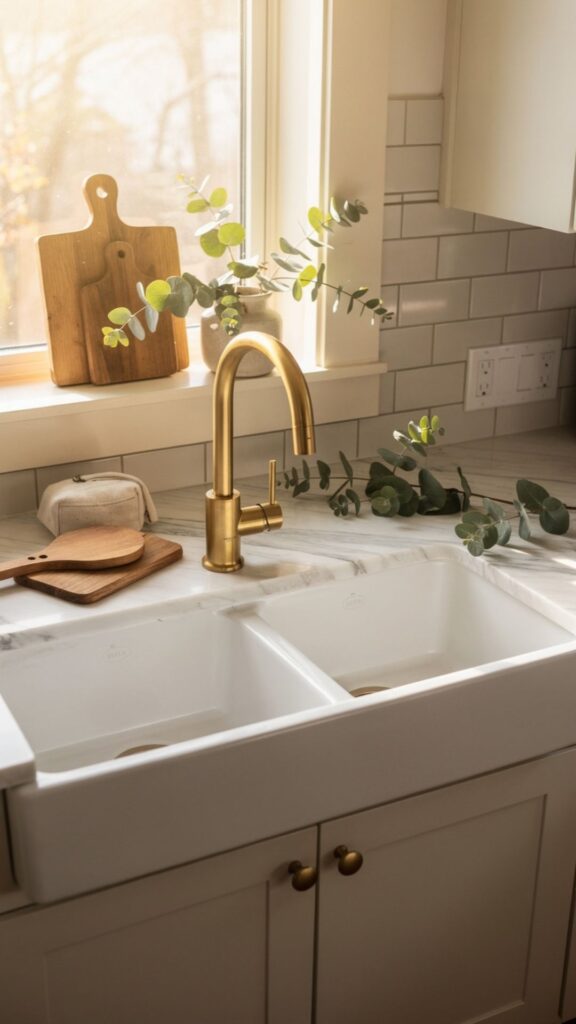
While the single basin dominates farmhouse sink popularity, the double basin apron sink offers a compelling alternative for households that prioritize organized, multi-task kitchen workflows. A divided basin allows simultaneous food preparation and dishwashing one side for soaking, one side for rinsing without cross-contaminating clean and dirty items. For families with children, professional home cooks, or households without a dishwasher, this separation of function is genuinely practical.
Modern double basin apron sinks often feature an unequal division a larger basin on one side and a smaller one on the other rather than a traditional 50/50 split. This asymmetric configuration provides the best of both worlds: a spacious primary basin for large cookware and a secondary basin for food prep, vegetable washing, or draining.
This design reflects a sophisticated understanding of how real kitchen workflows operate, rather than forcing equal use of both sides. The aesthetic of a double basin apron sink is slightly more traditional and structured compared to the open, flowing look of a single basin.
However, for kitchens with a more formal or classically symmetrical design, this structured quality can be a genuine asset rather than a limitation. Double basin models are available in fireclay, cast iron, and composite materials, ensuring that function doesn’t require any compromise on style or material quality.
Cast Iron Apron Sink:
For Unmatched Durability and Weight
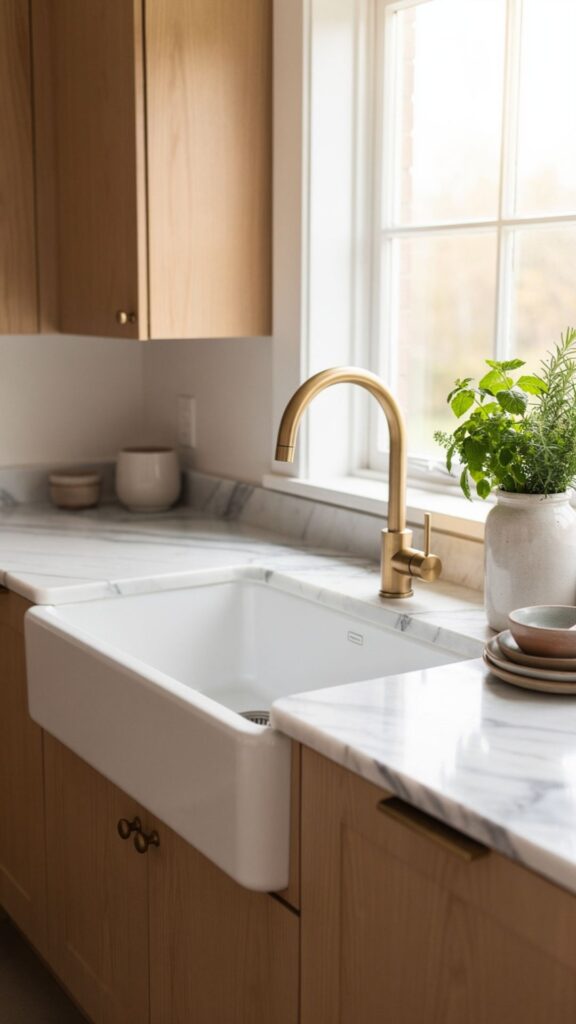
Cast iron apron sinks have been the backbone of American farmhouse kitchens for well over a century, and their enduring popularity is a testament to their exceptional performance. Cast iron is coated with a thick layer of porcelain enamel, producing a surface that is incredibly hard, deeply lustrous, and available in a wide range of colors from classic white and biscuit to deep navy, hunter green, and matte black.
For homeowners who want color in their sink without sacrificing durability, cast iron is the premier choice. The weight of a cast iron apron sink is both its greatest strength and its primary installation challenge. These sinks routinely weigh 200–300 pounds, requiring robust cabinet support and professional installation.
However, that mass provides extraordinary thermal mass cast iron retains heat exceptionally well, keeping dishwater warm longer and making handwashing more comfortable during cold months. This is a practical benefit that lighter materials simply cannot offer.
One nuanced consideration with cast iron is the porcelain enamel coating. While extremely durable, it can chip if a heavy pot or cast iron pan is dropped directly onto the surface. Once chipped, the exposed iron beneath can rust if left untreated.
Repair kits are available and effective, but prevention using sink grids or rubber mats is always the smarter approach. With proper care, a quality cast iron apron sink can last 30 to 50 years, making it one of the most cost-effective long-term kitchen investments available.
Copper Apron Sink:
For a Warm, Artisan Kitchen Aesthetic
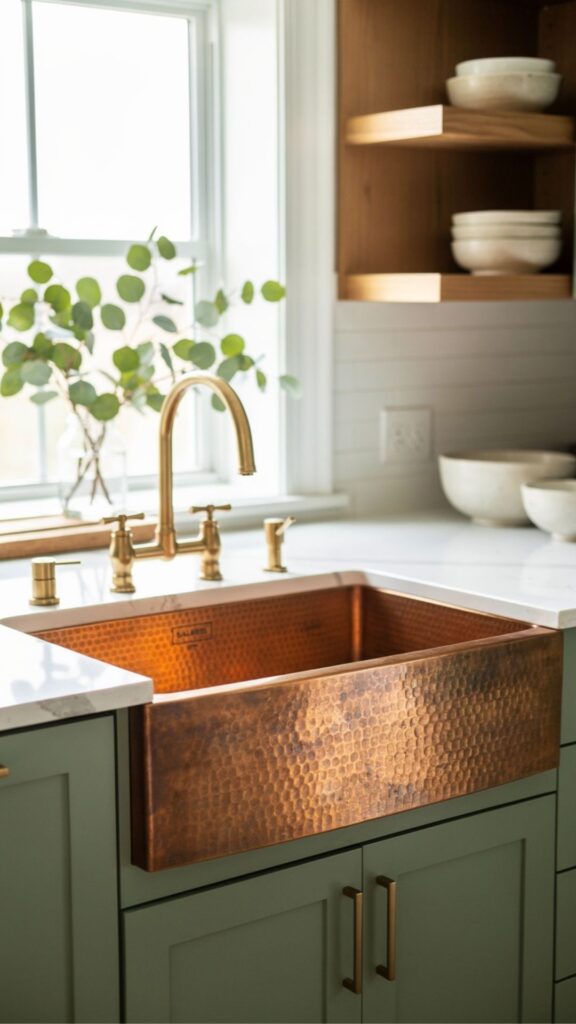
A copper apron sink is perhaps the most visually dramatic choice in the farmhouse sink category and one that carries genuine functional advantages beyond its stunning appearance. Copper is a naturally antimicrobial material, meaning it actively kills bacteria and pathogens on contact.
Studies have confirmed that copper surfaces significantly reduce microbial load compared to stainless steel a meaningful health benefit in a surface that handles raw meat, produce, and unwashed hands daily.
The living finish of a copper apron sink is one of its most distinctive qualities. Unlike static finishes, copper develops a natural patina over time shifting from bright, warm orange to deep, rich brown tones with hints of green in certain conditions.
This living quality is beloved by design enthusiasts who appreciate materials that evolve and tell a story. However, homeowners who prefer a consistent, uniform appearance may find the natural patination process frustrating rather than charming.
Copper apron sinks are hand-hammered by skilled artisans, making each piece genuinely unique. The subtle texture of hand-hammered copper also serves a practical purpose it disguises scratches and water spots far more effectively than smooth surfaces.
Maintenance is straightforward: avoid harsh chemical cleaners, use mild soap and warm water, and periodically treat with a copper-specific wax or sealant to control patination speed. Paired with warm wood cabinetry and handmade ceramic tile, a copper farmhouse sink creates a kitchen that feels genuinely one-of-a-kind.
lack Apron Sink:
For a Dramatic, Contemporary Statement
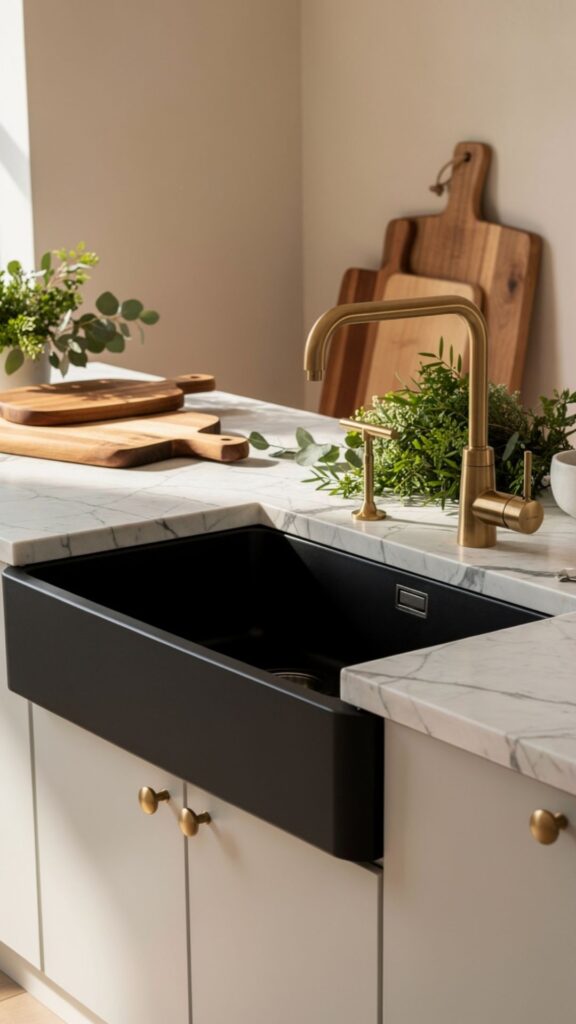
The black apron sink has emerged as one of the most exciting design trends in kitchen renovation and it shows no signs of fading. Available in matte black, gloss black, and textured composite finishes, a black farmhouse sink creates an immediate visual anchor that works across multiple design directions: industrial-modern, dark academia, moody farmhouse, and even bold maximalist kitchens.
Against white or light cabinetry, it delivers striking contrast. Against dark cabinetry, it creates a sophisticated, tonal effect. Composite granite is the most popular material for black apron sinks, and for good reason. Made from a mixture of granite stone dust and acrylic resin, composite sinks are nonporous, scratch-resistant, heat-resistant, and significantly lighter than cast iron making installation easier and cabinet reinforcement less intensive.
The deep matte finish of composite granite is particularly forgiving, hiding water spots, scratches, and minor scuffs far better than polished or lighter-colored surfaces. One consideration with black sinks is water spot visibility. Hard water mineral deposits show more prominently on dark surfaces, requiring more consistent wiping and drying after use.
A water softener or regular application of a mineral deposit remover can address this effectively. Beyond maintenance, a black apron sink paired with matte black fixtures, open shelving, and natural wood accents creates a kitchen aesthetic that is confident, editorial, and genuinely ahead of current mainstream trends.
See The Magic: Cream Kitchen Cabinet Ideas That Create a Stunning Look Alongside Your Apron Sink.
Apron Sink with Integrated Accessories:
For a Smarter Workflow
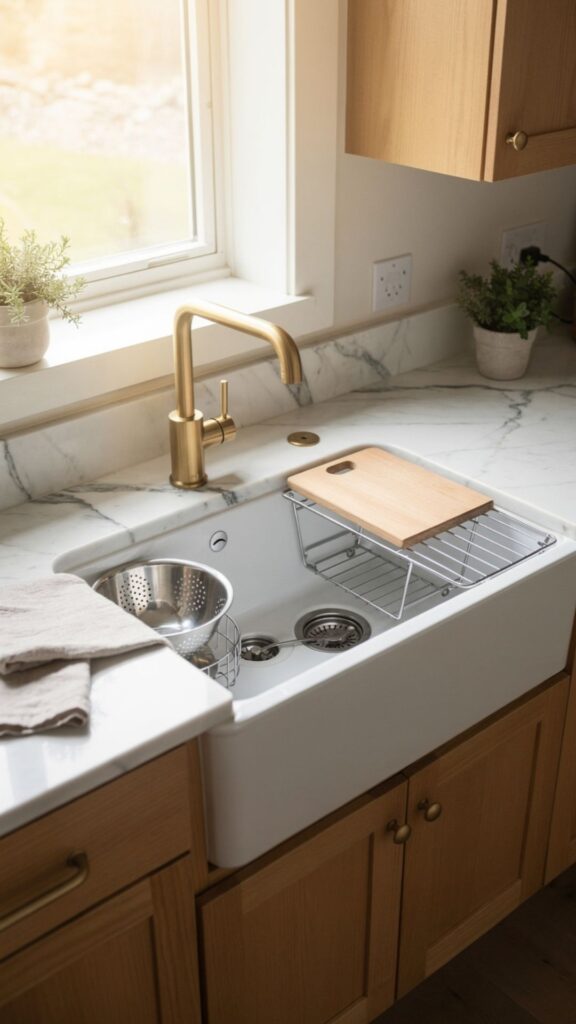
Modern apron sinks have evolved significantly beyond simple basins today’s best models come equipped with or designed to accommodate a sophisticated ecosystem of integrated accessories that transform how efficiently you use your kitchen. Cutting board inserts, colander baskets, bottom sink grids, drying racks, and roll-up drying mats are all examples of accessories that convert a beautiful sink into a fully functional workspace system.
A fitted cutting board that spans the full width of the sink basin, for example, effectively doubles your counter space during food preparation. Vegetables can be chopped directly over the sink, then the colander basket dropped in below for rinsing creating a seamless, efficient prep workflow that reduces mess on surrounding countertops.
This kind of integrated functionality is particularly valuable in smaller kitchens where counter space is genuinely limited. Bottom sink grids are among the most overlooked accessories. They protect the sink’s interior surface from scratches caused by pots, pans, and utensils sliding across the bottom a particular concern for fireclay and cast iron finishes.
Quality grids are made from stainless steel with rubber feet that prevent movement, and they elevate dishes slightly so water drains freely underneath. When selecting an apron front sink, prioritizing models with a comprehensive accessory ecosystem is a detail that separates good purchases from excellent ones that serve you better every single day.
Apron Sink Cabinet Considerations:
For a Seamless Installation
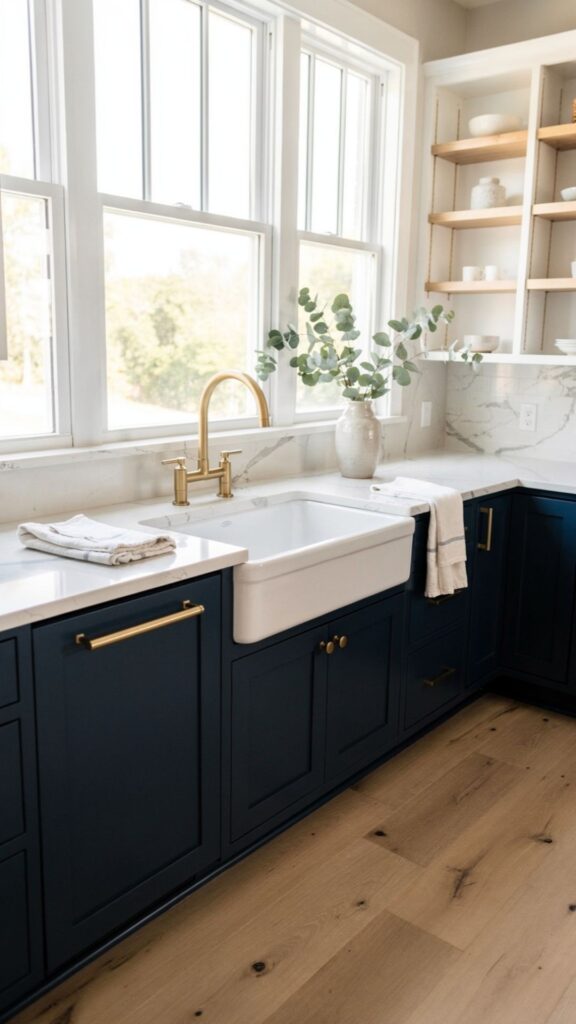
The installation of an apron sink is fundamentally different from a standard undermount or drop-in model, and understanding cabinet requirements before purchasing your sink is essential to avoiding costly surprises. Because an apron sink’s front panel extends beyond the cabinet face, the base cabinet directly below the sink must be specially modified or purchased as a dedicated farmhouse sink cabinet to accommodate the sink’s dimensions and weight.
Most standard kitchen base cabinets are 24 inches deep and 34.5 inches tall. An apron sink sits differently the cabinet front panel is typically removed or significantly modified, and the sink rests on internal supports rather than the countertop alone.
This is why purchasing a dedicated apron sink cabinet from the same manufacturer as your sink, or having a custom cabinet built, is strongly recommended. Mismatched dimensions cause installation headaches, gaps in the cabinet reveal, and potential structural instability over time.
Weight distribution is the other critical installation factor. Cast iron and fireclay apron sinks can weigh 150–300 pounds far more than a standard sink. Internal cabinet supports, blocking, and in some cases additional floor reinforcement may be required.
Working with a professional installer who has specific experience with farmhouse sink installations rather than a general plumber or handyman ensures the job is done correctly the first time. The cost of professional installation is a worthwhile investment that protects a fixture you’ve spent significant money acquiring.
Apron Sink Sizing Guide:
Choosing the Right Dimensions
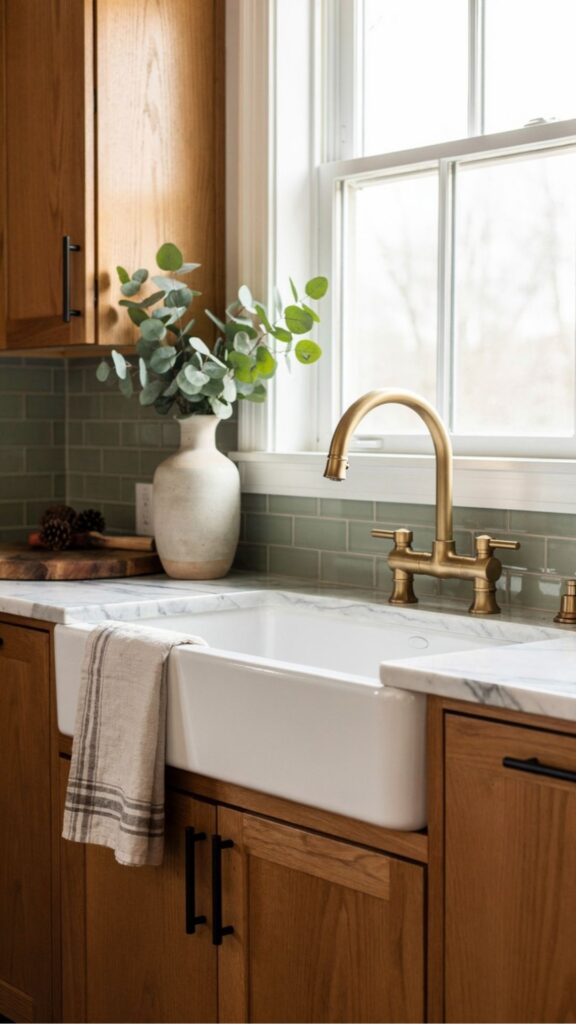
Selecting the correct size for your apron sink is one of the most consequential decisions in the buying process and one that buyers frequently get wrong by focusing on aesthetics before measuring accurately. Apron sinks are available in widths ranging from 24 inches to 48 inches, with the 30-inch and 33-inch models being the most commonly installed in residential kitchens.
Depth options typically range from 8 to 10 inches, and the basin’s interior width ultimately determines what cookware it can accommodate comfortably. A 30-inch apron sink is well-suited to standard kitchen layouts and accommodates most pots, pans, and baking sheets without difficulty.
A 33-inch model provides noticeably more working space and is the preferred choice for avid home cooks or households that frequently entertain. For larger kitchens or open-concept layouts where the sink serves as a visual centerpiece, a 36-inch basin creates a truly commanding presence while providing ample workspace for multiple simultaneous tasks.
Beyond width, consider the countertop overhang and reveal carefully. The standard apron reveal the amount of the front panel visible below the countertop edge is typically ¾ to 1 inch. Too much reveal looks unfinished; too little obscures the apron’s design and defeats its visual purpose.
This measurement must be coordinated between your countertop fabricator, cabinet installer, and plumber to achieve a precise, professional result. Getting these dimensions right is what separates a farmhouse sink installation that looks genuinely custom from one that looks slightly off, regardless of the sink’s quality.
Best Faucet Pairings:
For an Apron Front Sink
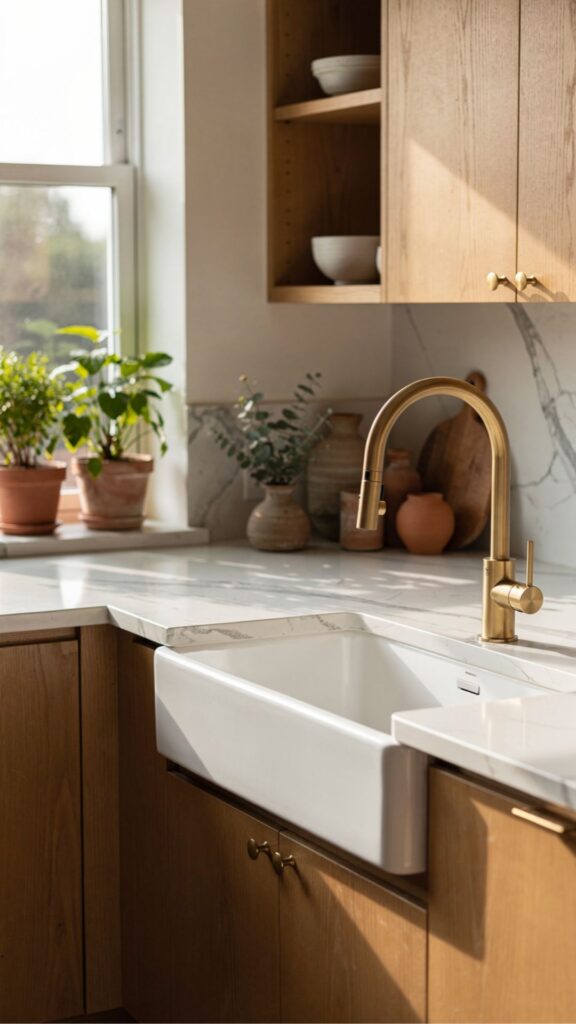
The faucet you choose for your apron sink is as important as the sink itself the two must work together aesthetically, functionally, and dimensionally. Apron sinks are deep and wide, which means a standard faucet with limited reach may not extend far enough over the basin, causing water to splash against the near edge.
A faucet with a high arc and a reach of at least 8–10 inches is generally recommended for farmhouse sinks to ensure comfortable, splash-free use. Bridge faucets are among the most aesthetically harmonious choices for apron front sinks. Their traditional two-handle, elevated horizontal connecting bar design echoes the classic farmhouse aesthetic perfectly.
Bridge faucets are available in a wide range of finishes oil-rubbed bronze, polished nickel, unlacquered brass, and matte black making it easy to coordinate with your sink material and overall kitchen hardware scheme. For a truly cohesive look, match your faucet finish to your cabinet hardware and lighting fixtures throughout the kitchen.
Pull-down or pull-out spray faucets offer practical advantages that are particularly valuable with a large apron sink basin. The extended spray head makes rinsing all corners of a deep, wide basin significantly easier and more efficient.
Many modern faucets designed specifically for farmhouse sinks combine a high-arc profile with a pull-down spray function offering both aesthetic elegance and practical versatility. When budgeting for an apron sink renovation, allocating at least 20–30% of the sink budget to a quality faucet is a ratio that experienced kitchen designers consistently recommend.
Apron Sink Maintenance Tips:
To Keep It Looking New
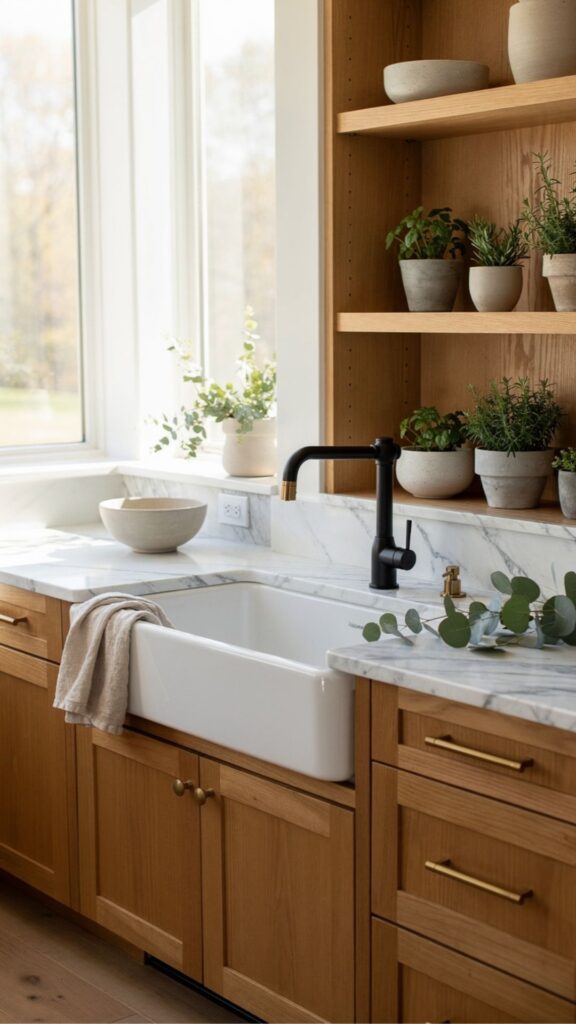
An apron sink is a significant investment, and understanding proper maintenance from day one is what determines whether it looks pristine for decades or begins showing wear within just a few years. The good news is that most apron sink materials fireclay, stainless steel, composite granite, and cast iron are inherently durable and respond well to simple, consistent care. The key is using the right cleaning methods for your specific material and avoiding common mistakes that accelerate surface degradation.
For fireclay and cast iron enamel sinks, the most important rule is to avoid abrasive cleaners, steel wool, and harsh chemical solvents. These damage the glaze surface, dulling its finish and making it more susceptible to staining. Mild dish soap and a soft sponge handle daily cleaning effectively. For stubborn stains, a paste of baking soda and water applied gently is both safe and highly effective.
Periodic treatment with a porcelain-safe cleaner keeps the surface looking polished and bright without any risk of surface damage. Stainless steel apron sinks require slightly different attention. Always clean in the direction of the grain not in circular motions to avoid creating micro-scratches that catch light and dull the finish over time.
A few drops of mineral oil buffed into the surface monthly creates a subtle protective layer that repels water spots and enhances the steel’s natural luster. For composite granite sinks, a dedicated composite cleaner used weekly maintains the deep matte finish and prevents mineral buildup that can make dark surfaces look chalky and tired.
Explore This: Two Tone Kitchen Cabinet Ideas That Make Your Apron Sink the Star of the Kitchen.
Apron Sink Cost Guide:
Budget to Luxury Options
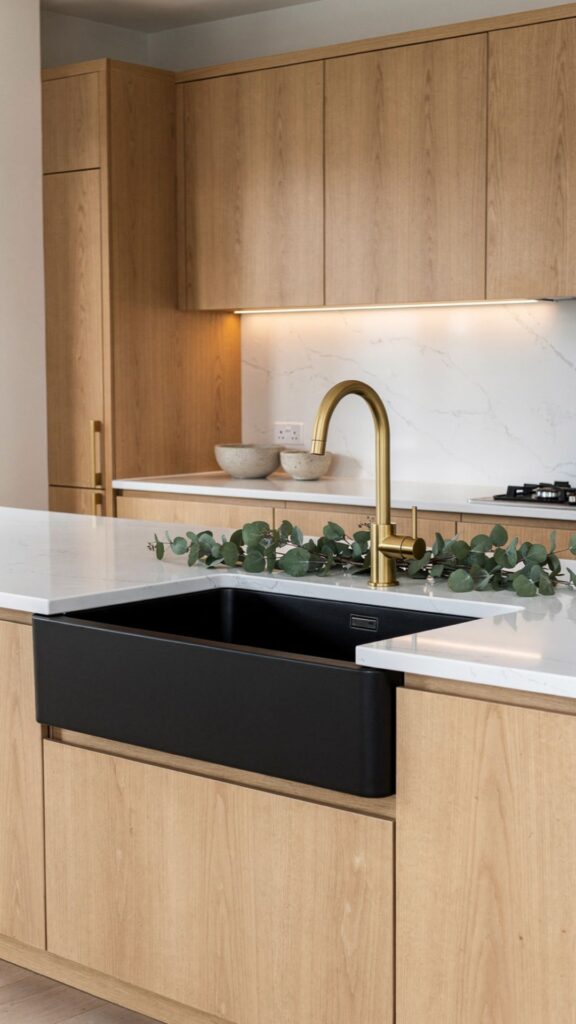
Understanding the true cost of an apron sink installation beyond the sink’s purchase price is essential for realistic budget planning. Entry-level apron sinks in stainless steel or composite materials start at approximately $300–$600 and offer solid performance for budget-conscious buyers.
Mid-range fireclay and cast iron models from reputable brands like Kohler, Rohl, and Kraus fall in the $700–$1,500 range and represent the sweet spot of quality, durability, and aesthetic appeal for most homeowners.
Luxury and artisan apron sinks particularly hand-hammered copper models, premium fireclay from European manufacturers, or custom-colored cast iron can range from $2,000 to $5,000 or more. At this price point, you’re paying for superior craftsmanship, exclusive finishes, longer warranties, and the genuine uniqueness of an artisan-made fixture.
For a kitchen renovation that is intended to be a long-term investment or a high-end home staging project, the premium is often justified by the disproportionate visual impact these sinks provide. Installation costs add a meaningful layer to the total budget. Professional installation of an apron sink including cabinet modification, plumbing reconfiguration, and countertop cutout typically costs $500–$1,500 depending on your region and the complexity of the project.
Combined with a dedicated farmhouse sink base cabinet ($400–$800) and a quality faucet ($200–$600), a complete apron sink installation can realistically range from $1,500 on the lower end to $8,000 or more for a fully premium setup. Planning for the total cost from the start avoids the frustrating experience of exceeding budget mid-renovation.
Conclusion
An apron sink is one of the most impactful single investments you can make in a kitchen renovation combining outstanding functionality, timeless style, and long-term durability in one statement fixture. Whether you choose classic white fireclay, bold matte black composite, or artisan copper, the right farmhouse sink elevates the entire kitchen and adds genuine value to your home.
Use the insights in this guide to choose the material, size, and style that fits your lifestyle then take the first step toward the kitchen you’ve always imagined.

Team TrandyVilla is the passionate home decor team behind Trandy Villa, where style meets comfort in everyday living. The team loves transforming simple spaces into beautiful, functional homes through smart ideas, budget-friendly hacks, and modern design trends. Their content focuses on helping readers create homes that feel both stylish and personal without spending too much.