
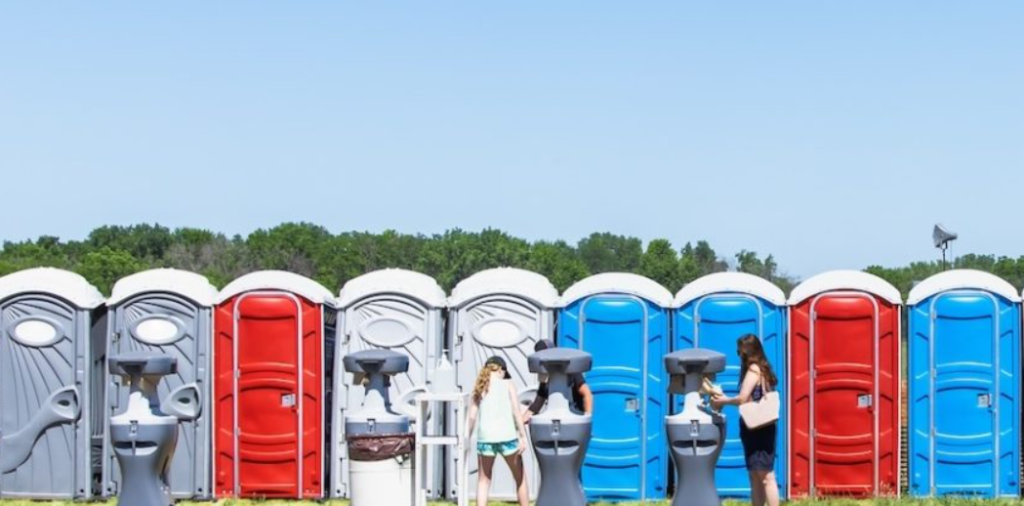
Outdoor concerts depend on more than the stage, sound system, lighting, performers, and ticketing. Guests also need clean, convenient restroom access throughout the event. When restroom rentals are planned poorly, lines get too long, service vehicles cannot reach units, high-traffic areas become crowded, and guests remember the inconvenience as much as the show.
For event organizers, portable restroom planning should be handled early in the event logistics process. Timing, placement, access, and servicing all affect how well the setup works once gates open. A good restroom plan supports the guest experience while keeping staff, vendors, security, and service providers able to move around the site.
Start With the Event Layout
Before scheduling restroom rentals, organizers should review the full outdoor concert layout. The plan should include the stage, audience areas, entrances, exits, food vendors, beverage stations, VIP sections, parking, staff zones, medical areas, security posts, backstage access, and service routes. Restrooms need to fit into that layout without creating bottlenecks.
The best locations are easy for guests to find but far enough from food service, main walkways, and crowded viewing areas to avoid congestion. Restrooms should not block emergency routes, vendor access, production vehicles, or backstage movement. If the concert grounds are large, a single restroom area may not be enough.
Placement should support the way people will actually move through the event.
Schedule Delivery Before the Site Gets Crowded
Outdoor concert sites become busy quickly during setup. Staging, fencing, tents, barricades, lighting, generators, vendor booths, tables, signage, and security checkpoints may all arrive before the event begins. If restroom delivery is scheduled too late, placement options may be limited.
Organizers should schedule delivery early enough that units can be placed before the site is fully built out. This gives the provider better access and reduces the chance of restrooms ending up in an awkward location. It also allows time to adjust placement if the first setup does not work as expected.
Working with Rent Porta Johns can help event organizers coordinate restroom rental delivery, placement, and servicing around the concert schedule and site access needs.
Match Restroom Capacity to Attendance
Attendance estimates should guide the restroom plan. A small local concert needs a different setup than a large festival-style event with food, drinks, long set times, and several hours of guest attendance. Organizers should consider expected crowd size, event duration, alcohol sales, family attendance, staff needs, and VIP areas.
Longer events usually require more restroom access than short performances. Events with beverage service also tend to increase restroom demand. Staff, performers, vendors, and security may need separate or conveniently located units so they do not have to leave their assigned areas.
Capacity planning helps reduce long lines and guest frustration.
Place Units Near High-Use Areas Without Creating Congestion
Restrooms should be convenient, but not placed directly in the busiest traffic choke points. If units are too close to the main entrance, food lines, beer tents, merchandise tables, or narrow walkways, restroom lines can interfere with the rest of the event.
A better approach is to place units near high-use zones but slightly off the main flow of foot traffic. Guests should be able to reach them easily without blocking people who are moving to the stage, vendors, or exits. Clear signs can help guests find restrooms without crowding the wrong areas.
Convenient placement should make the event easier to navigate, not harder.
Plan for ADA-Accessible Units
Accessible restroom planning should be included from the beginning. ADA-accessible units need enough space around them for safe approach, turning, and use. They should not be placed on steep slopes, soft ground, muddy areas, or locations blocked by cables, fencing, or crowd-control barriers.
Accessible restrooms should be located near accessible routes and viewing areas when possible. Organizers should also think about lighting, signage, and distance from parking or drop-off zones. If guests have to travel too far or cross uneven ground, the setup may not serve them well.
Accessibility should be built into the event layout, not added at the last minute.
Protect Service Access
Restrooms need to be serviced before, during, or after the event depending on size and duration. Service access is one of the most important planning details because a poorly placed unit may be easy for guests to use but difficult for the provider to reach.
Service trucks need a clear route that is not blocked by parked cars, vendor tents, barricades, crowds, equipment, or production vehicles. Organizers should identify that route before the site fills up. If the concert lasts all day or covers multiple performance blocks, servicing may need to happen at planned times when guest traffic is lower.
A restroom setup only works if it can be maintained.
Consider Ground Conditions
Outdoor concerts often use fields, parks, fairgrounds, parking lots, downtown streets, or temporary event spaces. Ground conditions can affect restroom placement. Soft grass, mud, slopes, gravel, uneven pavement, and low drainage areas can make units harder to use and service.
Units should be placed on stable, level ground whenever possible. Avoid low spots where water may collect after rain. If the event site has limited firm ground, organizers may need to choose restroom locations carefully or use ground protection near heavy foot traffic areas.
Weather can change the site quickly, so placement should account for conditions before and during the event.
Keep Restrooms Away From Food Prep and Performance Areas
Restrooms should be easy to find, but they should not sit too close to food prep areas, performer entrances, backstage zones, or the main stage. Placing them too close to dining or production areas can create odor concerns, traffic conflicts, and a less polished event experience.
Organizers should leave enough separation between restrooms and vendors while still keeping units visible and accessible. Backstage or staff restrooms may be placed separately from guest units so performers and crews can use them without crossing public areas.
Separation improves comfort and keeps event operations cleaner.
Use Clear Signage and Lighting
Even a well-placed restroom area can fail if guests cannot find it. Outdoor concerts often become crowded, loud, and dark. Clear signage helps guests locate restrooms without asking staff or wandering through restricted areas.
For evening concerts, lighting is especially important. The route to restrooms should be visible, and the restroom area should feel safe to approach. Lights should not interfere with stage production, but they should provide enough visibility for lines, entrances, handwashing stations, and accessible routes.
Good signage and lighting reduce confusion and improve guest flow.
Include Handwashing or Sanitizing Stations
Restroom planning should include hygiene access. Handwashing stations or hand sanitizer stations should be placed near restroom areas and sized for the expected crowd. If food and beverage service is part of the concert, hygiene stations become even more important for guest comfort.
Stations should be easy to see and not hidden behind the restroom units. They should also be checked during the event so supplies do not run out. Guests may judge the entire restroom setup by whether it feels stocked and maintained.
A clean event experience depends on more than the units themselves.
Schedule Final Service and Pickup Carefully
After the concert, the site may still be crowded with guests leaving, vendors packing up, security clearing areas, and crews breaking down equipment. Restroom pickup should be scheduled so it does not interfere with guest exit or critical teardown work.
In many cases, units should remain available until guests, staff, and vendors have largely cleared the site. After that, servicing and pickup can be coordinated with the cleanup schedule. Organizers should keep access routes open so the provider can remove units without waiting on parked vehicles or equipment.
The event is not over logistically until the site is restored.
Avoid Common Restroom Rental Mistakes
One common mistake is placing restrooms only where they are easiest to deliver, not where guests actually need them. Another is underestimating the effect of beverages, long event hours, or multiple crowd zones. Organizers should also avoid blocking service access with fencing, tents, vehicles, or vendor setups.
Poor lighting, weak signage, muddy placement, and too few hygiene stations can also hurt the guest experience. A better approach is to plan restrooms as part of the full event flow from setup through teardown.
Restroom rentals for outdoor concerts require careful planning around timing, access, placement, servicing, and guest flow. Event organizers need units delivered before the site gets crowded, placed where guests can find them, and maintained without disrupting the event.
By matching capacity to attendance, protecting service routes, considering ground conditions, adding accessible options, and coordinating final pickup with event teardown, organizers can create a cleaner and more comfortable concert experience. Good restroom planning may not be the headline of the event, but guests notice when it is done well.

Team TrandyVilla is the passionate home decor team behind Trandy Villa, where style meets comfort in everyday living. The team loves transforming simple spaces into beautiful, functional homes through smart ideas, budget-friendly hacks, and modern design trends. Their content focuses on helping readers create homes that feel both stylish and personal without spending too much.