
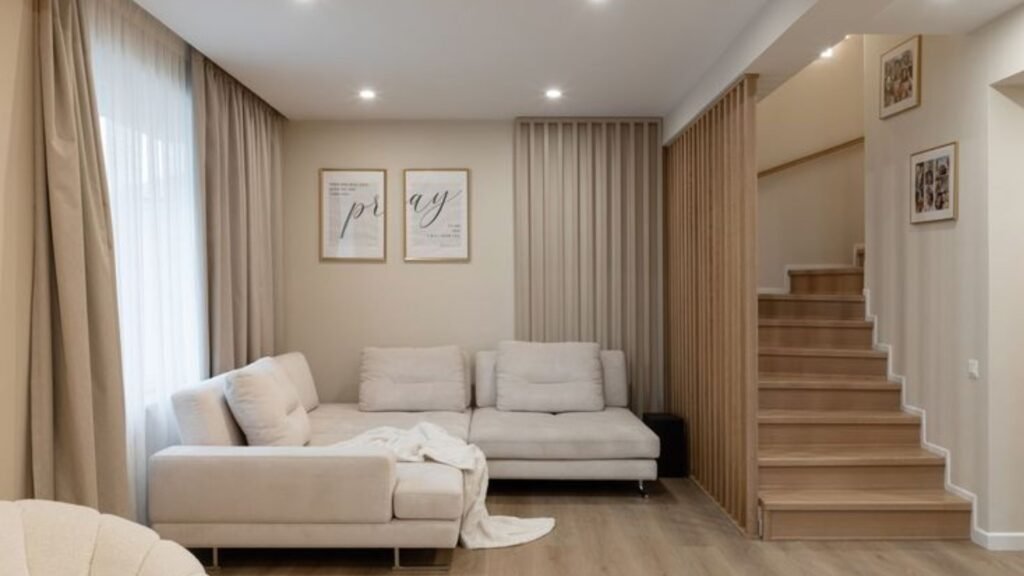
Wall Paneling adds texture, depth, and style to plain walls. It uses wood, MDF, PVC, or other materials to create decorative surfaces. Wall Paneling Ideas help improve beauty, protect walls, add character, and create a polished look in every room with simple design updates.
Wall Paneling creates stylish walls without major renovation. It adds texture, depth, and architectural charm to any room. This design feature suits modern and classic homes alike. Simple panels can transform ordinary walls into elegant focal points with lasting visual appeal and practical function.
Wall Paneling Ideas offer many options for different home styles and budgets. Shiplap, wainscoting, slat wood, beadboard, and geometric panels each create a unique look. Choosing the right design enhances comfort, adds value, and gives every space a clean, finished appearance.
Shiplap Paneling
For a Warm, Cottage-Style Look
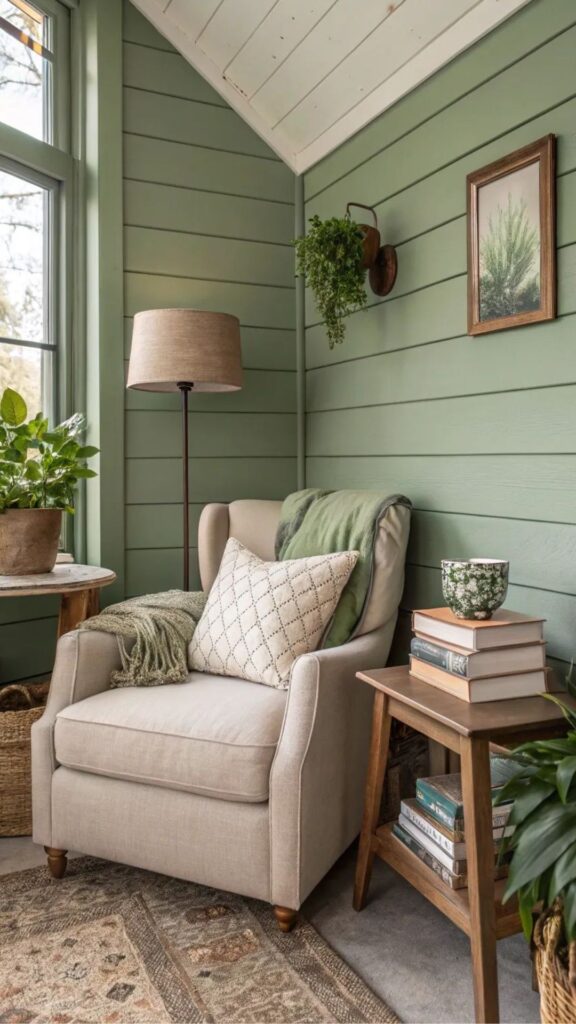
Shiplap has stayed popular long after its farmhouse-trend peak because it genuinely works in almost any room. The horizontal boards, typically with a slight gap or beveled edge, create a rhythm on the wall paneling ideas that feels casual yet intentional. It works especially well in living rooms, entryways, and bedrooms where you want warmth without heaviness. For example, a single shiplap accent wall behind a bed instantly becomes a natural focal point.
One thing many guides miss is that shiplap performs differently depending on paint finish. A matte white finish softens the room and hides minor imperfections, while a semi-gloss finish in a darker shade like charcoal or navy adds drama and reflects more light. If you’re in a humid climate, choose engineered wood or PVC shiplap instead of solid pine, since real wood can warp over time.
Installation is relatively beginner-friendly compared to other paneling types, making it a smart first project for DIY homeowners. Most boards click or nail into place directly over drywall, and a single wall can often be completed in a weekend. Budget-wise, shiplap remains one of the more affordable paneling options, typically costing less per square foot than raised panel or board-and-batten styles.
Board and Batten
For Timeless Architectural Structure
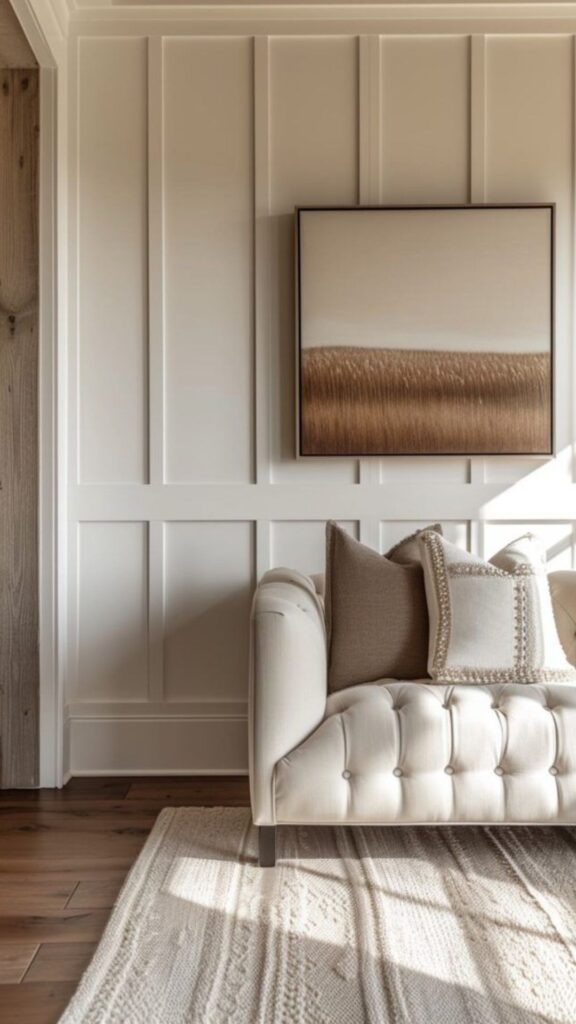
Board and batten paneling uses vertical strips (battens) placed over flat boards or directly on the wall, creating a grid-like, structured appearance. This style has deep roots in traditional and colonial architecture, but it has been reimagined for modern farmhouse, transitional, and even minimalist interiors. It’s particularly effective in dining rooms, hallways, and staircases where you want a sense of formality and height.
A detail often overlooked is spacing consistency. Uneven batten spacing is the most common DIY mistake, and it’s usually caused by not accounting for corner and outlet placement before installation. Professional installers typically plan the layout on paper first, adjusting spacing slightly so it looks intentional around windows, doors, and switches rather than cutting boards awkwardly at the edges.
Board and batten also offers a practical bonus: it protects lower walls from scuffs and furniture scratches, especially in high-traffic hallways. When painted the same color as the wall above, it creates subtle sophistication; when painted a contrasting color, it becomes a bold design statement. Either way, this style tends to increase perceived home value more than most other paneling options, according to real estate staging professionals.
Absolute Game Changer: Wall Panel Design Ideas That Take Your Wall Paneling to a Whole New Level
Wainscoting
For a Classic, Formal Finish
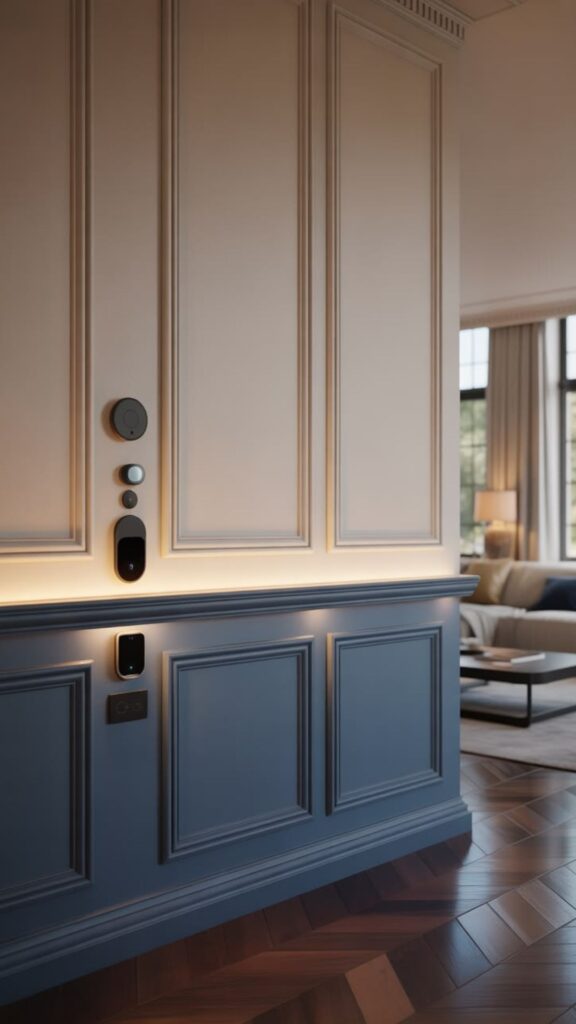
Wainscoting refers to paneling that covers the lower third or half of a wall, traditionally topped with a chair rail. It originated as a practical solution to protect walls from chair damage in dining rooms, and that functional history still shows in how well it holds up in high-use areas today. Classic raised-panel wainscoting suits formal dining rooms and studies, while flat-panel versions fit more contemporary spaces.
Height matters more than people realize. Standard wainscoting sits around 32 to 36 inches high, but ceiling height should guide this decision. In rooms with ceilings under 8 feet, taller wainscoting can actually make the space feel shorter, so a lower panel height paired with a higher chair rail often balances proportions better. This is a detail most generic guides skip entirely.
For a modern twist, some designers now extend wainscoting to two-thirds wall height, sometimes called “elevated wainscoting,” which reads as more current while keeping the classic silhouette. This works particularly well in powder rooms and entryways, where the added visual weight near eye level creates a memorable first impression without overwhelming the whole room.
Slat Wood Paneling
For a Modern, Textured Statement
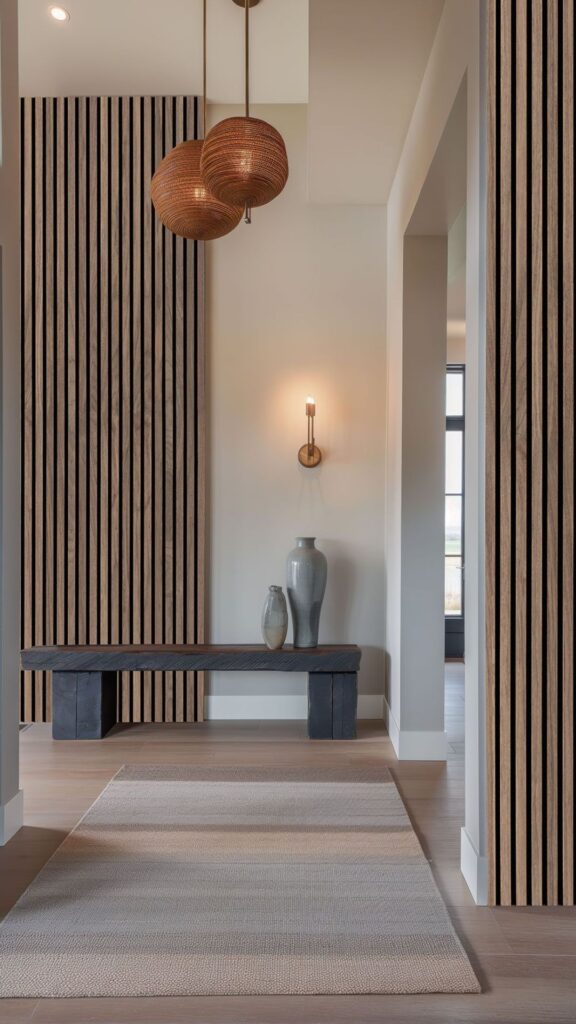
Slat wood paneling, made from evenly spaced vertical wood strips, has become one of the fastest-growing trends in modern interior design. It’s frequently used on accent walls, media console backdrops, and even ceilings to add rhythm and warmth through natural material texture. The repeating vertical lines create a sense of height, making it a smart choice for rooms with lower ceilings.
What sets high-quality slat paneling apart is the backing material and finish. Acoustic slat panels, which include a felt or foam backing, aren’t just decorative; they also absorb sound, making them genuinely useful in open-plan living rooms or home offices where echo is a problem. This dual function is something budget MDF versions can’t replicate, so it’s worth the investment if noise control matters to you.
Slat paneling also pairs naturally with smart lighting. Installing LED strip lighting behind or between slats creates a soft glow that enhances the wood grain at night, a technique increasingly used in boutique hotels and high-end residential projects. This small addition transforms a simple accent wall into a genuine design centerpiece without significant extra cost.
3D Textured Panels
For a Contemporary Focal Wall
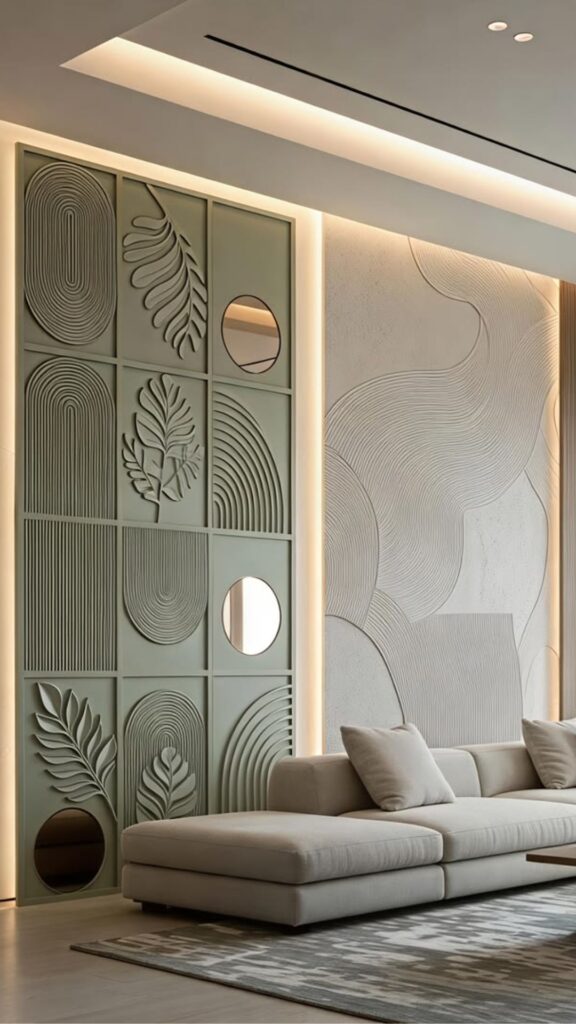
3D wall panels, made from materials like PVC, gypsum, or MDF, use geometric or organic patterns that cast shadows and shift appearance depending on the light. They’re a strong choice for feature walls in living rooms, bedrooms, or even commercial spaces like offices and restaurants, where a striking visual moment matters more than subtlety. Popular patterns include honeycomb, wave, and brick-inspired designs.
The biggest advantage of 3D panels is how they interact with lighting throughout the day. Natural light creates shifting shadows across the textured surface, meaning the wall genuinely looks different in the morning versus evening. This is a detail interior photographers specifically look for when staging homes, since it photographs well for listings and social media alike.
However, 3D panels demand restraint elsewhere in the room. Because the texture already provides strong visual interest, surrounding decor should stay simple, and other walls should remain plain or lightly colored. Overusing bold patterns across multiple walls tends to make a room feel busy rather than intentional, which is a mistake even experienced homeowners make when they fall in love with the material.
Reclaimed and Rustic Wood Paneling
For Sustainable Character
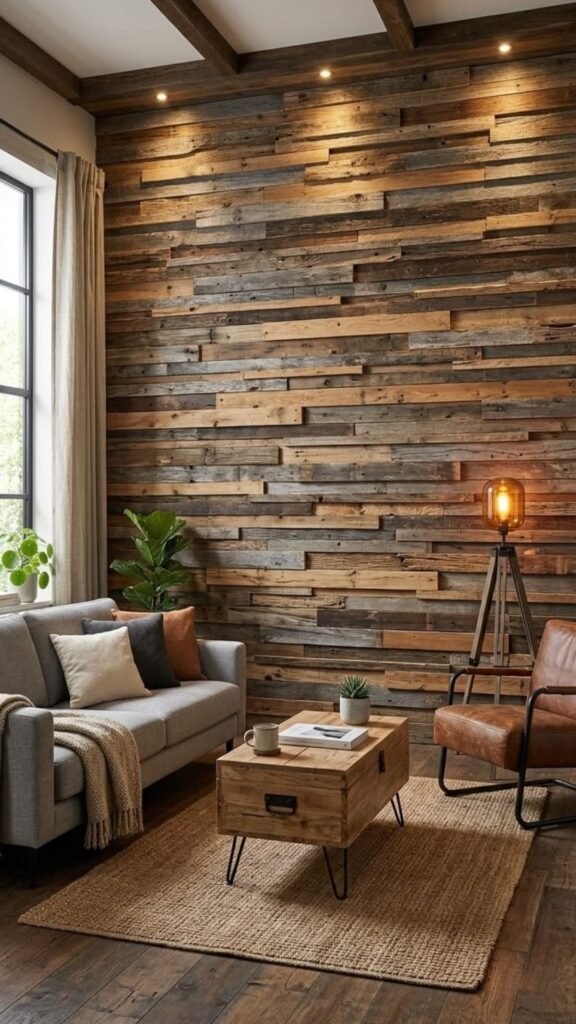
Reclaimed wood paneling uses salvaged timber from old barns, factories, or shipping materials, giving each board a unique history that’s impossible to replicate with new lumber. Beyond aesthetics, this option appeals to environmentally conscious homeowners since it reduces demand for newly harvested wood. The natural variation in grain, knots, and weathering gives a room authentic, lived-in character that manufactured panels can’t fully imitate.
Sourcing matters significantly here. Reputable reclaimed wood suppliers kiln-dry and treat boards to remove pests and stabilize moisture content before sale, which prevents future warping or infestation issues. Buying from unverified sources, such as random online marketplace listings, carries real risk, so it’s worth asking suppliers directly about their treatment process before purchasing.
This style works exceptionally well in basements, home bars, and reading nooks where a cozy, grounded atmosphere is the goal. For a modern update, some designers now mix reclaimed wood with black metal accents or industrial lighting, softening the rustic feel just enough to suit contemporary open-concept homes without losing its warmth.
Trust Me on This One: Staircase Wall Design Ideas That Pair Perfectly with Beautiful Wall Paneling
Beadboard Paneling
For Cottage and Coastal Charm
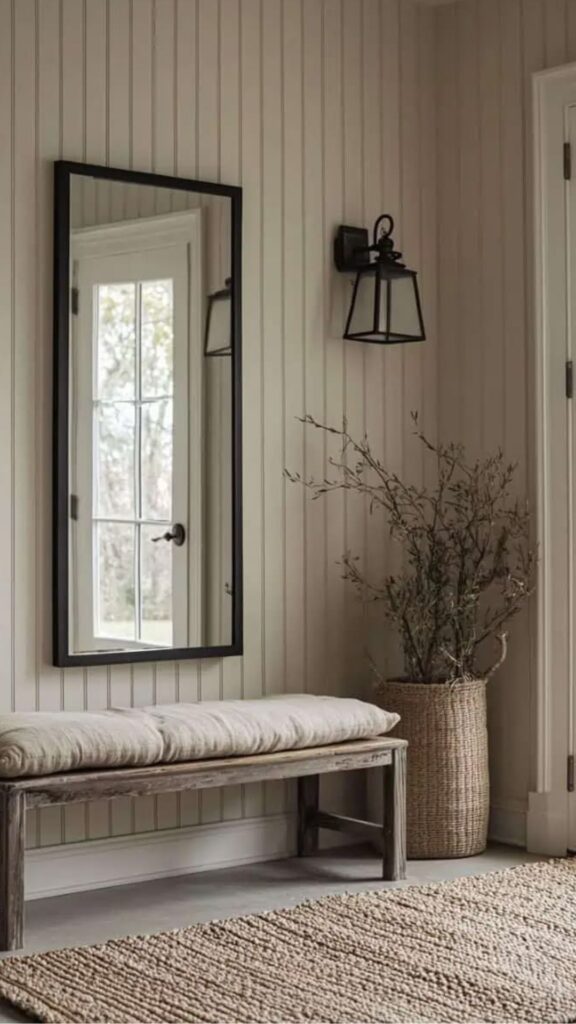
Beadboard consists of narrow vertical planks with a small groove, or “bead,” between each board, historically used in kitchens, bathrooms, and mudrooms because of its moisture resistance. It remains a go-to choice for coastal and cottage-style interiors, largely because it reads as clean and simple without feeling sterile. Installed as full wall coverage or half-wall wainscoting, it adapts easily to different room sizes.
A practical advantage worth highlighting is beadboard’s compatibility with humid environments. When installed with PVC or moisture-resistant MDF rather than solid wood, it holds up well in bathrooms and laundry rooms where humidity levels fluctuate daily. This makes it a more functional choice than some trendier paneling styles that aren’t built to handle moisture at all.
Color choice significantly shapes the mood beadboard creates. Crisp white beadboard leans classic and coastal, pale blue or sage green feels relaxed and cottage-inspired, and deeper tones like navy create unexpected sophistication in smaller powder rooms. Because the grooved texture catches light differently than flat walls, even a single coat of paint tends to look richer and more dimensional than on standard drywall.
Geometric Paneling
For a Bold, Modern Statement
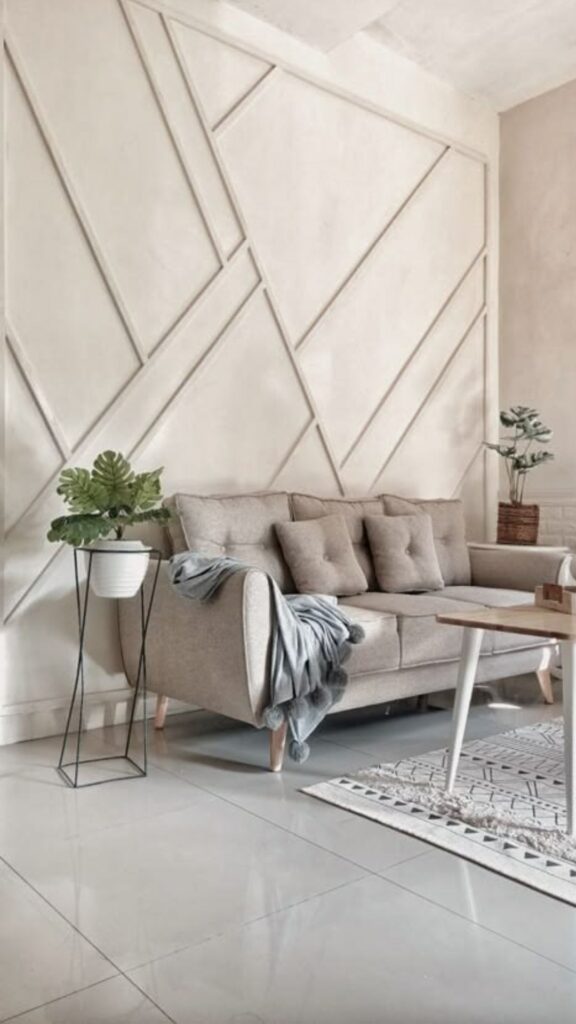
Geometric wall paneling ideas use angular shapes like triangles, chevrons, or diamond grids to create a sculptural, art-like effect directly on the wall. It’s become especially popular in home offices, media rooms, and statement bedroom walls where homeowners want something that feels custom-designed rather than store-bought. Unlike simpler paneling styles, geometric patterns often require more precise measuring and planning before installation begins.
What separates a successful geometric wall from a chaotic one is scale. Larger geometric shapes suit bigger rooms and feel intentional, while the same pattern shrunk down into a small space can feel cramped or overwhelming. A useful rule many professionals follow: the largest shape in the pattern shouldn’t exceed roughly one-third of the wall’s shortest dimension, keeping proportions balanced regardless of room size.
Paint color plays an outsized role in how geometric paneling reads visually. Painting the entire wall, panels included, in a single monochrome color emphasizes shadow and texture over pattern, creating a subtler, more sophisticated look. Painting alternating shapes in contrasting colors, on the other hand, creates a bolder, more graphic statement better suited to playrooms, creative studios, or accent walls in modern apartments.
Acoustic Panels
For Style That Also Solves a Problem
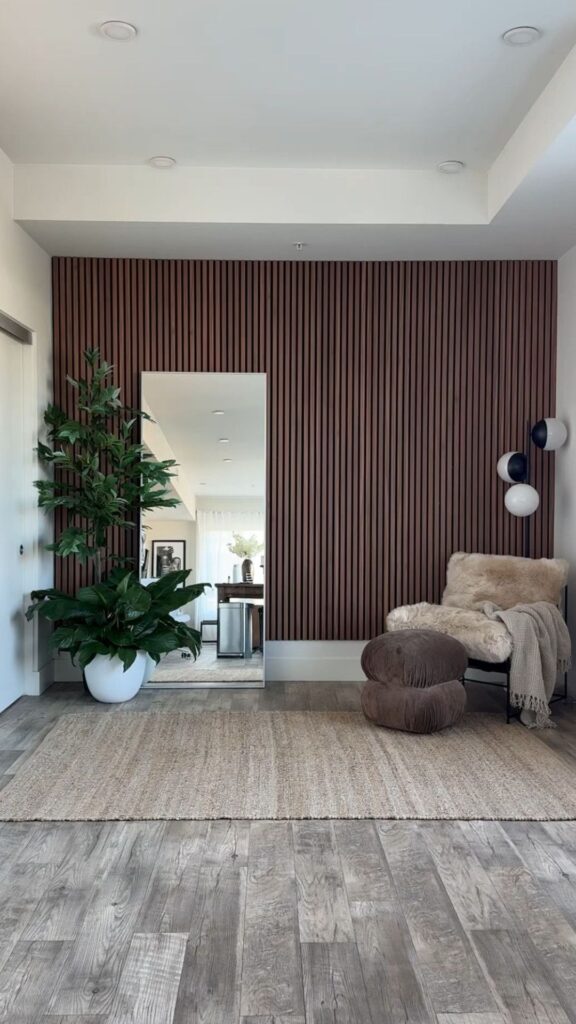
Acoustic wall panels blend design with function, using sound-absorbing materials like felt, fabric-wrapped foam, or perforated wood to reduce echo and improve room acoustics. They’ve become increasingly popular in home offices, media rooms, and open-concept apartments where hard surfaces like glass, tile, and hardwood floors cause sound to bounce and create noticeable echo during calls or movie nights.
This is where most paneling guides fall short: they treat acoustic panels purely as decoration when they’re actually a legitimate solution to a common home problem. If you’ve noticed that video calls sound “hollow” or that your living room feels loud even with the TV at a normal volume, sound reflection off bare walls is often the real cause, not the furniture or flooring you might blame instead.
Acoustic panels now come in far more attractive designs than the old gray foam squares associated with recording studios. Fabric-wrapped geometric panels, felt hexagons, and wood-slat acoustic hybrids all combine genuine sound absorption with a finished, designer look. For home offices specifically, installing acoustic panels behind your desk setup noticeably improves call audio quality, something remote workers increasingly prioritize.
Mixed-Material Paneling
For a Custom, High-End Look
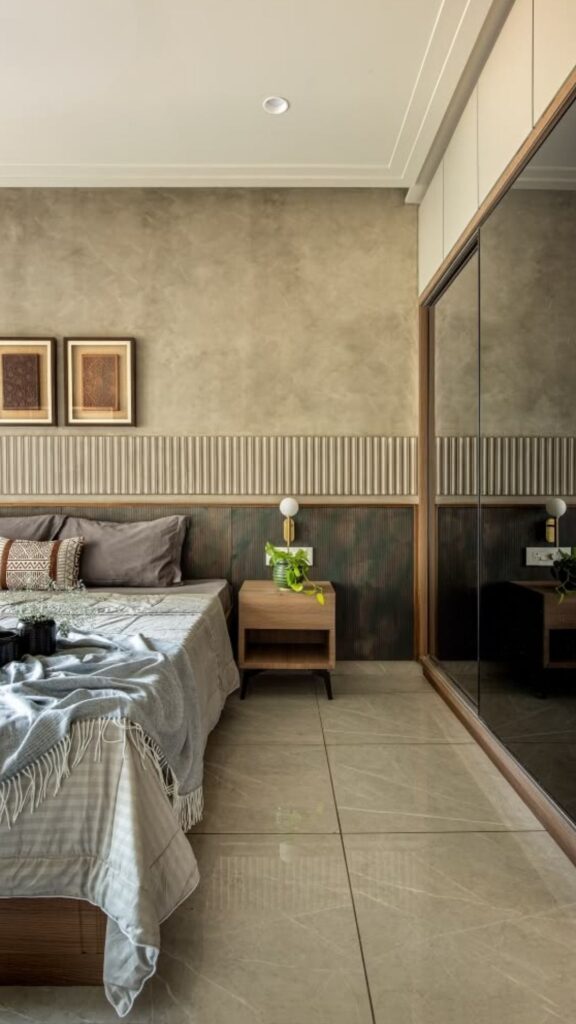
Mixed-material paneling combines two or more finishes, such as wood and stone, wood and metal, or matte and glossy panels, within the same wall design. This approach has grown in popularity among interior designers because it creates a genuinely custom, high-end appearance that’s difficult to achieve with a single material alone. It’s frequently seen in feature walls behind fireplaces, television consoles, and hotel-style headboards.
The key to executing this well lies in contrast without chaos. Successful mixed-material walls typically pair one dominant material, like wood slats covering seventy percent of the wall, with a secondary accent material, such as a stone or metal strip framing the fireplace or TV. Balancing textures this way avoids the visually cluttered look that happens when too many materials compete for attention.
Because this style is more complex, it also tends to be pricier and better suited to a professional installation rather than a weekend DIY project. However, the payoff is a wall that looks intentionally designed rather than assembled from a single product line, which is exactly the kind of detail that makes a home feel elevated during resale or professional photography.
Peel-and-Stick Paneling
For Renters and Budget Makeovers
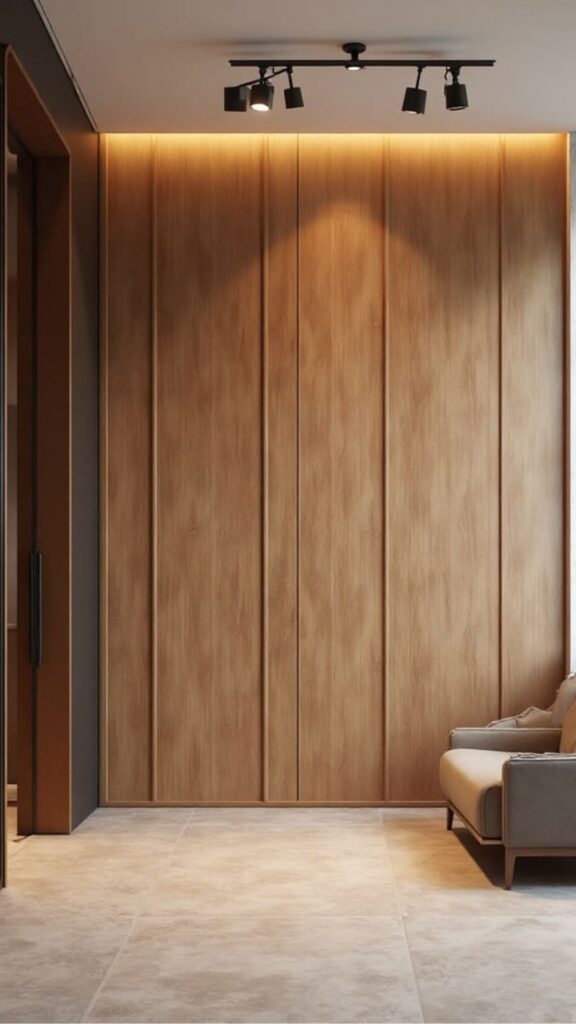
Peel-and-stick wall paneling has changed what’s possible for renters and budget-conscious homeowners who want texture without a permanent commitment. These panels, usually made from lightweight PVC or foam with a self-adhesive backing, mimic looks like shiplap, brick, or wood slats at a fraction of the cost and effort of traditional installation. No nails, no saws, and no drywall damage means a full accent wall can go up in an afternoon.
The quality gap between cheap and premium peel-and-stick options is bigger than most buyers expect. Thin, low-grade panels often show seams, yellow over time, or peel away in humid rooms, while thicker textured versions with UV-resistant coating hold color and adhesion far longer. Reading material specs before buying, rather than judging purely by product photos, saves a lot of disappointment down the line.
This option is particularly smart for rental apartments, temporary spaces, or anyone testing a paneling style before committing to a permanent version. Because it’s removable without damaging walls, it also works well for seasonal refreshes, like swapping a light wood tone in summer for a deeper charcoal panel in winter, something no other paneling type on this list can offer as easily.
A Must Bookmark: Entrance Foyer Wall Design Ideas That Show How Stunning Wall Paneling Makes a Bold First Impression
PVC and Waterproof Paneling
For Bathrooms and Kitchens
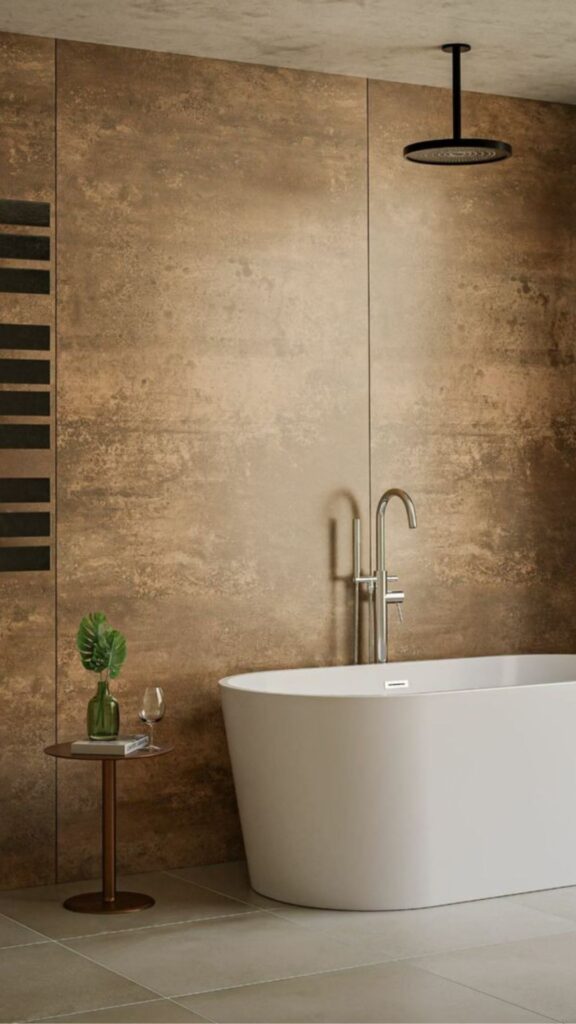
PVC wall paneling has become the practical go-to for rooms where moisture is a constant concern, particularly bathrooms, kitchens, and laundry areas. Unlike solid wood or MDF, PVC panels are fully waterproof rather than just water-resistant, meaning they won’t swell, rot, or grow mold even with direct splashing or steady humidity. This makes them a genuinely functional alternative to tile in budget renovations, not just a cosmetic stand-in.
One advantage rarely mentioned is installation speed compared to tiling. PVC panels click together using tongue-and-groove edges and can cover an entire shower wall in hours rather than the days tiling typically requires, with far less mess and no grout lines to scrub or reseal later. For homeowners renovating on a tight timeline, this alone can be the deciding factor over traditional tile.
Modern PVC panels have also shed their outdated, plasticky reputation. Newer product lines print realistic wood, marble, and concrete textures onto the waterproof surface, so the room reads as high-end while still being completely practical underneath. For kitchens specifically, installing PVC paneling as a backsplash offers the same durability benefits with far easier cleanup than grouted tile.
Final Thoughts
Choosing the right wall paneling ideas comes down to matching material, style, and function to your specific room and lifestyle. From budget-friendly shiplap to acoustic panels that solve real sound problems, each option offers a distinct way to add texture and character to your home. The best results come from picking one style, executing it thoughtfully, and letting it shine. Ready to upgrade your walls? Start with one accent wall and see the difference paneling makes.

Team TrandyVilla is the passionate home decor team behind Trandy Villa, where style meets comfort in everyday living. The team loves transforming simple spaces into beautiful, functional homes through smart ideas, budget-friendly hacks, and modern design trends. Their content focuses on helping readers create homes that feel both stylish and personal without spending too much.