
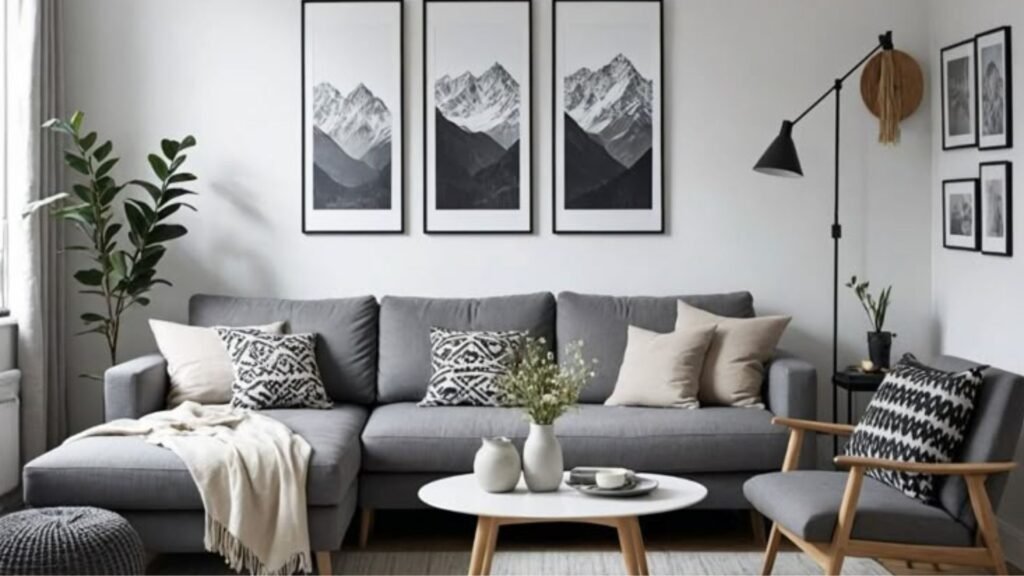
Grey Couch Living Room Ideas help create a stylish and balanced space with ease. A grey couch works with many colors, textures, and décor styles. These ideas focus on comfort, function, and timeless design. They also make it simple to refresh any living room without major changes.
Refresh your home with Grey Couch Living Room inspiration that blends comfort, style, and everyday function. A grey couch creates a timeless base for modern, classic, or cozy interiors. Smart color choices, layered textures, and simple accents make every space feel warm and inviting.
Grey Couch Living Room Ideas offer practical ways to improve both style and comfort. Warm wood, colorful pillows, soft rugs, and indoor plants add depth and character. Good lighting and balanced décor complete the look. Small updates create a beautiful living room that feels welcoming every day.
Pair Grey with Warm Wood Tones
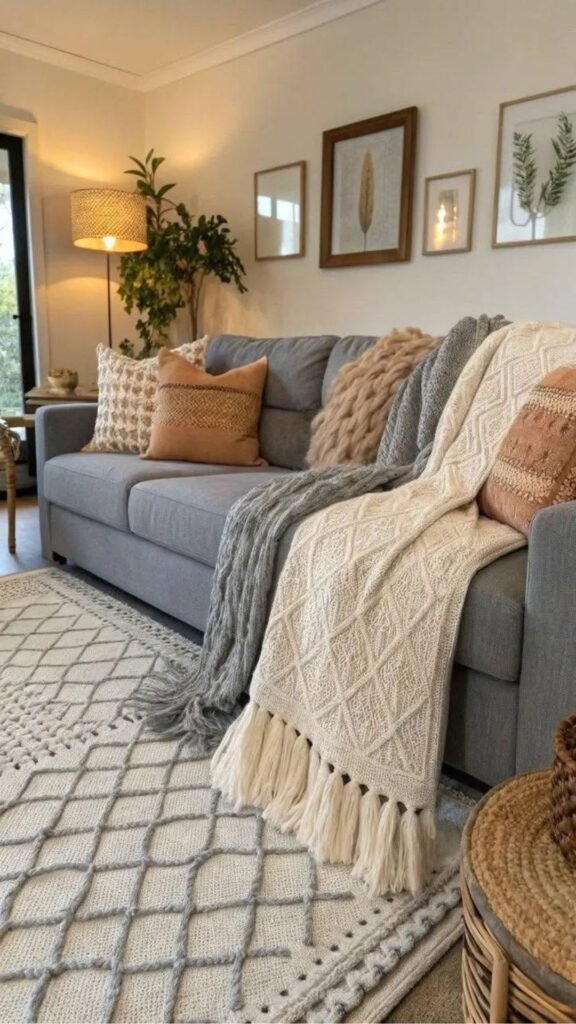
Grey sofas can sometimes feel flat when surrounded by cool-toned furniture. The fix is simple: introduce warm wood tones like walnut, oak, or teak through coffee tables, shelving units, or flooring. This contrast softens the coolness of grey upholstery and adds a layer of natural texture that photographs well and feels inviting in person. For example, a charcoal grey sofa next to a mid-century walnut coffee table instantly reads as curated rather than accidental.
Wood also brings a grounding effect that grey alone can’t achieve. Rooms with too much grey and metal risk feeling sterile, almost showroom-like. Adding a wooden console table behind the sofa or a set of oak side tables breaks that monotony immediately. Interior designers frequently use this pairing because wood undertones (whether reddish, golden, or honey-toned) act as a visual bridge between grey’s coolness and the room’s overall warmth.
If your budget is tight, you don’t need to replace furniture entirely. A single wood tray on the coffee table or a rattan basket beside the couch can achieve a similar balance. This is a detail most articles skip, but small wood accents matter as much as large furniture pieces. Even a wooden picture frame gallery above the sofa contributes to this balance without requiring a full room overhaul.
Use Bold Throw Pillows
For Contrast
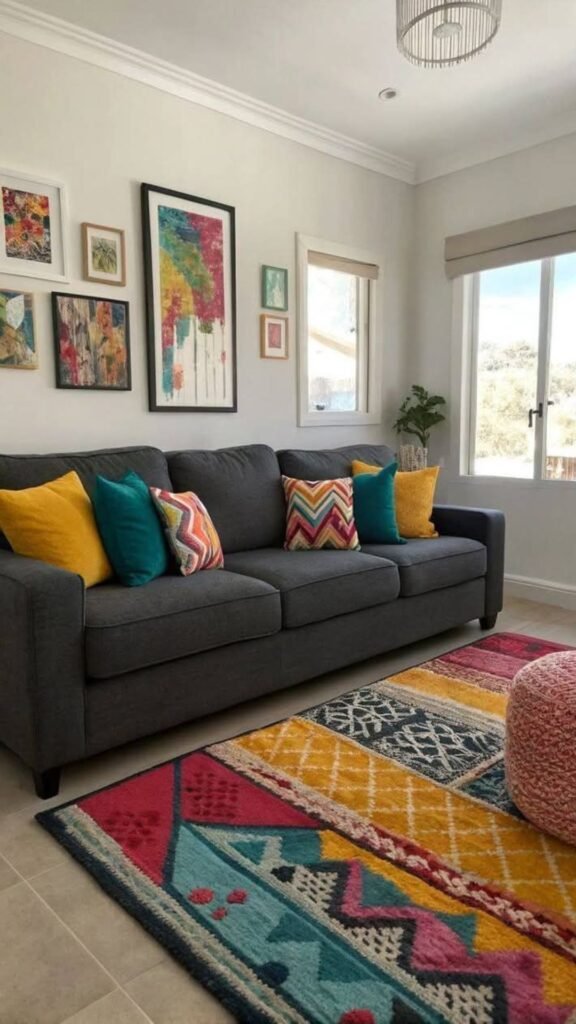
Grey couches are essentially a blank canvas, and throw pillows are the easiest way to inject personality without commitment. Bold jewel tones like emerald green, mustard yellow, or deep terracotta create striking contrast against both light and dark grey upholstery. Unlike repainting a wall or reupholstering furniture, pillows are affordable, swappable, and low-risk, making them ideal for renters or seasonal refreshes.
A common mistake is choosing pillows that are too similar in tone to the couch itself, which results in a flat, washed-out look. Instead, aim for at least one high-contrast color paired with one textured neutral, such as a cream boucle pillow. This combination creates visual depth without overwhelming the space. For instance, two mustard pillows paired with one textured ivory pillow on a dove-grey sofa creates balance rather than chaos.
Seasonal rotation is another underused strategy. Swapping pillow covers for warmer tones in autumn and cooler tones in spring keeps the living room feeling current without new furniture purchases. Many homeowners overlook this, yet it’s one of the most cost-effective ways to refresh a grey couch living room year-round while keeping the base palette consistent and timeless.
Worth Every Second: Blue Sofa Ideas That Inspire the Same Stunning Couch Style for Your Grey Living Room
Layer Different Shades of Grey
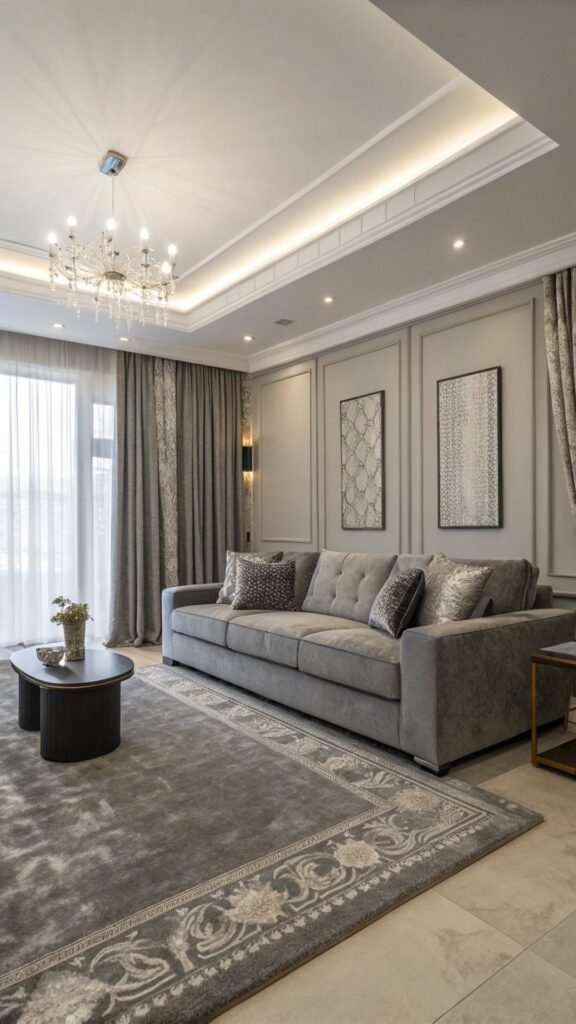
One overlooked technique is layering multiple shades of grey rather than treating grey as a single flat color. Combining a charcoal sofa with a light dove-grey area rug, or a silver-grey accent chair, creates tonal depth that feels sophisticated and intentional. This monochromatic layering technique is popular in high-end interior design because it avoids the visual boredom of a single uniform grey tone.
The key is variation in undertone, not just lightness. Some greys lean cool with blue undertones, while others lean warm with beige or taupe undertones. Mixing a cool-toned couch with a warm-toned rug, for example, can clash subtly and make the room feel “off” without an obvious reason. Testing fabric swatches together in natural daylight before purchasing helps avoid this common styling mistake.
To keep layered grey from feeling monotonous, always break it up with one non-grey element, such as a black metal lamp or a patterned rug. This prevents the room from feeling like a single flat block of color. Think of grey layering as building a foundation, while accent pieces are what give the room its final character and visual interest.
Add Greenery for a Natural Touch
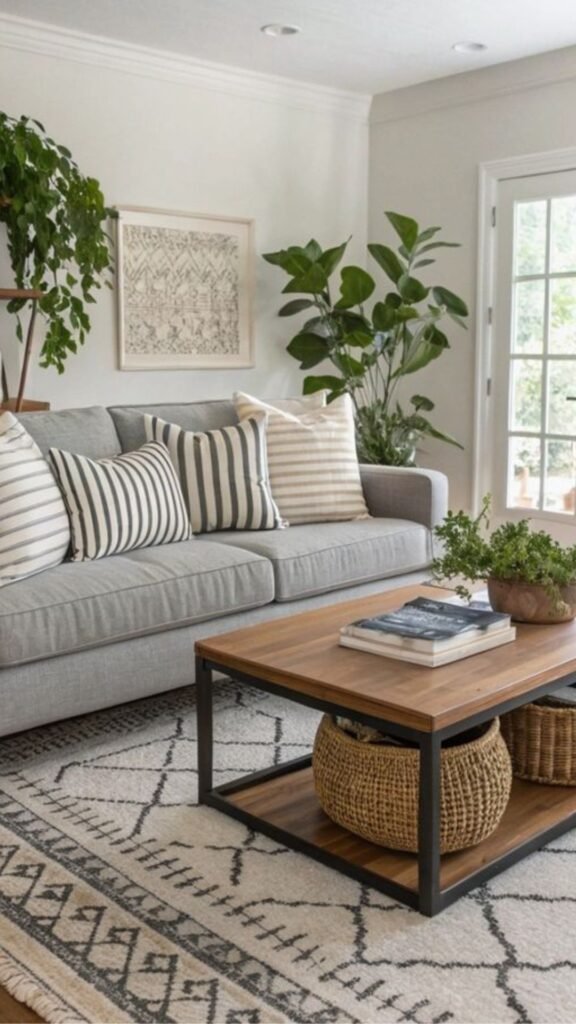
Plants are one of the fastest ways to make a grey couch living room feel alive rather than sterile. Grey, being a neutral and slightly cool-toned color, benefits enormously from the organic green of live plants. A large fiddle leaf fig beside the sofa or a trailing pothos on a bookshelf introduces color, texture, and even improved air quality, which is a functional benefit most design articles fail to mention.
Beyond aesthetics, plants soften hard lines in modern furniture layouts. A grey sectional with sharp, clean edges can feel angular and cold; a leafy plant in the corner rounds out the visual composition. For smaller living rooms, opting for tall, narrow plants like a snake plant maximizes greenery without consuming valuable floor space, which matters in apartments or compact layouts.
If you’re not confident with plant care, faux greenery has improved significantly in realism and is a practical alternative, especially for low-light rooms. However, real plants offer psychological benefits tied to biophilic design, a growing trend backed by research showing that natural elements in interiors reduce stress and improve mood. This makes greenery not just decorative, but genuinely beneficial to daily life in the room.
Incorporate Patterned Rugs
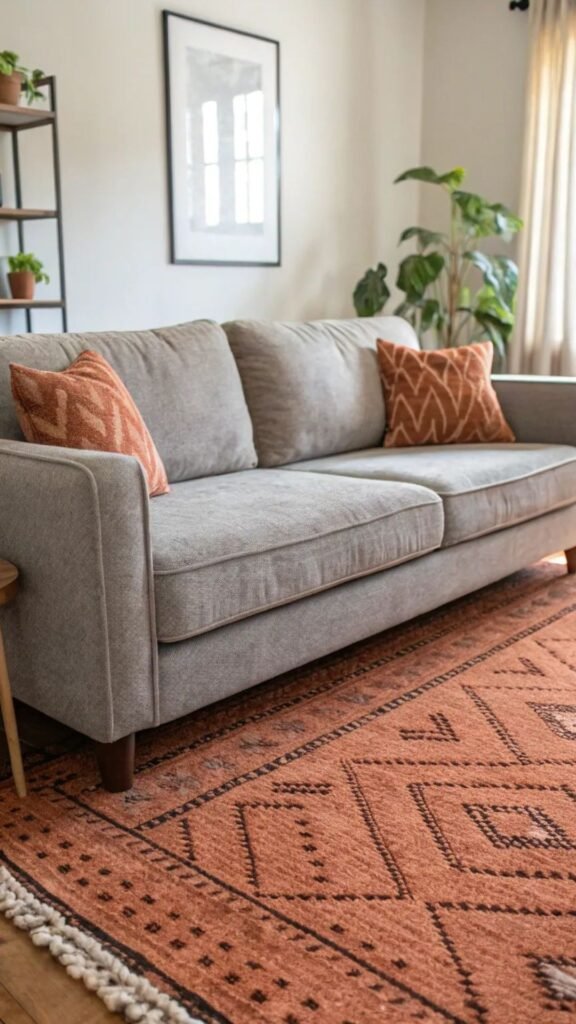
A patterned rug anchors a grey couch and prevents the room from feeling flat or under-styled. Because grey is neutral, it pairs well with almost any rug pattern, from geometric Moroccan designs to soft floral motifs. The rug should ideally pick up at least one accent color already present in the room, such as pillows or artwork, to create cohesion rather than visual competition.
Size matters just as much as pattern. A common styling error is choosing a rug that’s too small, which makes the seating area look disconnected and awkward. As a general rule, at least the front legs of your grey sofa should rest on the rug to visually tie the furniture grouping together. This detail is frequently overlooked but has a significant impact on how “finished” a room appears.
For high-traffic households with kids or pets, patterned rugs also offer a practical advantage: they hide stains and wear far better than solid-colored options. This dual benefit of style and function is worth highlighting, since durability is a real concern many homeowners weigh alongside aesthetics when choosing rugs for a busy living room.
This One Hits Different: Green Sofa Ideas That Create a Beautiful Color Contrast with Your Grey Couch
Choose the Right Wall Color
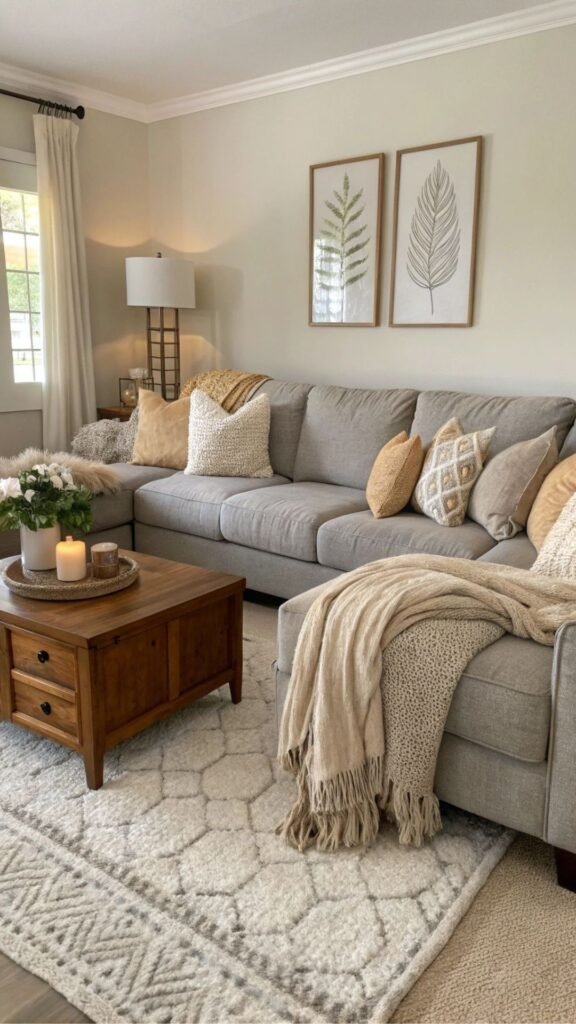
The wall color behind your grey couch dramatically affects how the sofa reads visually. Warm white or soft greige walls make grey furniture feel cozy and approachable, while stark white walls can make the same sofa feel cold and showroom-like. For a moody, sophisticated look, deep navy or forest green walls create striking contrast against lighter grey upholstery, a combination increasingly popular in 2025 and 2026 interior trends.
Undertone matching is critical here. If your grey couch has cool blue undertones, pairing it with warm beige walls can create a subtle clash that’s hard to identify but easy to feel. Testing paint swatches directly against your sofa fabric in both natural and artificial lighting prevents this mismatch before you commit to a full repaint, saving both time and money.
For renters unable to repaint, large-scale removable wallpaper or a statement gallery wall can achieve a similar visual effect without permanent changes. This is a practical workaround many articles overlook, yet it’s increasingly relevant as more people rent long-term and still want a personalized, well-designed living room around their grey couch.
Mix Textures for Depth
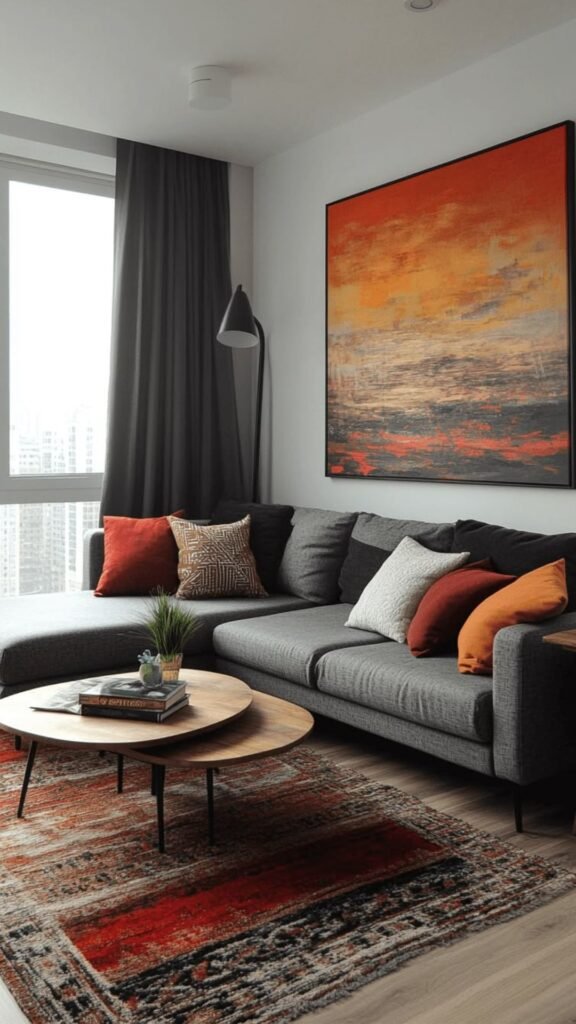
Texture is arguably more important than color when styling a grey couch, yet it’s the most underutilized design tool. Combining a smooth linen sofa with a chunky knit throw, a woven jute rug, and a sleek glass coffee table creates layered depth that keeps the eye engaged. Without this variation, an all-grey room can feel flat, regardless of how well-coordinated the colors are.
A practical approach is the “rule of three textures”: pick at least three distinct textures per seating area, such as boucle, wood, and metal. For example, a boucle grey armchair beside a leather grey sofa, finished with a woven rattan side table, creates contrast through material rather than color alone. This technique is a favorite among professional stagers because it photographs beautifully and feels layered in person.
Textural mixing also has a practical seasonal benefit. Heavier textures like velvet and wool feel more appropriate in winter, while lighter linen and cotton suit warmer months. Swapping throw blankets and cushion covers based on texture, rather than just color, is a subtle styling trick that keeps a grey living room feeling seasonally appropriate without major changes.
Add Metallic Accents
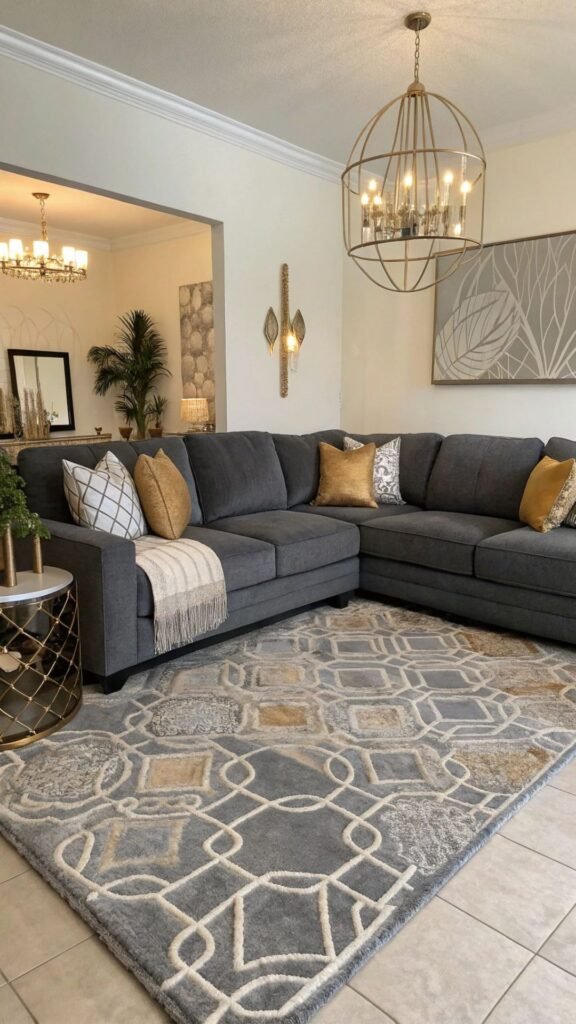
Metallic finishes like brass, gold, or matte black add a refined edge to a grey couch living room. Grey’s neutrality makes it an excellent backdrop for metallics to stand out without competing for attention. A brass floor lamp or gold-framed mirror introduces warmth and a touch of glamour, particularly effective in rooms that otherwise feel too muted or understated.
Consistency in metal finish across the room creates a more polished, cohesive look. Mixing brushed brass door handles with black light fixtures and silver picture frames can feel disjointed if not done intentionally. Choosing one dominant metal finish, then using a second as a subtle accent, is a professional styling trick that keeps the space feeling curated rather than randomly assembled.
Smaller metallic details matter too, and this is where many homeowners underspend their effort. A metallic-rimmed vase, a set of brass coasters, or even metallic thread woven into throw pillows can achieve the same elevating effect as larger furniture pieces, at a fraction of the cost. These small touches often make the biggest visible difference relative to their price.
Try a Two-Tone Sofa Setup
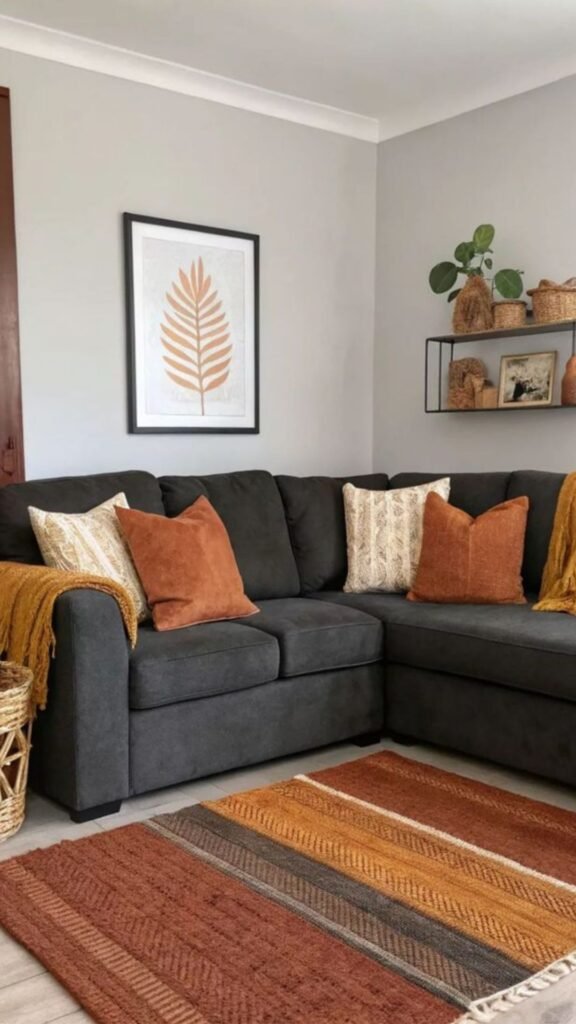
Instead of committing to a single large grey sofa, consider a two-tone setup: a grey sectional paired with a contrasting accent chair in mustard, blush, or navy. This approach adds visual interest and breaks the monotony that can occur with an all-grey seating arrangement, especially in larger living rooms where a single sofa can look isolated or underwhelming.
Two-tone setups also offer functional flexibility. In multi-use living rooms, a grey sofa can serve as the neutral base for daily lounging, while a bold accent chair provides a designated reading nook or conversation spot. This zoning technique is particularly useful in open-concept homes, where furniture arrangement helps define separate functional areas without the need for physical walls or dividers.
When selecting the contrasting piece, consider proportion carefully. An oversized accent chair next to a compact grey loveseat can feel unbalanced. As a general guideline, the accent piece should occupy roughly a third of the visual weight of the main sofa. This balance keeps the two-tone look intentional rather than mismatched or afterthought-like in its execution.
Grab This Now: Small Living Room Ideas That Prove a Grey Couch Can Make Any Space Look Chic
Use Statement Lighting
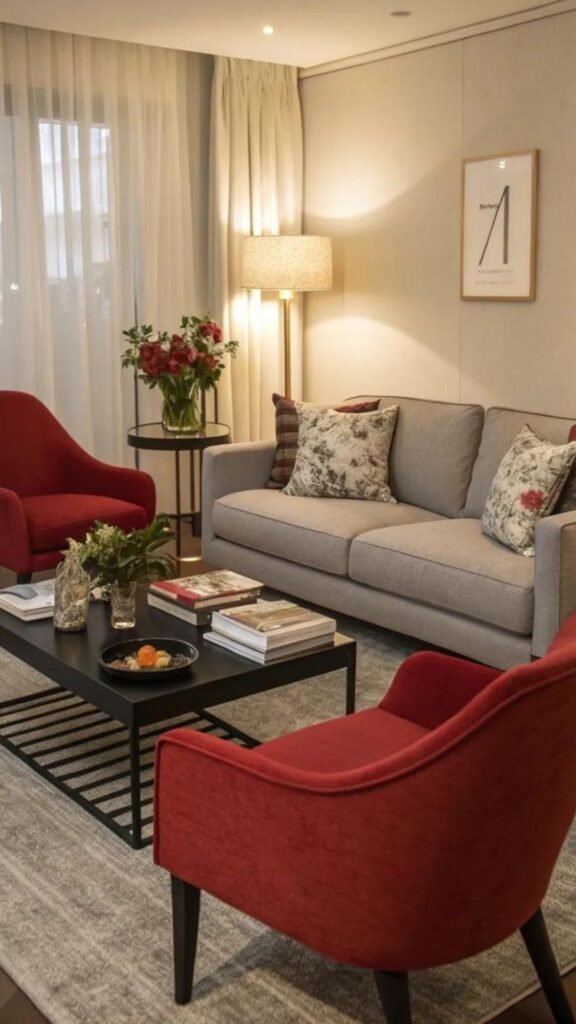
Lighting fixtures play a bigger role in a grey couch living room than most people realize. Because grey is a neutral, slightly muted color, it can absorb light rather than reflect it, making the room feel dim if lighting isn’t planned properly. A statement pendant light or an oversized arc floor lamp not only illuminates the space but also acts as a sculptural focal point above or beside the sofa.
Layered lighting is the professional standard: combining ambient (overhead), task (reading lamps), and accent (wall sconces or LED strips) lighting creates dimension and warmth. A single overhead light alone often flattens the room and makes a grey sofa look duller than it actually is. Adding a warm-toned floor lamp beside the couch, for instance, can visibly shift the fabric’s perceived warmth in the evening.
Color temperature matters as much as fixture style. Warm white bulbs, around 2700K to 3000K, complement grey upholstery far better than cool white or daylight bulbs, which can make grey read as blue or lifeless. This is a technical detail rarely explained in styling guides, yet it directly affects how inviting your living room feels once the sun goes down.
Balance with Black Accents
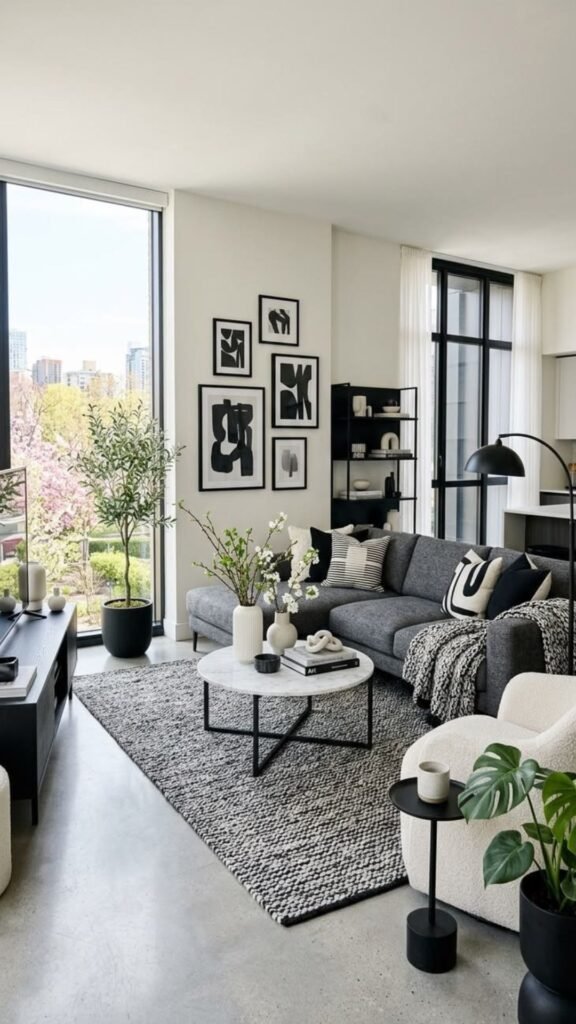
Black accents provide crisp definition against a grey couch, preventing the room from feeling washed out or overly soft. A black-framed piece of art, matte black coffee table legs, or a black metal shelving unit introduces contrast that sharpens the entire visual composition. This pairing is especially effective in modern or industrial-style living rooms where clean lines and defined edges are the goal.
The key to using black successfully is restraint. Too much black against grey can feel heavy or cave-like, particularly in smaller or dimly lit rooms. A useful guideline is the “10 percent rule”: black accents should make up roughly one-tenth of the room’s visual elements, concentrated in a few strong pieces rather than scattered evenly throughout the space.
Black and grey pairings also age exceptionally well compared to trend-driven color combinations. Because both are neutrals, this combination remains stylish for years without feeling dated, making it a smart long-term investment for homeowners who don’t want to redecorate frequently. It’s a detail-focused choice that prioritizes longevity over fleeting trends.
Incorporate a Gallery Wall
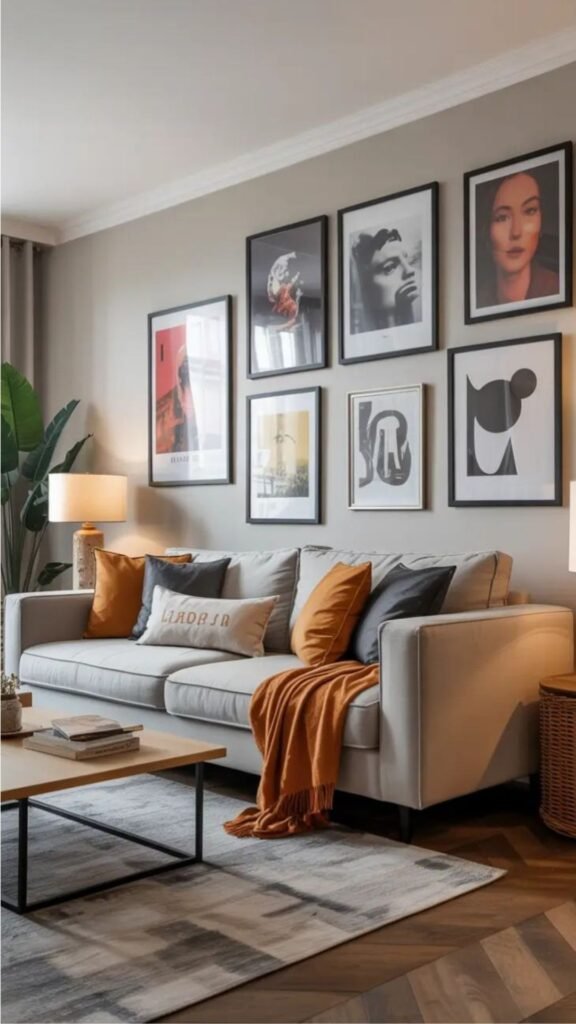
A gallery wall above or beside a grey couch transforms an empty wall into a personal, curated focal point. Because grey is such a versatile background color, it complements nearly any frame style or artwork palette, from black-and-white photography to colorful abstract prints. This makes gallery walls one of the most flexible ways to add character to a grey couch living room.
Spacing and alignment matter more than people expect. A common mistake is hanging frames too high or too spaced out, which disrupts the visual connection to the sofa below. As a rule of thumb, the bottom of the gallery wall should sit about 6 to 8 inches above the sofa back, keeping the eye naturally drawn from the seating area up to the art.
For a more dynamic result, mix frame sizes and orientations rather than using uniform frames throughout. Combining a large statement print with several smaller frames creates rhythm and prevents the wall from feeling like a rigid grid. This layered approach mirrors how professional stylists design gallery walls in showhomes, adding depth without requiring an interior design background.
Final Thoughts
A grey couch is a timeless foundation for any living room, but the right styling choices make all the difference. From warm wood accents to bold pillows, layered textures, and thoughtful lighting, these 12 grey couch living room ideas offer practical ways to create a space that feels both stylish and comfortable. The key takeaway is balance: pair grey’s neutrality with warmth, texture, and personality.
Start with one or two ideas from this guide, and watch your living room transform into a space you genuinely love spending time in.

Team TrandyVilla is the passionate home decor team behind Trandy Villa, where style meets comfort in everyday living. The team loves transforming simple spaces into beautiful, functional homes through smart ideas, budget-friendly hacks, and modern design trends. Their content focuses on helping readers create homes that feel both stylish and personal without spending too much.