
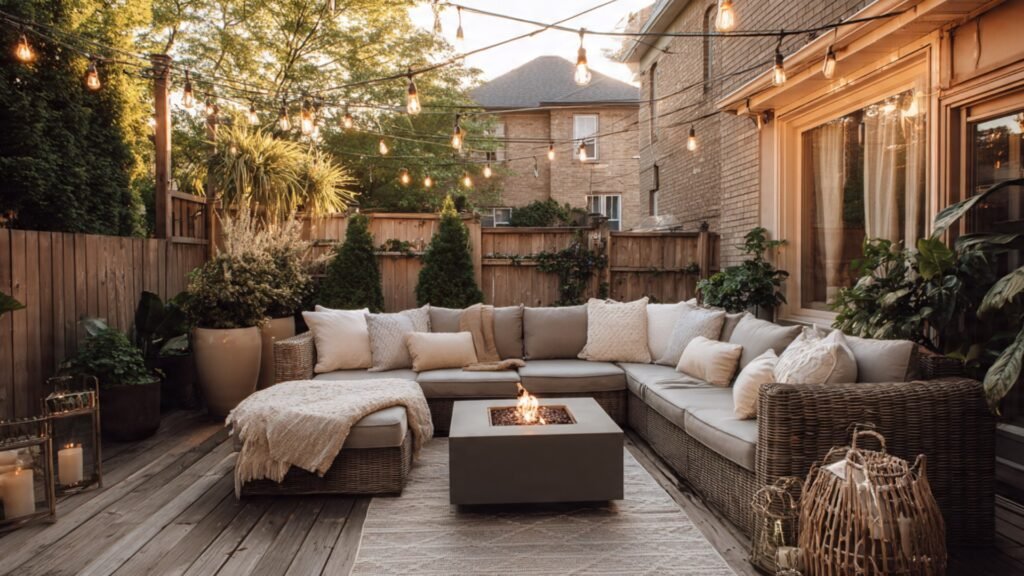
Your back patio ideas is one of the most valuable and versatile spaces in your home yet most homeowners never fully unlock its potential. A well-designed patio extends your living space outdoors, adds real estate value, and creates a private retreat for relaxing, dining, and entertaining. Whether you have a sprawling backyard or a compact urban space, the right back patio ideas can turn an overlooked slab of concrete or bare grass into something truly beautiful.
Back patio ideas turn an empty outdoor space into a functional, beautiful extension of your home. They cover furniture layout, shade solutions, lighting, greenery, and surface design. The core motives are clear: create comfort, define purpose, add privacy, and build a space where daily life and entertaining feel effortless and enjoyable outdoors.
Your back patio ideas holds more potential than you realize and the right back patio ideas can unlock it completely. Most homeowners leave their outdoor space underdesigned and underused. A few intentional upgrades change everything. This guide delivers 16 expert-backed ideas to help you design a patio that looks beautiful, functions brilliantly, and adds lasting value to your home.
Back patio ideas decor ideas cover a wide range of practical and stylish updates. String lights and layered lighting create warm evening ambiance instantly. Pergolas and shade structures define the space and extend usability. Outdoor rugs anchor furniture groupings and add color. Fire pits draw people together and extend the season. Container gardens and vertical planters bring life, texture, and natural beauty to every corner of the patio.
Create a Defined Outdoor Living Room:
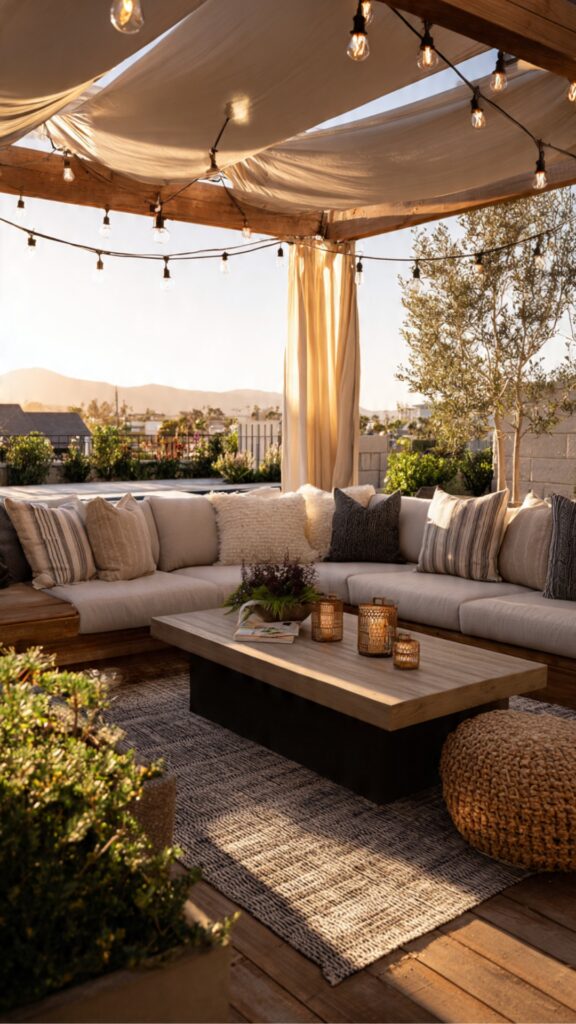
The most transformative back patio ideas is treating your outdoor space exactly like an indoor room with defined zones, intentional furniture, and layered decor. An outdoor living room creates a sense of purpose and comfort that a simple table-and-chair arrangement simply cannot achieve.
Start by anchoring the space with an outdoor area rug to visually define the “room.” Then build outward with a sofa, chairs, and a low coffee table in weather-resistant materials.
Outdoor furniture has come a long way in quality and design. In 2026, the best options for a back patio ideas living room include powder-coated aluminum frames with all-weather cushions in Sunbrella fabric, teak furniture with UV-resistant oil finishes, and recycled HDPE lumber that looks like wood but requires virtually no maintenance.
These materials withstand heat, rain, and UV exposure without fading, warping, or degrading a critical consideration that many buyers overlook when furnishing their patio. The arrangement of your outdoor furniture matters as much as the pieces themselves.
Position seating to face a focal point a fire pit, a view, a garden wall, or a water feature. Angling chairs slightly toward each other encourages conversation and creates a more intimate, welcoming atmosphere. Interior designers call this “conversation grouping,” and it works just as effectively outdoors as it does inside your home.
For smaller patios, scale is everything. Choose furniture proportional to your space a loveseat instead of a full sofa, armchairs instead of sectionals, and a round table instead of a rectangular one. Round tables are particularly effective on compact back patio ideas because they allow easier movement around them and feel less space-dominant than rectangular alternatives. Add throw pillows, a side table with a lantern, and a potted plant cluster to complete the outdoor room feel.
Install a Pergola or Shade Structure:
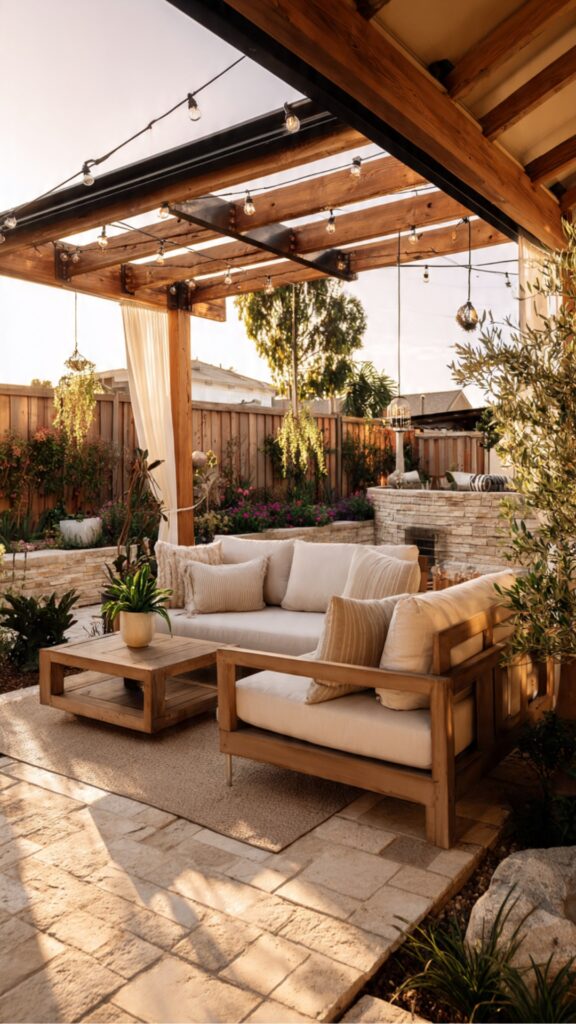
A pergola is one of the single highest-impact investments you can make for your back patio ideas. It defines the space architecturally, provides partial shade, creates a framework for climbing plants or string lights, and dramatically increases the visual appeal and perceived value of your outdoor area. Unlike a full roof enclosure, a pergola maintains the open-air quality of outdoor living while still offering structure and a sense of shelter.
Modern pergola options range from traditional wood (cedar and redwood are popular for their natural resistance to rot and insects) to aluminum and vinyl structures that require minimal maintenance. The emerging trend in 2026 is the louvered pergola a motorized structure with adjustable roof slats that open for sun and close for shade or rain protection.
These smart shade systems can be controlled by a phone app or remote and represent a genuine upgrade in outdoor living technology that’s becoming increasingly affordable. Climbing plants are one of the most beautiful ways to enhance a pergola. Wisteria, jasmine, climbing roses, and trumpet vine all grow quickly and create a lush, romantic canopy that softens the structure and connects it visually to the surrounding garden.
For edible options, grapevines and kiwi plants climb beautifully across pergola beams and can eventually produce fruit a functional bonus that makes your patio truly multi-purpose. If a full pergola isn’t in the budget, a sail shade or a large outdoor umbrella achieves a similar effect at a fraction of the cost.
Architectural shade sails in geometric shapes triangles, rectangles, and squares can be layered and arranged creatively to create a striking overhead element that defines your patio while filtering harsh sunlight. These are particularly popular in contemporary and minimalist outdoor design styles.
See It Here : Garden Lighting Ideas That Transform Your Back Patio into a Magical Evening Space.
Build or Install a Fire Pit Area:
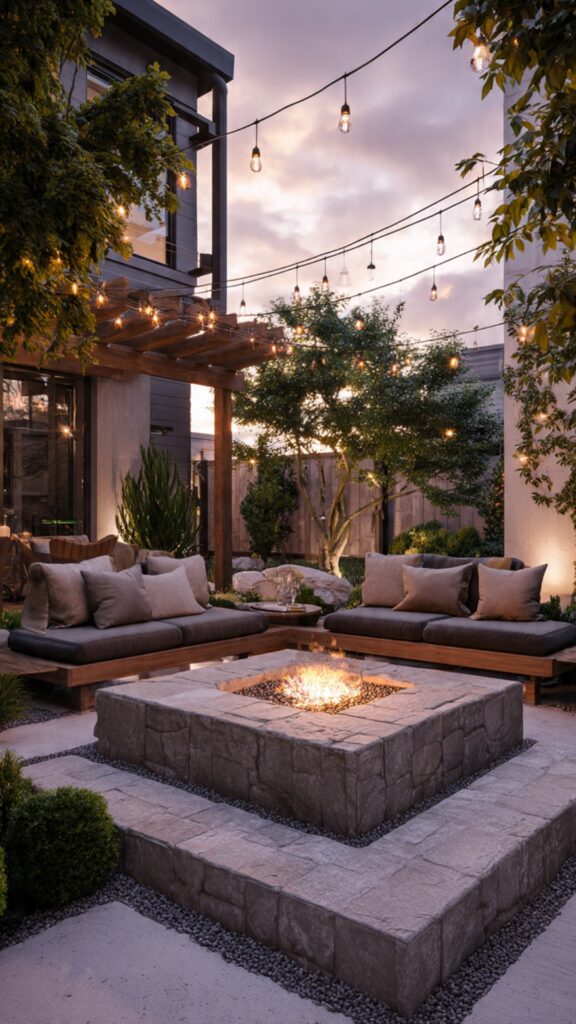
A fire pit is one of the most universally beloved back patio ideas and for very good reason. It extends the usability of your outdoor space well into the cooler evening hours and colder months, creates a natural social gathering point, and adds warmth, ambiance, and drama that no other single patio element can replicate. Whether you choose a built-in stone fire pit, a freestanding metal bowl, or a gas-powered fire table, the effect on your patio’s atmosphere is immediate and profound.
Wood-burning fire pits deliver the authentic crackling fire experience that most people associate with outdoor living at its best. However, they require more maintenance, produce smoke, and are restricted in some urban and suburban areas.
Gas fire pits and fire tables which run on natural gas or propane offer the visual beauty of flame with none of the mess, smoke, or wood-sourcing logistics. They ignite instantly, burn cleanly, and can be turned off with a switch, making them the more practical choice for frequent entertainers.
The design of the seating area around your fire pit is as important as the fire pit itself. A circular arrangement of chairs or built-in bench seating around the fire creates the most natural and sociable configuration. Leave at least 36 inches between the fire pit edge and the nearest seating for safety and comfort.
For built-in fire pit areas, consider using the same stone or paver material as your patio surface to create a cohesive, designed-from-scratch look. For a design detail that competitors rarely mention: consider the height of your fire pit table relative to your seating. A 12–18 inch high fire bowl works best with low-slung lounge chairs for a casual, bonfire-style experience.
A 24–28 inch fire table pairs better with standard-height outdoor dining chairs or sofa seating and is more practical for placing drinks and snacks around the flame. Getting this proportion right makes the difference between a fire feature that feels designed and one that feels like an afterthought.
Add Outdoor String Lights for Evening Ambiance:
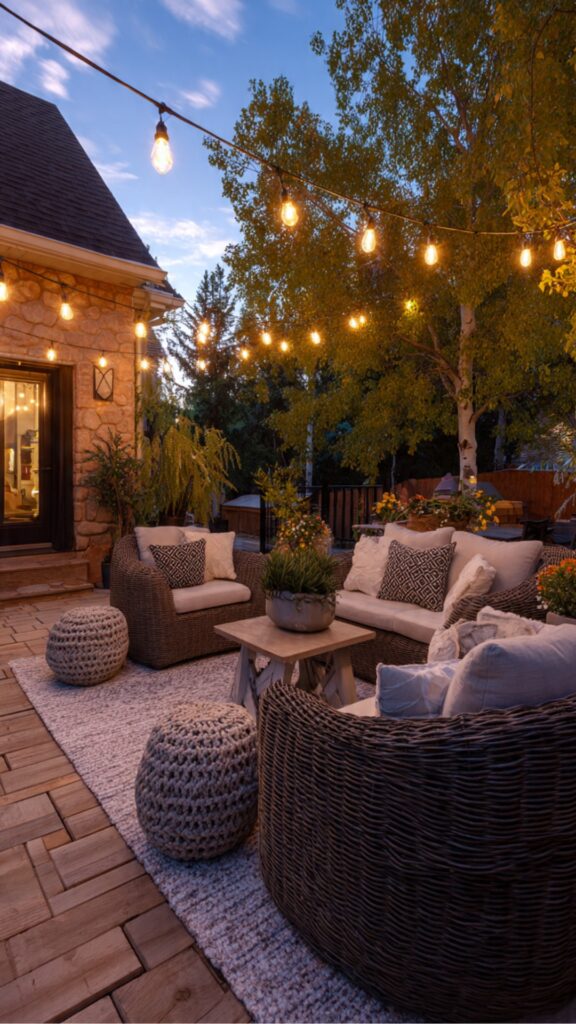
String lights are one of the most cost-effective and atmospherically powerful additions to any back patio ideas. When installed thoughtfully, they transform an ordinary patio into a magical evening space that makes every gathering feel special. Unlike harsh overhead lighting, string lights create a warm, diffused glow that flatters faces, creates intimacy, and makes the entire outdoor space feel more inviting after dark.
The most popular and visually effective installation style is the “canopy” method running strings of lights from a central point outward to the perimeter of your patio, or stringing them back and forth in parallel lines overhead. This creates a ceiling of light that defines the space from above and dramatically enhances the sense of enclosure and coziness. For a pergola-covered patio, simply weave the lights through the pergola beams for an effortless, elegant look.
Bulb choice matters more than most people realize. Edison-style bulbs with a warm amber filament (2200K color temperature) create the most flattering and romantic outdoor light. Globe bulbs (G40 or G50 size) give a fuller, rounder glow that reads beautifully in photographs and in person.
Avoid LED string lights in the cool-white or daylight color temperature range they produce a clinical, unflattering light that works against the warm, relaxed atmosphere most outdoor spaces aim for. Solar-powered string lights have improved dramatically in quality and brightness, making them a genuinely viable option for patios without convenient outdoor electrical outlets.
The best solar string lights now offer 8–10 hours of illumination from a full day’s charge and come with auto on/off sensors that activate at dusk. For permanent installations, however, hardwired outdoor string lights on a dimmer switch offer the most reliable and controllable performance.
Design a Back Patio Dining Area:
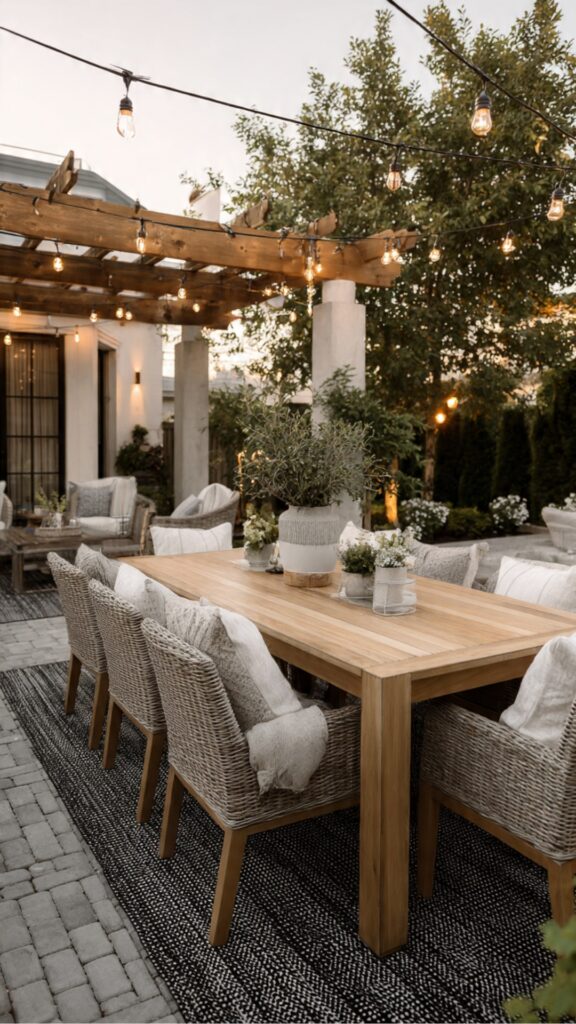
A dedicated outdoor dining area is one of the most practical and enjoyable back patio ideas improvements you can make. It shifts your mealtime experience from indoors to outdoors, encourages more frequent al fresco dining, and becomes the natural center of any outdoor entertaining you do.
The key to a great patio dining area is choosing the right table and chairs for your space, climate, and lifestyle then styling it to feel as considered as your indoor dining room. Round and square dining tables work best on smaller patios because they don’t create the same traffic flow challenges as large rectangular tables.
For larger patios, a 6–8 person rectangular dining table with bench seating on one or both sides maximizes seating capacity while creating a relaxed, communal feel. Teak, powder-coated aluminum, and cast iron are the most durable materials for outdoor dining furniture each ages differently but all perform well across seasons with basic care.
Outdoor dining areas benefit enormously from overhead definition. A pergola, umbrella, or shade sail above the dining table marks the space as purposeful and provides practical sun protection during daytime meals.
A pendant light or chandelier either hardwired or plug-in hung above the outdoor dining table is a detail that elevates the patio dramatically. It brings the intimate warmth of indoor dining outside and photographs beautifully for entertaining content.
Don’t overlook the outdoor dining surface itself. A large outdoor serving cart or sideboard positioned nearby acts as a buffet station during parties, holding food, drinks, dishes, and condiments. This keeps the dining table itself clear and clutter-free during meals while giving guests easy access to serving items. It’s a practical entertaining detail that professional event designers always include but most homeowners rarely think to add to their back patio ideas setup.
Use Pavers or Decorative Concrete for a Polished Surface:
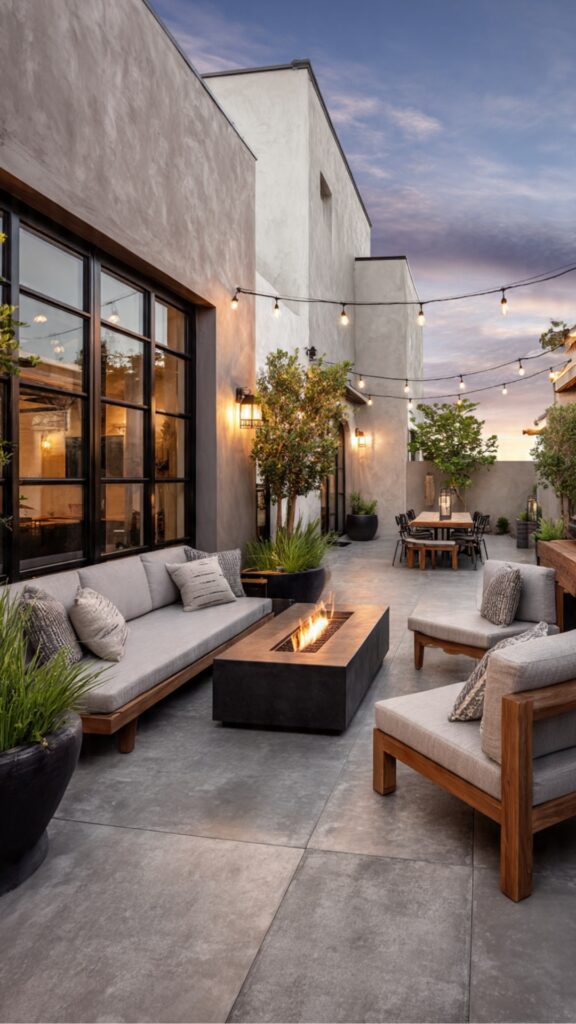
The surface underfoot is the literal foundation of your back patio ideas design and upgrading it from bare concrete or patchy grass to a proper paver or decorative concrete surface is one of the most impactful improvements you can make.
A beautiful patio surface instantly elevates everything placed on top of it, making furniture look more intentional, spaces feel more defined, and the overall patio feel more like a designed outdoor room than an afterthought.
Concrete pavers are the most popular choice for back patio ideas due to their durability, relatively low cost, and enormous variety in color, texture, and shape. Rectangular and square pavers in neutral grey, warm sandstone, or charcoal tones are timeless and versatile.
Herringbone and running bond patterns add visual interest while maintaining a clean, classic look. For a more premium appearance, larger format pavers (24″ x 24″ or larger) with tight joints and a natural stone texture create a seamless, architecturally refined surface.
Natural stone pavers including bluestone, travertine, limestone, and slate offer an authentic, premium quality that manufactured pavers approximate but cannot fully replicate. Travertine is particularly popular for sunny climates because it stays cool underfoot, has a naturally non-slip texture, and weathers beautifully over time.
Bluestone has a refined, architectural quality that suits contemporary and transitional home styles. Both options require sealing every few years but reward that maintenance with exceptional long-term beauty.
Stamped and stained decorative concrete is an increasingly sophisticated option that can mimic the look of natural stone, brick, or wood at a significantly lower cost per square foot. Modern stamping techniques and acid stain processes create surprisingly convincing results.
For homeowners with existing concrete slabs, overlaying with a decorative concrete finish is often more cost-effective than removing and replacing with pavers and the results can be genuinely stunning with a skilled contractor.
Install Outdoor Lighting Layers for Nighttime Drama:
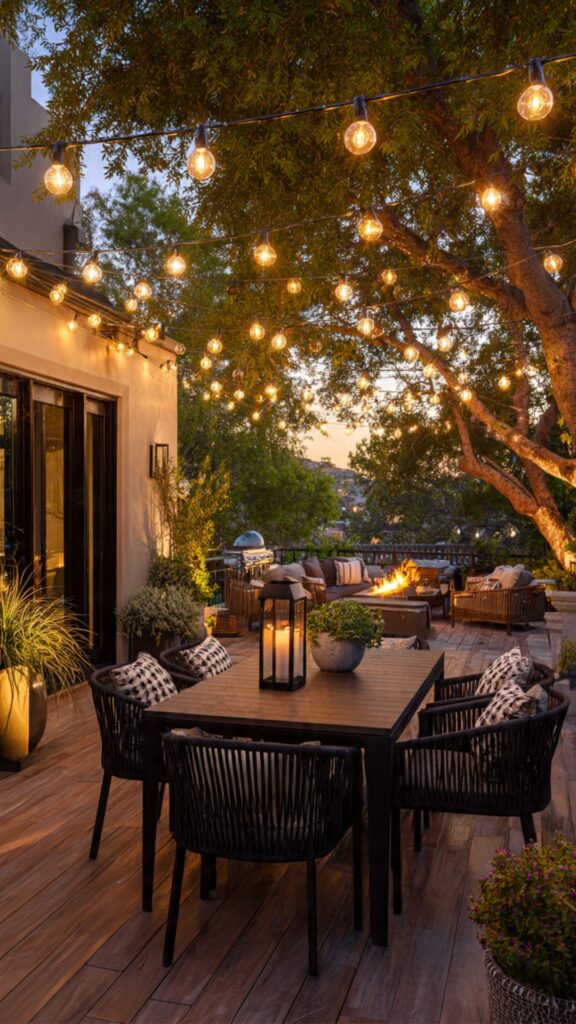
Thoughtful outdoor lighting is the detail that separates a good back patio ideas from a truly exceptional one. Most patios rely on a single overhead light or security floodlight both of which produce harsh, unflattering illumination that kills atmosphere. Professional landscape designers instead use a layered lighting approach that combines multiple light sources at different heights and intensities to create a dynamic, beautiful nocturnal environment.
The three essential layers of outdoor patio lighting are: ambient (overall illumination), task (functional light for cooking, dining, or reading), and accent (decorative light that highlights architectural features, plants, or art). Ambient lighting comes from overhead string lights, lanterns, or a pergola-mounted fixture.
Task lighting includes directional spotlights over a grill or food prep area, and adequate table lighting for dining. Accent lighting often the most neglected layer uses in-ground uplights, path lights, and wall-mounted sconces to add drama and visual depth.
In-ground uplights positioned at the base of trees, large shrubs, or architectural elements (a stone wall, a pergola post) create dramatic silhouettes and shadow play that make your patio look professionally designed.
Low-voltage LED path lights along the perimeter define the space safely while adding a warm, welcoming glow at ground level. Wall-mounted sconces flanking a back door or outdoor fireplace add a symmetry and formality that elevates the entire patio’s design language.
Smart outdoor lighting systems are a worthwhile investment for 2026 and beyond. Products like Philips Hue Outdoor, Govee Outdoor String Lights, and Lutron’s outdoor dimming systems allow you to control your patio lighting from a phone app, set schedules, change color temperatures, and integrate with voice assistants.
The ability to dim your patio lights for a romantic dinner or brighten them for a kids’ party all from your sofa is a practical luxury that becomes quickly indispensable once experienced.
Build a Raised Garden Bed Border:
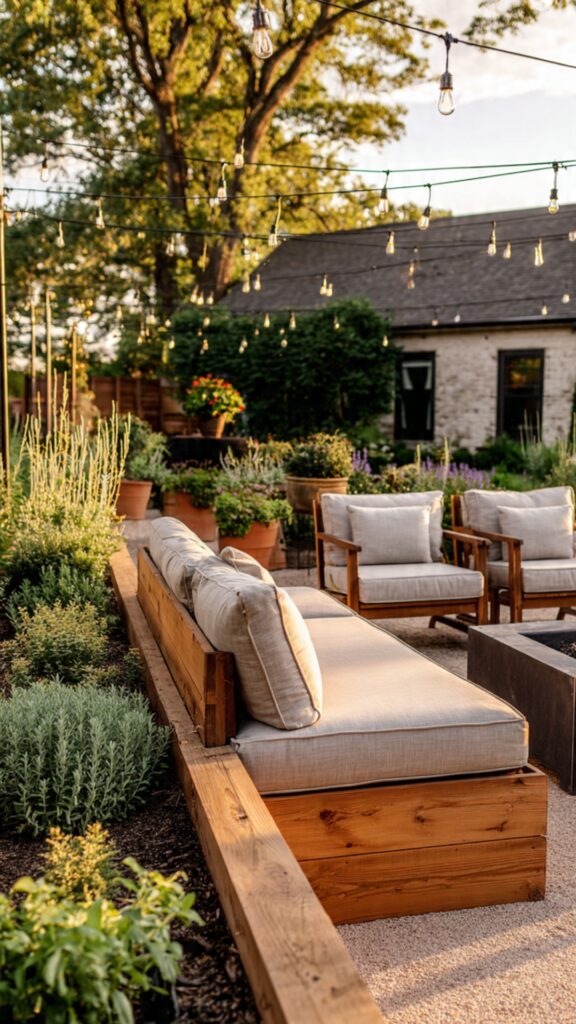
Raised garden beds along the perimeter of a back patio ideas serve dual purposes that few other patio additions can match: they define and border the patio space architecturally, and they create a lush, living backdrop of plants, flowers, herbs, or vegetables that makes the entire patio feel embedded in the landscape rather than sitting awkwardly within it. This integration of hardscape (the patio) and softscape (the garden) is the hallmark of professionally designed outdoor spaces.
The material of your raised bed should coordinate with your patio surface and overall style. Cedar and redwood are the classic choices naturally rot-resistant, beautiful, and workable for DIY builders. Corten (weathering steel) beds develop a rich, rust-patinated finish that looks striking against stone or concrete patios and suits contemporary and industrial design aesthetics.
Concrete block beds with smooth rendering can be painted to match your home exterior for a cohesive, architectural look. Each material choice sends a different design signal and affects the overall character of your outdoor space.
What you grow in your raised beds matters as much as the beds themselves, from a design perspective. For purely aesthetic impact, a combination of tall ornamental grasses, mid-height flowering perennials (lavender, salvia, echinacea), and low ground-cover plants at the front edge creates a layered, naturalistic planting that looks beautiful from every angle and requires relatively little maintenance once established.
For productive beauty, a “kitchen garden” approach mixes herbs, vegetables, and edible flowers in a way that’s genuinely gorgeous while also feeding your household.
A detail that most back patio ideas articles miss: consider the height of your raised beds relative to the patio seating. Beds built to 18–24 inches in height sit at approximately the same level as the arm of a lounge chair, making them perfectly positioned for reaching in to snip herbs while seated.
This ergonomic consideration transforms the raised bed from a purely decorative element into an interactive part of the outdoor living experience something guests and homeowners genuinely love.
Add a Water Feature for Tranquil Ambiance:
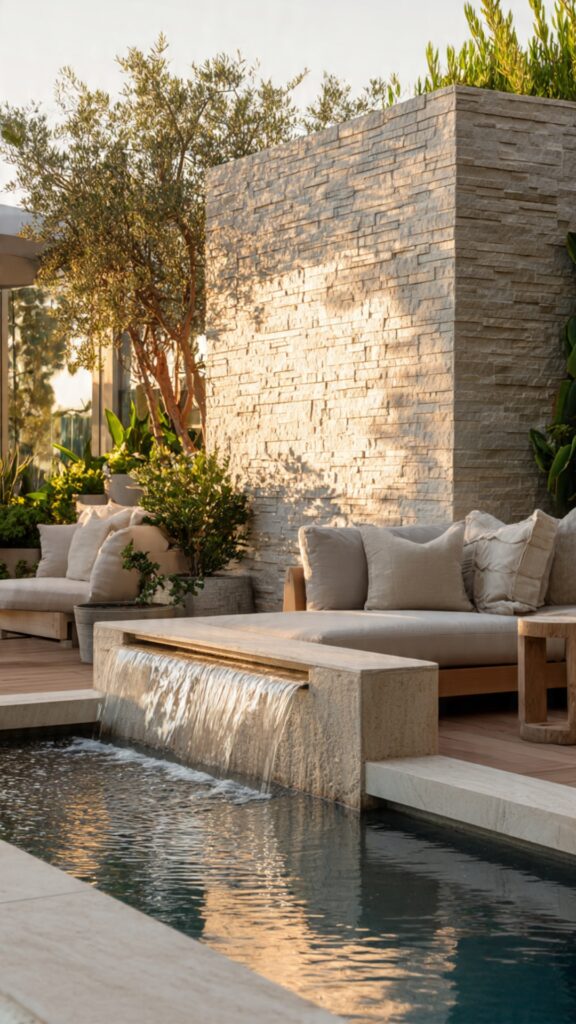
A water feature whether a simple wall fountain, a freestanding urn fountain, a naturalistic pond, or a sleek modern water wall adds a dimension of sensory experience to your back patio ideas that no other element can replicate. The sound of moving water masks urban noise, creates a naturally calming atmosphere, attracts birds and wildlife, and introduces a dynamic quality to the garden that still water and static elements simply cannot provide. It’s one of the most transformative and underutilized back patio ideas available.
For compact patios, a self-contained wall fountain or urn fountain is the ideal solution. These units are fully self-contained with a built-in reservoir and pump, require no plumbing connection, and can be set up in an afternoon.
A well-chosen wall fountain in cast stone, aged bronze, or glazed ceramic becomes an immediate focal point that anchors the design of the entire patio. Positioned near the seating area, the sound of falling water creates a genuine sense of retreat that makes your patio feel far removed from the noise of daily life.
Larger patios can accommodate more ambitious water features. A formal reflecting pool with a single jet fountain creates a classical, symmetrical focal point. A naturalistic pond with aquatic plants and goldfish builds ecosystem interest and requires surprisingly little maintenance once established.
A pondless waterfall which cycles water over a stacked stone feature and back patio ideas into an underground reservoir offers the drama of a waterfall without the safety concerns of an open pond, making it an excellent choice for families with young children.
The maintenance requirements of water features deter some homeowners but modern pump technology and water treatment products have made maintenance far more manageable than it once was. A small fountain with a quality submersible pump (Aquascape and Pondmaster make reliable products) needs only occasional cleaning and water top-up.
Treating the water monthly with a beneficial bacteria product prevents algae growth without harming plants or wildlife. Set a basic maintenance reminder on your phone and a water feature adds genuine, year-round value to your patio with minimal ongoing effort.
Get Inspired : Rooftop Garden Ideas That Perfectly Complement Your Beautiful Back Patio!
Design a Cozy Outdoor Reading Nook:
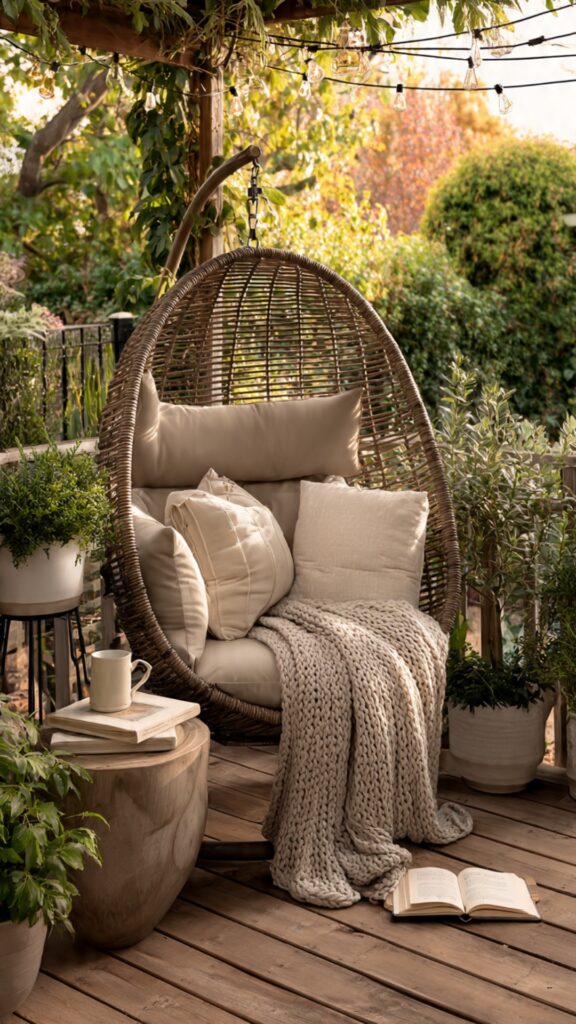
A dedicated outdoor reading nook is a back patio ideas that appeals to homeowners who want their outdoor space to serve as a genuine retreat from screens and social demands. It’s also one of the most personal and restorative uses of patio space a quiet corner furnished for solitary comfort, surrounded by plants, diffused light, and perhaps the sound of a nearby water feature. Done well, an outdoor reading nook becomes one of the most-used and most-loved spots on your entire property.
The foundation of a great outdoor reading nook is protected, comfortable seating. A swing chair, hammock chair, or deep-cushioned wicker egg chair all create an instantly cocooning seating experience that invites lingering.
Position this seating in a naturally sheltered corner against a fence, under a tree canopy, or beneath a pergola section to create a sense of enclosure and privacy. A small side table for a drink, a book stack, or reading glasses is an essential practical addition that makes the nook genuinely functional.
Shade is a critical consideration for an outdoor reading nook. Direct afternoon sunlight makes reading uncomfortable and can damage both skin and the books themselves. A sail shade, retractable awning, or overhanging tree creates the dappled, filtered light that’s ideal for extended outdoor reading.
If your nook is in full sun, a large market umbrella provides a quick and adjustable solution. The best outdoor reading spots are also positioned to catch a prevailing breeze making them refreshing on warm days without being uncomfortably exposed.
Add sensory layers that make the nook feel intentionally designed rather than incidentally placed. A cluster of fragrant potted plants nearby lavender, jasmine, gardenia, or sweet-scented herbs makes the experience of sitting there genuinely multi-sensory.
A small solar lantern or clip-on reading light extends the nook’s usability into the evening. A waterproof storage basket for outdoor throws, sunscreen, and books keeps everything organized and accessible. These details transform a simple chair in a corner into a genuinely crafted retreat.
Install Outdoor Privacy Screens or Fencing:
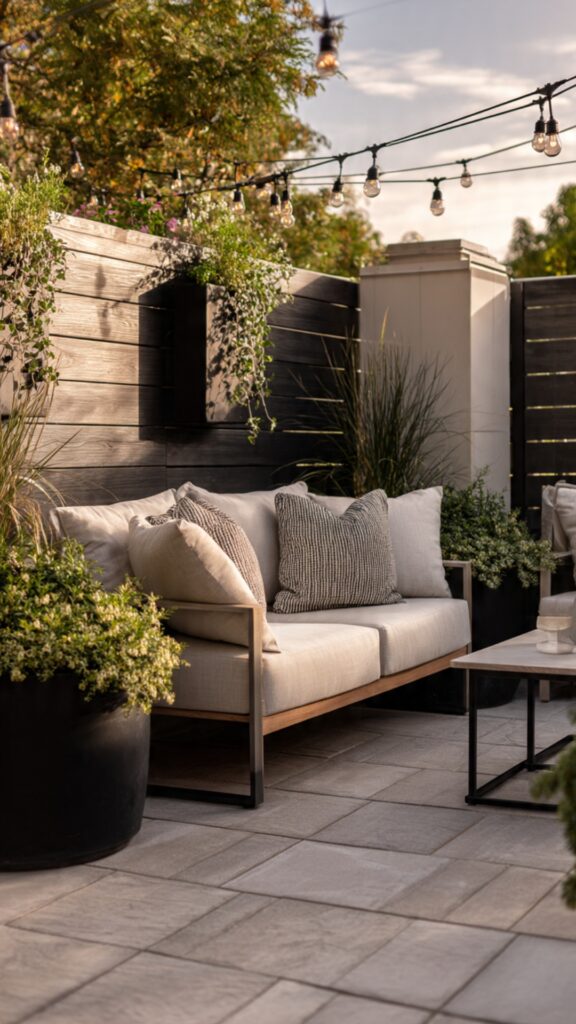
Privacy is consistently cited as one of the top priorities homeowners have for their back patio ideas and with good reason. A patio that feels exposed to neighboring windows, street traffic, or adjacent properties is a patio that never gets fully used or enjoyed.
Solving the privacy problem is therefore one of the most impactful back patio ideas investments you can make, and the solutions available in 2026 span a wide range of styles, budgets, and aesthetics.
Traditional timber fencing remains a popular and effective privacy solution. Cedar and redwood fencing in horizontal board arrangements (rather than traditional vertical picket) has a contemporary, clean look that suits modern and transitional patio designs.
Painted or stained a deep charcoal, navy, or forest green, horizontal timber fencing becomes a genuine design feature rather than a purely functional barrier. The dark backdrop it creates also makes plants and furniture pop visually a detail landscape designers leverage consistently.
For a more design-forward privacy solution, consider outdoor privacy screens in laser-cut powder-coated steel. These panels feature geometric or botanical cut patterns that filter light and create beautiful shadow play on your patio surface throughout the day.
They’re available in a range of heights and patterns, can be mounted as freestanding panels or attached to existing structures, and are virtually maintenance-free once installed. They represent the intersection of privacy screening and outdoor art serving both functions elegantly.
Living privacy screens dense plantings of ornamental grasses, bamboo, arborvitae, or large-format shrubs are the most naturalistic solution and the one that adds the most ecological value to your garden. Clumping bamboo (not running bamboo, which spreads invasively) grows quickly, reaches impressive heights, and creates a beautiful, rustling privacy screen that softens noise and wind.
Arborvitae planted 3–4 feet apart creates a dense evergreen screen within 2–3 seasons. These living solutions improve year over year, making them a uniquely rewarding long-term patio investment.
Create an Outdoor Kitchen or Grill Station:
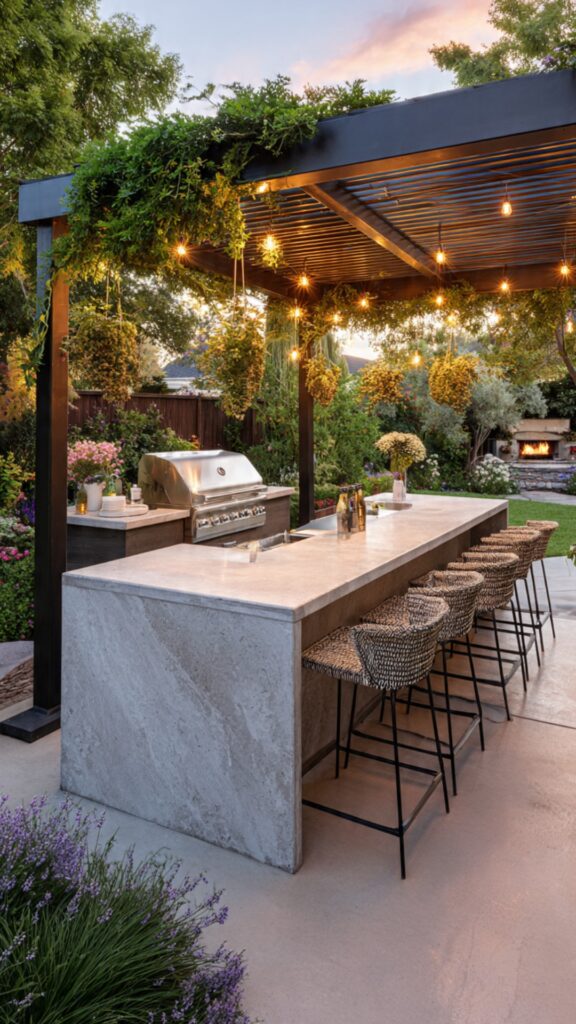
An outdoor kitchen is one of the most high-value and lifestyle-enhancing additions possible for a back patio ideas. It shifts cooking outdoors during warm months, keeps grilling mess away from your home interior, creates a natural entertainment hub, and according to multiple real estate studies delivers a strong return on investment at resale. Even a modest outdoor kitchen setup dramatically improves the functionality and enjoyment of your patio space.
A full outdoor kitchen typically includes a built-in grill, side burners, a mini-fridge, counter space in weather-resistant stone or concrete, and storage cabinets in marine-grade stainless steel or aluminum. This level of outdoor kitchen requires a permanent installation with gas line access and weatherproof electrical connections and it can cost anywhere from $5,000 to $50,000 depending on scale and materials.
However, the outdoor cooking and entertaining experience it enables is genuinely transformative for frequent hosts and cooking enthusiasts. For those not ready for a full outdoor kitchen build, a modular approach delivers most of the functionality at a fraction of the cost.
Start with a quality freestanding grill (gas or charcoal depending on your preference), add a rolling stainless steel prep cart for counter space, and install a small outdoor bar fridge nearby. A simple granite or concrete slab countertop built onto a cinder block or concrete base creates a permanent prep surface for under $500 in materials. These modular components can be upgraded over time as budget allows.
The placement of your outdoor kitchen or grill station matters significantly for safety, functionality, and social integration. Position the grill downwind of your primary seating area to keep smoke directed away from guests. Maintain at least 10 feet of clearance from any combustible structures.
Importantly and this is a detail most guides miss orient the grill so the chef faces the seating area rather than away from it. This simple positioning detail keeps the cook socially engaged with guests rather than isolated, fundamentally changing the entertaining dynamic of your entire patio.
Add Colorful Outdoor Rugs to Define Zones:
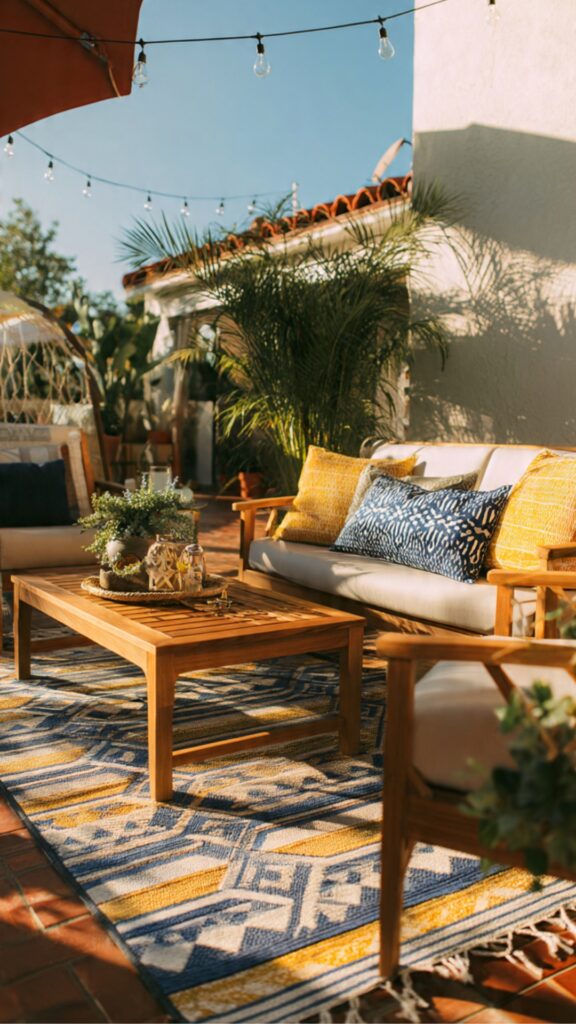
An outdoor area rug is one of the fastest, most affordable, and most impactful ways to elevate a back patio ideas design. It does something that furniture and plants alone cannot it defines space visually, anchors a furniture grouping, adds color and pattern to what is often a neutral patio surface, and introduces a layered, decorated quality that makes outdoor spaces feel genuinely designed rather than simply furnished.
Choosing the right outdoor rug size is critically important and one of the most common mistakes homeowners make. Too small a rug makes the furniture grouping look disconnected and the space feel awkward. The standard guideline for outdoor dining areas is to choose a rug large enough that all chair legs remain on the rug even when pushed back patio ideas from the table.
For outdoor living room groupings, all front legs of sofas and chairs should sit on the rug. When in doubt, go larger a generously sized outdoor rug is almost always more successful than a modest one.
Outdoor rug materials have improved enormously in quality and comfort in recent years. Polypropylene (recycled plastic) rugs are the most popular choice they’re fully waterproof, fade-resistant, UV-stable, mold-resistant, and can be hosed off for easy cleaning.
Flatweave polypropylene rugs in bold geometric or abstract patterns have become a significant design trend for contemporary patios. For a softer underfoot feel, indoor-outdoor rugs with a higher pile in natural-looking textures like jute or sisal simulate the warmth of indoor rugs while handling outdoor conditions.
From a design perspective, the outdoor rug is often the single best opportunity to introduce a bold color or pattern to a patio that is otherwise dominated by neutral furniture and natural materials. A vibrant blue-and-white geometric rug under a grey sectional and natural wood coffee table creates an immediate focal point and energizes the entire space.
Pattern and color confidence in outdoor rugs is a design move that consistently distinguishes well-styled patios from generic ones and it’s a move that’s very easy to undo if you change your mind, unlike most other patio design decisions.
Build or Add a Patio Roof or Covered Porch:
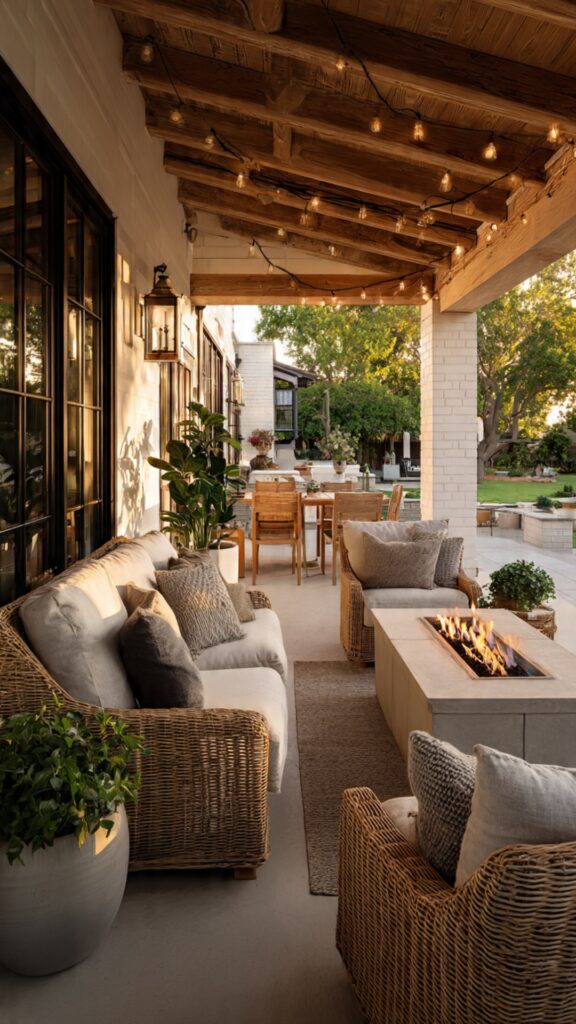
A covered back patio ideas or porch represents one of the most significant functional and aesthetic upgrades you can make to your outdoor space. Unlike an open patio, a covered patio is usable in light rain, provides full sun protection during peak UV hours, enables outdoor furniture with non-weatherproof materials, and dramatically extends the number of days per year you can comfortably use your outdoor space.
In regions with significant rainfall or extreme summer heat, a patio cover can transform an underused outdoor area into one of the most-used rooms in the home. Covered patio options range from simple attached awnings to fully roofed and enclosed screened porches.
An attached awning either retractable or fixed is the most affordable covered patio solution, typically ranging from $500–$5,000 depending on size and motor. A solid roof extension that matches your home’s existing roofline is the most architecturally integrated option and adds the most value at resale, but it requires permits, structural engineering, and typically costs $10,000–$40,000 for a professionally built installation.
A screened-in porch takes the covered patio concept a step further by enclosing the sides with insect screening a particularly game-changing feature in mosquito-prone climates. Screened porches allow genuine fresh-air living without the insect problem, and can be furnished with ceiling fans for air circulation, pendant lights for evening ambiance, and comfortable indoor-grade furniture that’s protected from the elements by the roof above. Many homeowners with screened porches describe them as their favorite room in the house which says everything about their transformative effect on daily life.
For a middle-ground solution, a motorized louvered pergola provides roofing flexibility without the permanence of a full roof structure. These systems open fully for sun exposure and close to provide watertight rain protection, all at the push of a button.
They can incorporate integrated LED lighting in the louvers, side screens that drop for wind and insect protection, and smart home connectivity. While more expensive than basic pergolas ($8,000–$25,000 installed), motorized louvered systems represent the most versatile and technologically advanced covered patio solution currently available.
Style a Back Patio with Potted Plants and Container Gardens:
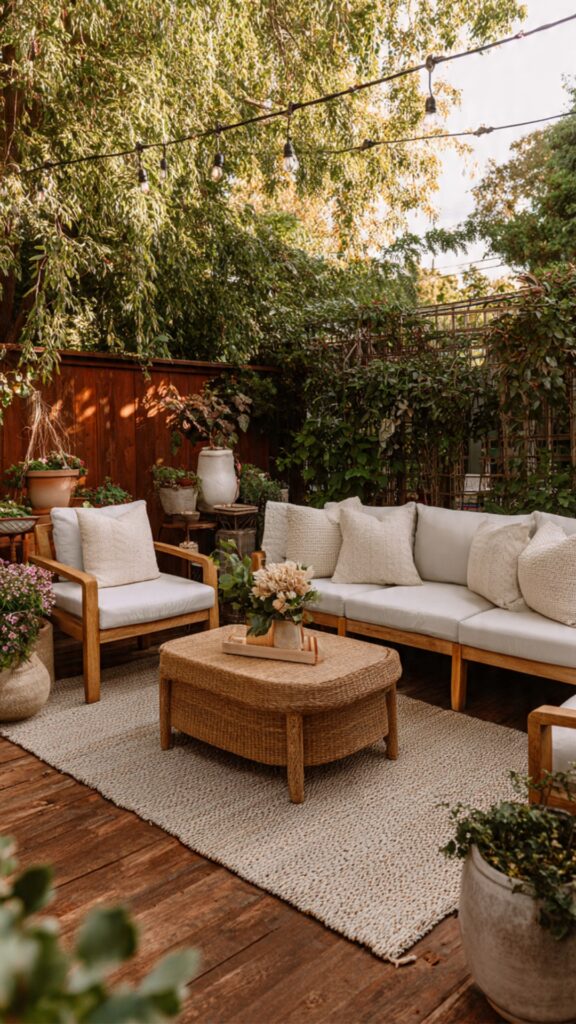
Container gardening is the most flexible and creative approach to adding greenery to a back patio ideas. Unlike in-ground planting, container gardens can be rearranged, rotated, swapped out seasonally, and taken with you if you move. A well-curated collection of potted plants transforms a bare patio surface into a lush, layered garden experience and the styling possibilities are essentially limitless depending on pot choice, plant selection, and arrangement.
The key to making potted plants look designed rather than random is consistency in container styling. Choosing containers in a cohesive material palette for example, all terracotta, all concrete, all glazed ceramic in complementary colors creates visual unity even when the plants themselves are varied.
Mixing container sizes deliberately (tall, medium, and low vessels grouped together) creates the layered, naturalistic quality of an in-ground garden bed while maintaining the flexibility of container planting.
Plant selection for patio containers should account for the specific light conditions, climate, and aesthetic goals of your space. For full sun patios, bougainvillea, geraniums, lantana, elephant ears, and ornamental citrus trees all perform beautifully in large containers.
For shaded patios, hydrangeas, impatiens, caladiums, ferns, and hostas thrive in pots and create lush, cool-toned displays. Mixing “thriller, filler, and spiller” plants in each large container — one tall architectural plant, one dense mid-height plant, and one trailing plant creates the fullest and most visually complete container arrangement.
Scale is a critical consideration when styling potted plants on a back patio ideas. Very large containers (24 inches or larger in diameter) make a strong design statement on their own and can anchor a corner or frame an entry. Clusters of smaller pots are best displayed on varying-height plant stands or stacked platforms to create dimension.
An oversized single container with a dramatic specimen plant a fiddle-leaf fig for a covered patio, a tall olive tree for a sunny one, or a sculptural cactus for a contemporary desert-style space functions as outdoor sculpture and is one of the most impactful single-plant investments you can make.
Find Out More : Front Porch Decor Ideas That Match the Outdoor Style of Your Back Patio.
Design a Multi-Zone Patio for Entertaining and Relaxing:
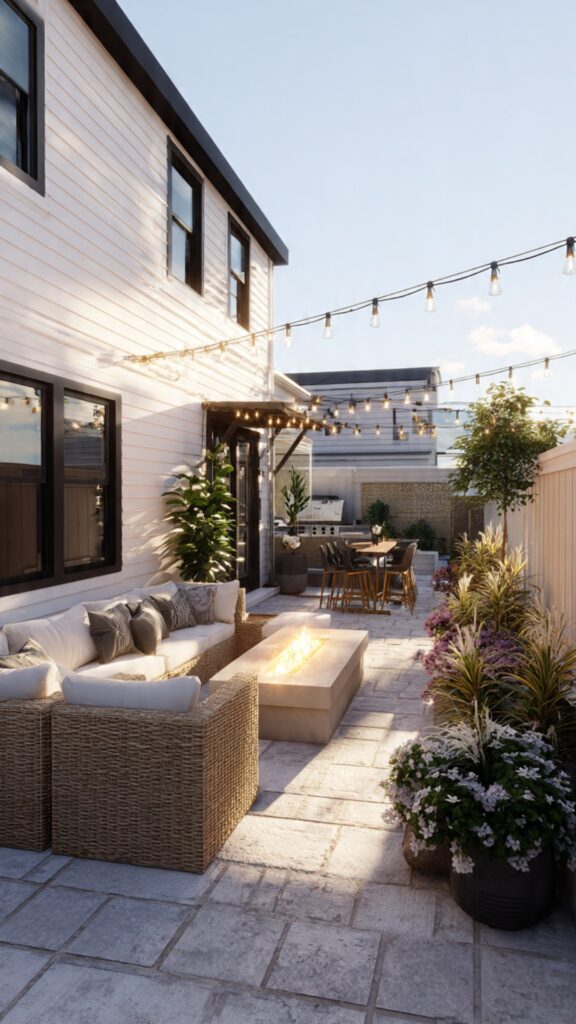
The most sophisticated and future-forward back patio ideas is designing a multi-zone outdoor space one that accommodates different activities simultaneously and can transition smoothly between relaxing, dining, and entertaining without feeling cramped or chaotic. This approach is increasingly common in professionally designed outdoor spaces and represents the direction that residential patio design is moving for 2026 and beyond.
A multi-zone patio typically separates the space into two or three distinct activity areas, each with its own defined purpose, furniture, and ambiance. The most common arrangement includes a dining zone, a lounge/conversation zone, and either a cooking zone or a quiet retreat zone.
These areas connect naturally through the shared patio surface but feel distinct from each other through the use of area rugs, changes in elevation, differences in lighting, and the orientation of furniture groupings.
Transitional elements between zones are what make a multi-zone patio feel cohesive rather than fragmented. Raised planter beds, low dividing walls, changes in paving material or pattern, or a shift from a shaded zone to an open zone all serve as natural zone dividers without creating hard barriers.
Water features, fire pits, and outdoor fireplaces are particularly effective zone anchors because they create a natural gathering point that draws people to a specific area of the patio.
Planning a multi-zone patio requires thinking about traffic flow as carefully as a professional space planner would. Allow at least 36 inches of clearance between furniture groupings for comfortable movement. Position the cooking zone near the indoor kitchen for food transport convenience. Place the quiet relaxation zone furthest from the home’s interior and nearest to the garden for maximum sense of escape.
Think about which zone receives afternoon shade (ideal for dining) versus morning sun (ideal for breakfast or coffee). These spatial considerations, when addressed intentionally, produce a patio that genuinely functions as well as it looks.
Conclusion
The best back patio ideas combine thoughtful design, quality materials, and personal touches that reflect how you actually want to live and entertain outdoors. Whether you start with string lights and a great outdoor rug or commit to a full outdoor kitchen and pergola build, every intentional improvement you make moves your patio closer to the outdoor retreat you deserve.
The key takeaway is simple: treat your patio like the valuable living space it is, and invest in it accordingly. Start with one idea from this guide this weekend your outdoor space is waiting to be transformed.

Team TrandyVilla is the passionate home decor team behind Trandy Villa, where style meets comfort in everyday living. The team loves transforming simple spaces into beautiful, functional homes through smart ideas, budget-friendly hacks, and modern design trends. Their content focuses on helping readers create homes that feel both stylish and personal without spending too much.