
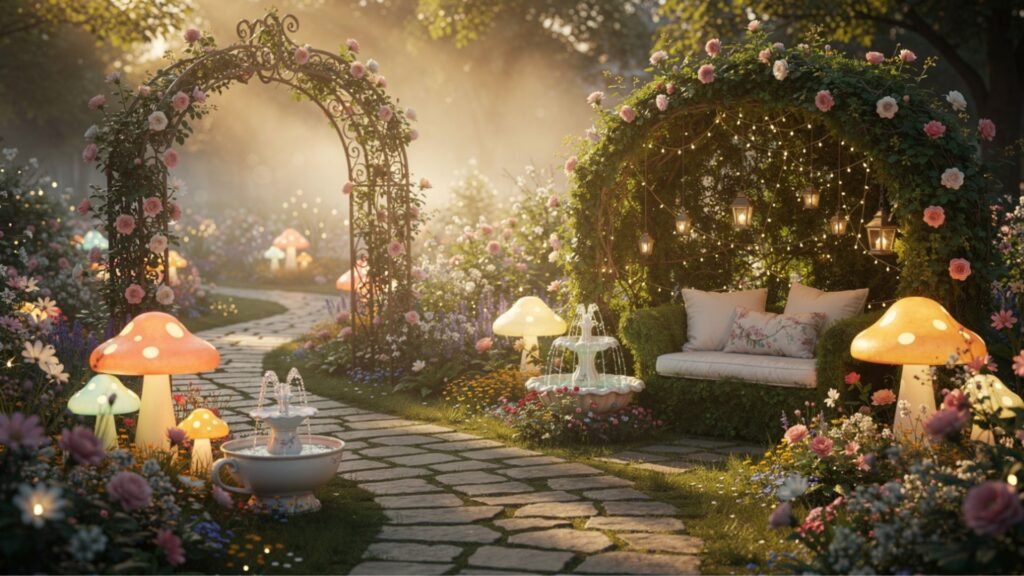
A whimsical garden is more than just a collection of plants it is a living, breathing work of imagination. Unlike formal or minimalist garden styles, whimsical gardens embrace charm, surprise, and personality at every turn. They invite you to step away from the ordinary and into a space that feels almost magical. Whether you have a small backyard or an expansive landscape, a whimsical garden can be shaped to fit your vision, your budget, and your creative spirit.
A whimsical garden is a creatively designed outdoor space filled with charm, imagination, and playful elements. It blends fairy-tale features, colorful plants, vintage decor, and enchanting lighting. The main motives are simple: spark joy, invite curiosity, express personality, create a magical escape, and connect with nature in a deeply personal way.
Close your eyes and imagine stepping into a space where every corner holds a surprise that is the power of a whimsical garden. It turns an ordinary yard into a living storybook. It is a place where creativity grows as freely as the flowers.
Whimsical garden ideas range from fairy-tale pathways and secret garden nooks to wildflower meadows and moon gardens. Each idea adds personality, color, and life to any outdoor space. Small details make a big difference. Repurposed decor, climbing plants, and soft lighting all work together. These ideas suit any garden size, budget, or skill level. Anyone can build a space that feels truly magical.
Create a Fairy-Tale Pathway:
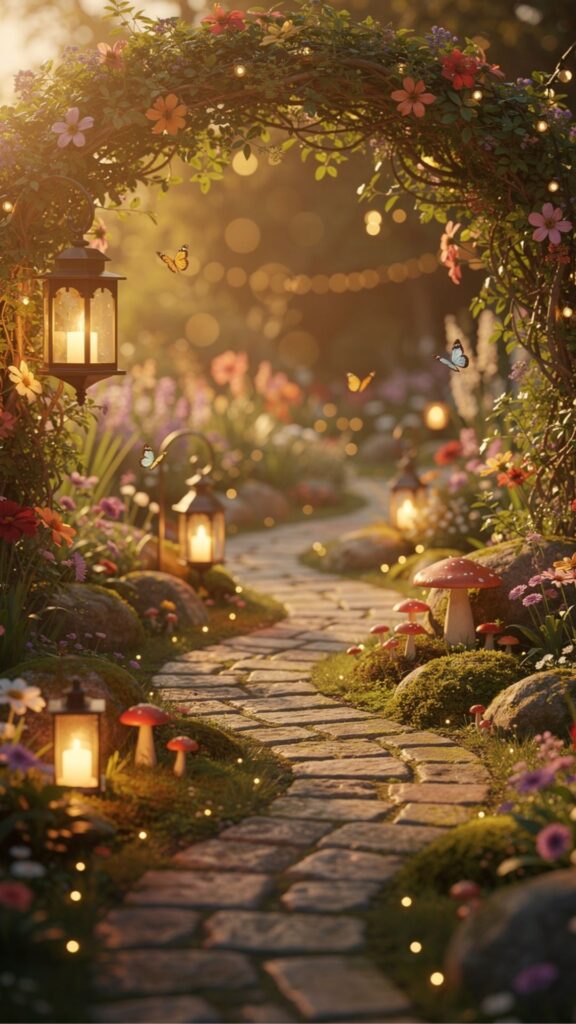
The entrance to a whimsical garden sets the tone for everything that follows. A fairy-tale pathway made from irregular flagstone, mossy stepping stones, or even reclaimed brick creates an immediate sense of journey. Unlike straight, formal paths, whimsical paths curve gently, disappearing around a corner or behind a hedge, inviting the visitor to explore what lies ahead. This sense of mystery is one of the defining qualities of an enchanted garden.
To enhance the effect, plant low-growing ground covers like creeping thyme, mazus, or Irish moss between the stones. These plants soften hard edges and release a subtle fragrance when stepped on. Lining the path with cottage flowers such as foxglove, hollyhock, and lavender adds height variation and color.
For a nighttime effect, solar-powered stake lights placed every few feet create a warm, glowing corridor that feels like it belongs in a storybook. One often-overlooked detail is the material mix. Combining different textures smooth river pebbles alongside rough-cut slate, for example creates visual richness that a single material cannot achieve.
You can also embed decorative tiles, ceramic shards, or mosaic pieces into the path for an artist’s touch. The goal is to make each step feel like a small discovery, pulling the visitor deeper into the garden’s world.
Add Fairy Lights and Enchanted Garden Lighting:
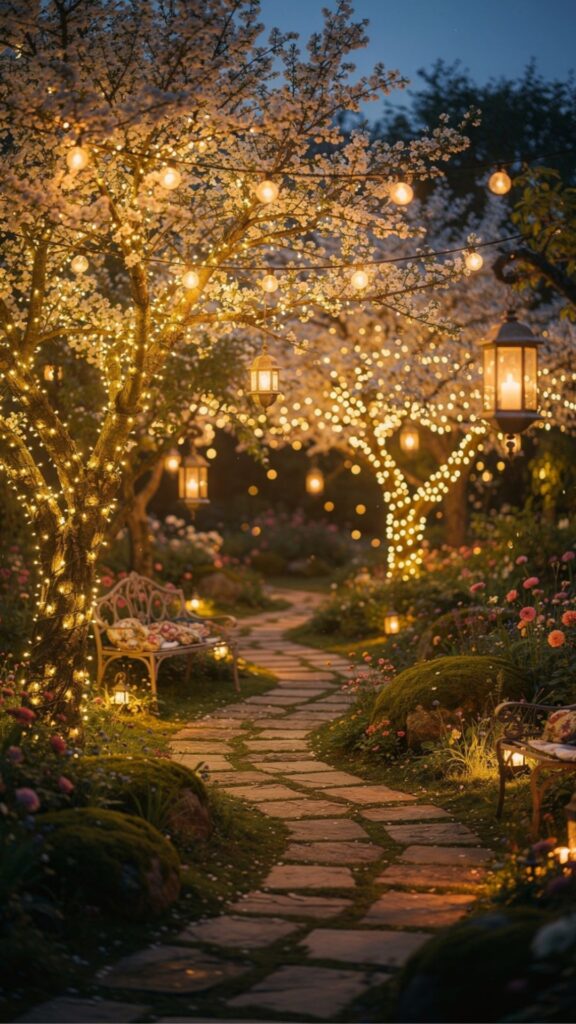
Lighting transforms any garden space, but in a whimsical garden, it is pure magic. Solar-powered fairy lights strung through tree branches, climbing roses, or along a fence create an ethereal glow that turns even a modest yard into an enchanted retreat after sunset.
Unlike harsh floodlights, warm-toned Edison bulbs or soft white micro-lights cast gentle, romantic shadows that make the garden feel alive and mysterious. For a more intentional design, consider layering different types of garden lighting.
Use low-voltage pathway lights to guide movement, uplighting to highlight specimen plants or sculptural features, and string lights to define overhead zones like a dining nook or a reading corner. Colored lanterns especially those with cut-out patterns project beautiful shapes on surrounding surfaces, adding another layer of visual storytelling to the space.
A particularly effective trick that competitors rarely mention is using reflective surfaces to multiply light. A small garden pond, a mirrored ball, or even clusters of silver gazing globes can catch and scatter light in unexpected directions, making the garden feel larger and more complex than it actually is. Combine this with motion-activated firefly-style lights tucked into flower beds, and the effect at night is genuinely breathtaking.
Step Inside: Rooftop Garden Ideas That Perfectly Complement Your Beautiful Whimsical Garden Style.
Install Whimsical Garden Sculptures and Art:
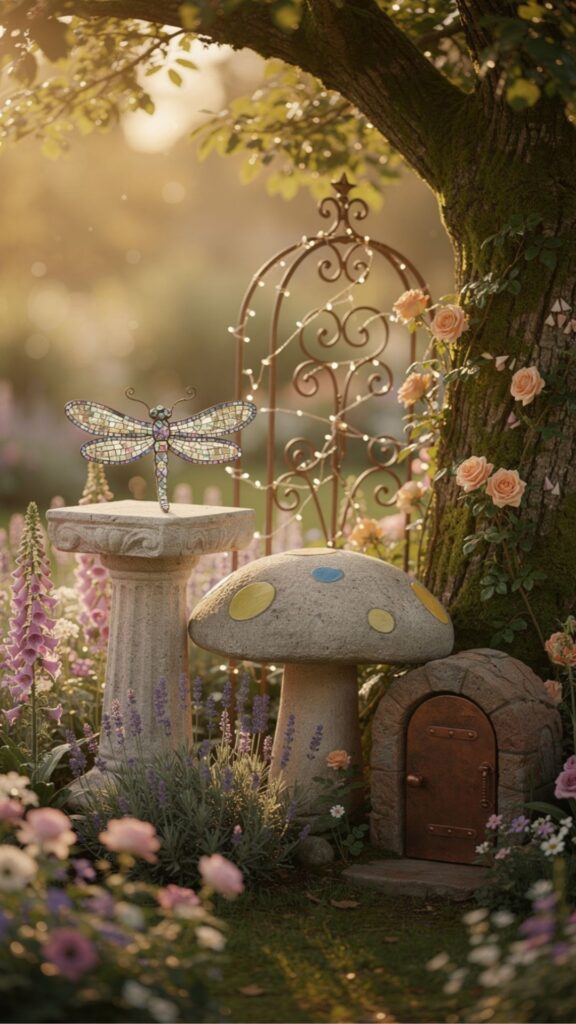
Garden art is the soul of a whimsical outdoor space. Unlike formal gardens that favor classical statuary, whimsical gardens welcome a much broader range of sculptural expression from rusted iron dragonflies and ceramic frogs to driftwood towers and mosaic garden balls. The key is choosing pieces that feel personal and intentional, as though each one tells a story about the garden’s creator.
DIY garden sculpture is especially powerful here. A stack of painted river stones, a welded metal tree hung with glass beads, or a repurposed colander filled with trailing succulents these hand-crafted elements add authenticity that store-bought decor simply cannot replicate. Children’s toys, old kitchen tools, and vintage farm equipment can all become garden art when placed with intention and a touch of whimsy.
Placement matters enormously. Resist the urge to cluster all sculptures in one area. Instead, distribute them throughout the garden partially hidden behind plants, perched on stumps, emerging from a ground cover. This creates a treasure-hunt effect where visitors make new discoveries with every visit. Scale is also important: oversized art creates drama, while miniature pieces reward those who look closely.
Design a Cottage Garden with Wild Charm:
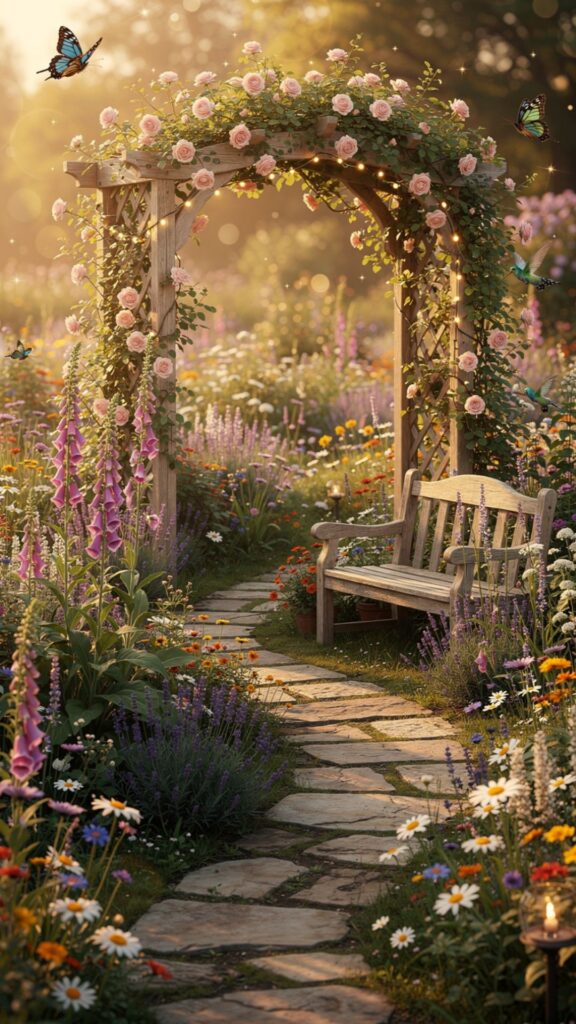
The cottage garden style is perhaps the most natural home for whimsical garden aesthetics. It is defined by an abundance of flowering plants arranged in a seemingly spontaneous but carefully orchestrated way. Think blowsy roses scrambling over a fence, lavender spilling onto a gravel path, and hollyhocks leaning against a stone wall. This style intentionally blurs the line between wild and cultivated, creating a lush, romantic atmosphere.
To design a truly compelling cottage garden, choose plants with overlapping bloom times so something is always flowering from early spring through autumn. Classic whimsical cottage plants include delphinium, foxglove, sweet pea, cosmos, echinacea, and verbena. Mixing annual and perennial plants ensures that the garden evolves from year to year, never looking exactly the same twice a hallmark of truly living, breathing garden design.
One insight that most guides miss is the importance of leaving space for self-seeding. Plants like California poppy, forget-me-not, and borage will naturally reseed themselves, filling gaps and creating combinations you never planned. This element of surprise is central to the whimsical garden philosophy. Rather than fighting it, embrace it. A cottage garden that plants itself partly on its own terms has a naturalness and charm that over-planned spaces can rarely achieve.
Build a Secret Garden Nook:
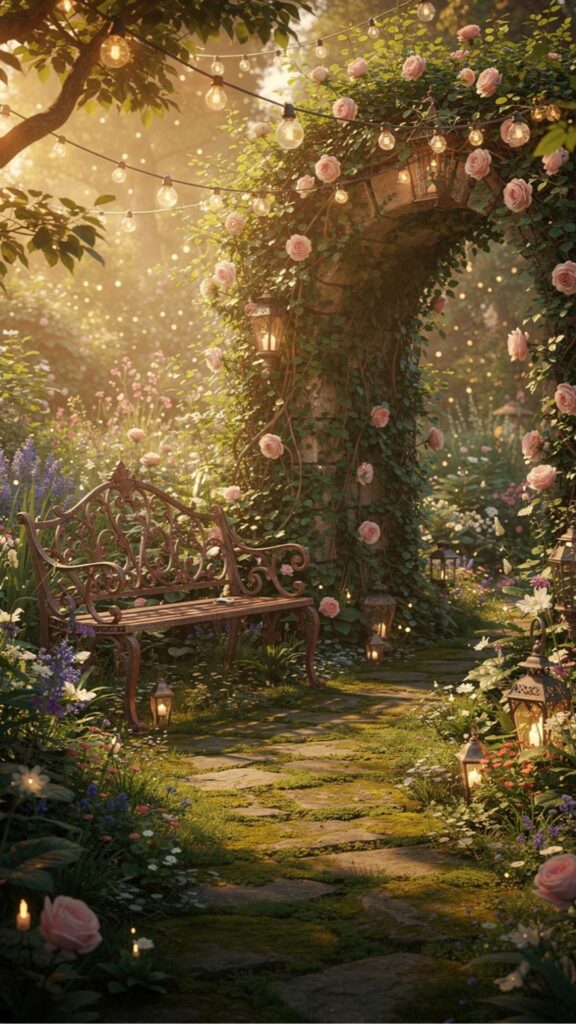
Every great whimsical garden has at least one secret: a hidden corner, a secluded bench, a bower draped in climbing roses where one can sit entirely surrounded by green and bloom. Creating a sense of enclosure and discovery is one of the most powerful design moves in garden design, and it does not require a large space. Even a corner of a small yard can be transformed into a private sanctuary with the right combination of plants and structures.
Arched trellises covered in climbing plants jasmine, clematis, honeysuckle, or wisteria are the fastest way to create instant enclosure. Place a weathered wooden bench or a pair of iron chairs inside the bower, add a small bistro table and a lantern, and the space immediately feels like something out of Frances Hodgson Burnett’s The Secret Garden.
Fragrant plants are especially important here; scent triggers powerful emotional associations and deepens the sense of sanctuary. For those working with smaller spaces, a corner pergola draped with outdoor curtains can create the same secluded feeling.
Potted plants stacked at different heights, a small water feature nearby, and a string of fairy lights overhead complete the picture. The psychological benefit of having a hidden place within a garden a room within a room is profound. It makes the whole garden feel larger and more layered than its actual dimensions suggest.
Use Repurposed and Upcycled Garden Decor:
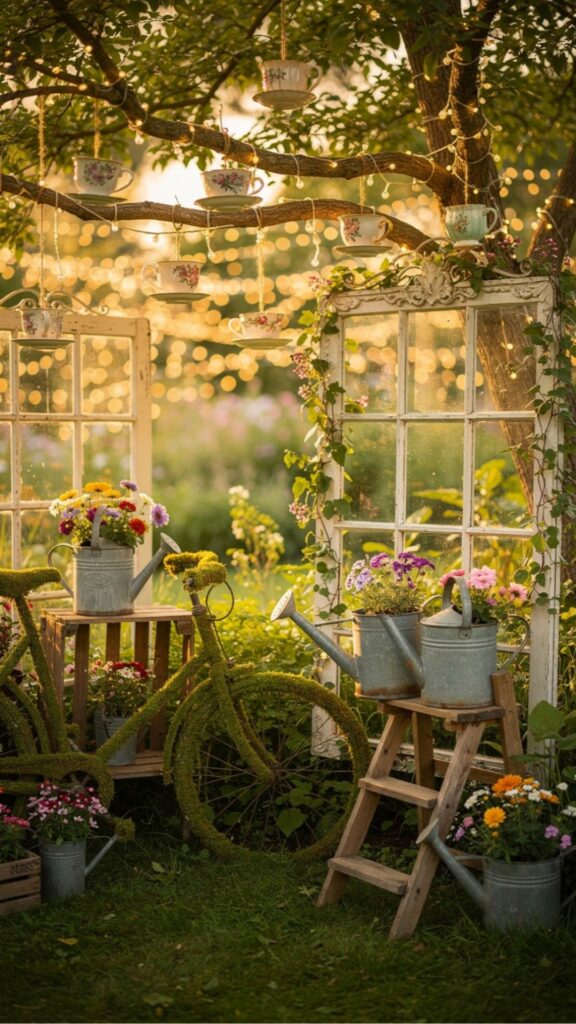
One of the most distinctive qualities of a whimsical garden is its love of the unexpected. Repurposed and upcycled objects used as planters, art, or structural elements immediately signal a creative, individualistic spirit. An old claw-foot bathtub filled with herbs, a rusted wheelbarrow spilling with petunias, or a row of vintage rain boots planted with succulents these elements bring humor, history, and personality that no garden center product can replicate.
The beauty of upcycling is that it is inherently sustainable. By giving old objects new life, you reduce waste while creating a garden that is truly one of a kind. Flea markets, salvage yards, and estate sales are treasure troves for whimsical garden finds.
Look for items with interesting shapes, textures, or patinas a cracked teapot, an old colander, a stack of vintage luggage that can be repurposed as planters or decorative accents. A clever approach that many gardeners overlook is creating a cohesive theme around your upcycled pieces.
For example, a kitchen-themed garden might feature colanders, graters, and watering cans as planters, all planted with herbs and edible flowers. A nautical theme might incorporate driftwood, rope, and old fishing traps. Giving your upcycled decor a unifying thread elevates it from quirky to genuinely artistic.
Plant a Wildflower Meadow Section:
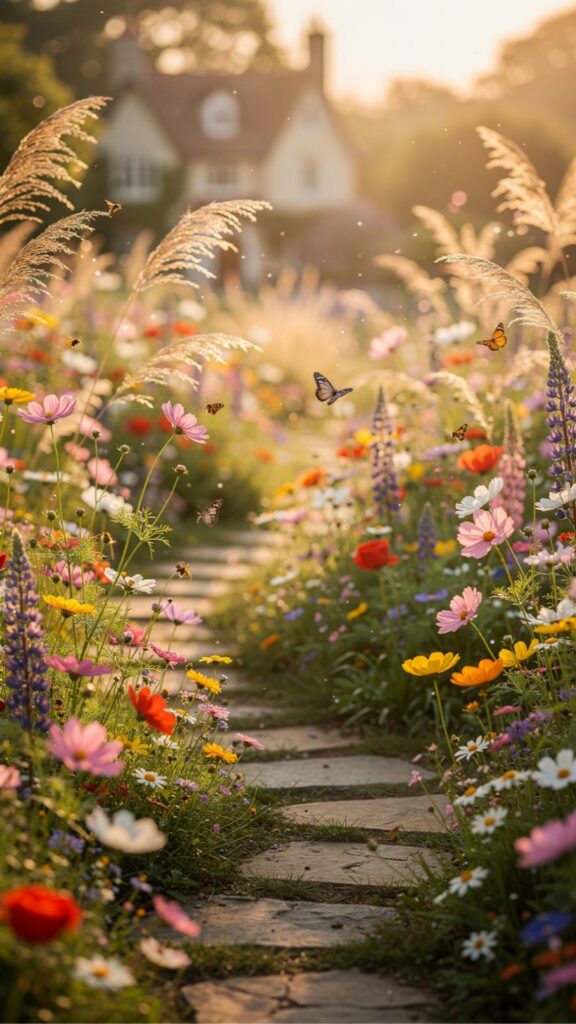
Wildflower meadows are experiencing a major renaissance in garden design, and they are a perfect fit for the whimsical garden aesthetic. A dedicated meadow section even a small one brings movement, biodiversity, and an untamed beauty that structured borders cannot achieve. Watching a mix of cornflowers, ox-eye daisies, poppies, and grasses sway in the breeze is one of the most genuinely joyful experiences a garden can offer.
Starting a wildflower meadow is simpler than most people assume. The most important step is soil preparation: wildflowers actually prefer low-fertility soil, so resist the urge to add compost or fertilizer. Scrape back the top layer of soil, scatter a wildflower seed mix appropriate to your region and climate, and water gently. Within a season, you will typically have a diverse, self-sustaining tapestry of bloom that requires minimal maintenance.
From a future-focused gardening perspective, wildflower meadows are increasingly recognized as critical habitat for pollinators bees, butterflies, and hoverflies that are essential to both garden health and food production. Including a meadow section in your whimsical garden is not just an aesthetic choice; it is an ecological one. As awareness of pollinator decline grows, gardens that support biodiversity are becoming more valuable, both environmentally and in terms of real estate appeal.
See The Magic: Garden Room Ideas That Bring the Same Magical and Dreamy Feel as Your Whimsical Garden.
Add a Magical Water Feature:

Water is one of the most transformative elements you can add to a whimsical garden. Even a small water feature a bubbling stone fountain, a half-barrel pond, or a shallow basin filled with pebbles and a solar pump introduces sound, movement, and reflection that fundamentally change the atmosphere of a space. The sound of moving water is deeply soothing and creates a sense of enclosure that masks urban noise.
For a truly whimsical garden effect, choose water features with an organic or artistic quality rather than a sleek, modern look. A mossy stone trough, a cast-iron pump trickling into a galvanized trough, or a hand-thrown ceramic bowl these feel like they have always belonged in the garden rather than being recently installed. Surrounding the water feature with moisture-loving plants like hostas, astilbe, ferns, and irises deepens the naturalistic effect.
Wildlife is an often-underestimated benefit of garden water features. Even a shallow basin placed at ground level will attract birds for bathing and drinking. A slightly deeper feature will quickly become home to frogs, newts, and aquatic insects all of which contribute to a healthy garden ecosystem. In a whimsical garden, wildlife is not an afterthought; it is part of the story.
Grow Climbing Plants on Quirky Structures:
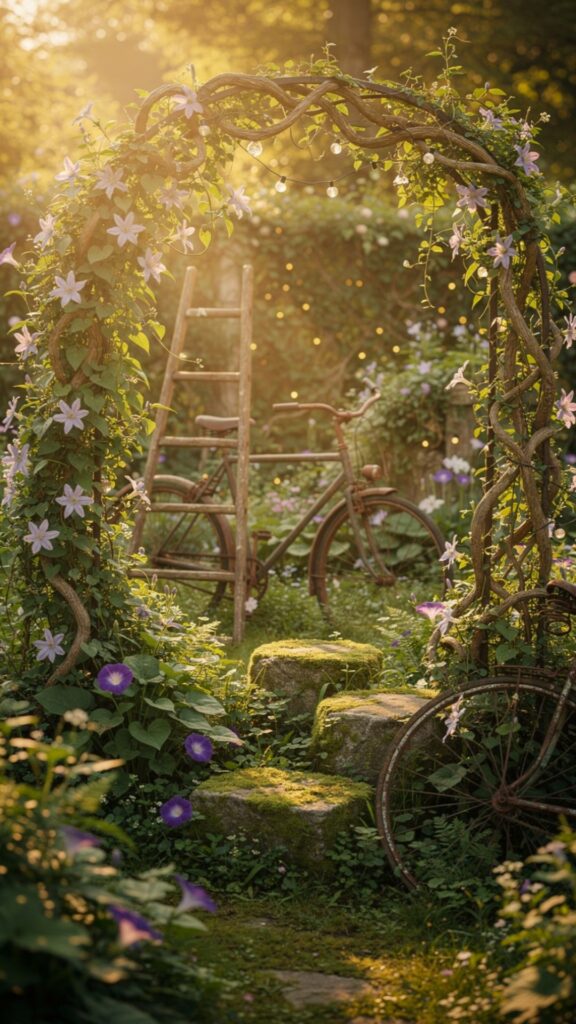
Vertical gardening is one of the most powerful tools in the whimsical garden designer’s kit. By training climbing plants up unusual structures a repurposed ladder, a collection of vintage bedframes, an A-frame made from salvaged wood, or an old bicycle propped against a fence you add height, drama, and a story-like quality to the garden that flat planting beds cannot achieve.
The most effective climbing plants for whimsical gardens include sweet peas for their fragrance and soft colors, morning glory for its rapid growth and jewel-toned blooms, and climbing roses for their classic romance. For foliage rather than flowers, hops, Virginia creeper, and golden hop (Humulus lupulus ‘Aureus’) create lush green walls very quickly.
Combining a flowering climber with a foliage climber on the same structure creates year-round interest. Structure choice is where whimsical gardeners really get to be creative. A collection of tall bamboo canes arranged in a teepee shape and wrapped with wire is simple, cheap, and highly effective.
An old metal headboard leaned against a wall and covered with sweet peas is instantly charming. The structure itself becomes garden art before the plants have even grown, and as the season progresses, it disappears beneath a curtain of bloom.
Design a Mushroom and Toadstool Theme:
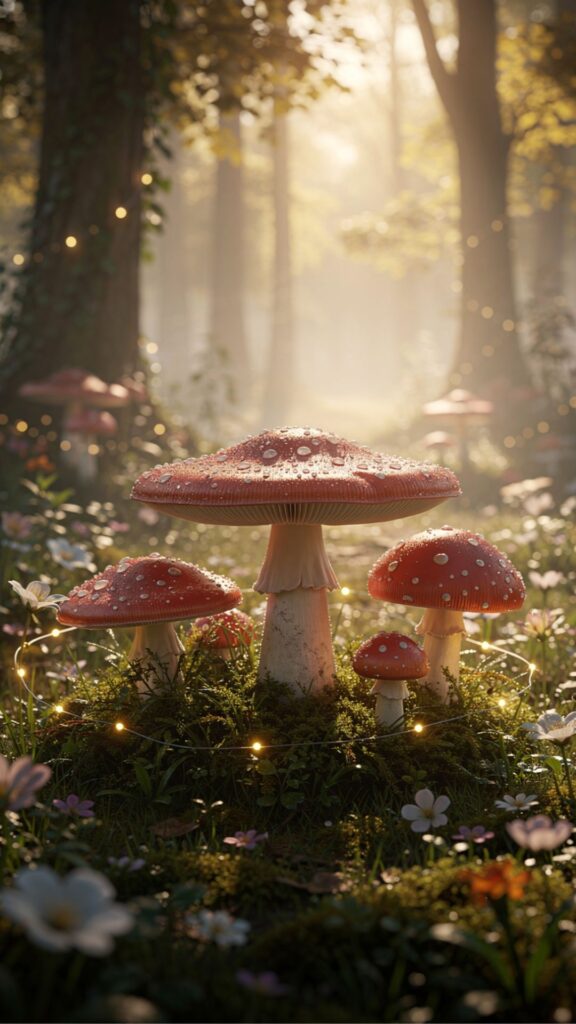
Few design motifs are as immediately evocative of a whimsical, fairy-tale garden as mushrooms and toadstools. Oversized ceramic or concrete toadstools placed among low ground covers, real mushroom logs tucked beneath trees, or hand-painted wooden mushroom stakes scattered through a flower bed all of these instantly transport a garden into storybook territory. This theme works particularly well in shaded garden areas where other planting options are limited.
Functional mushroom growing is another layer to explore. Inoculated mushroom logs planted in shady spots will produce oyster mushrooms, shiitake, or lion’s mane year after year. These living elements blur the line between edible garden and ornamental garden one of the most exciting directions in contemporary gardening.
Pairing real mushroom logs with decorative toadstool sculptures creates a layered, complex narrative within the garden. From a design perspective, the mushroom theme works best when it is integrated throughout the garden rather than concentrated in one spot.
A toadstool peeking out from beneath a hosta, a mushroom-shaped birdbath at the end of a path, and a cluster of painted stone mushrooms around a tree base these scattered elements reward exploration and make the garden feel like it has its own internal logic and mythology.
Create a Miniature Fairy Garden:
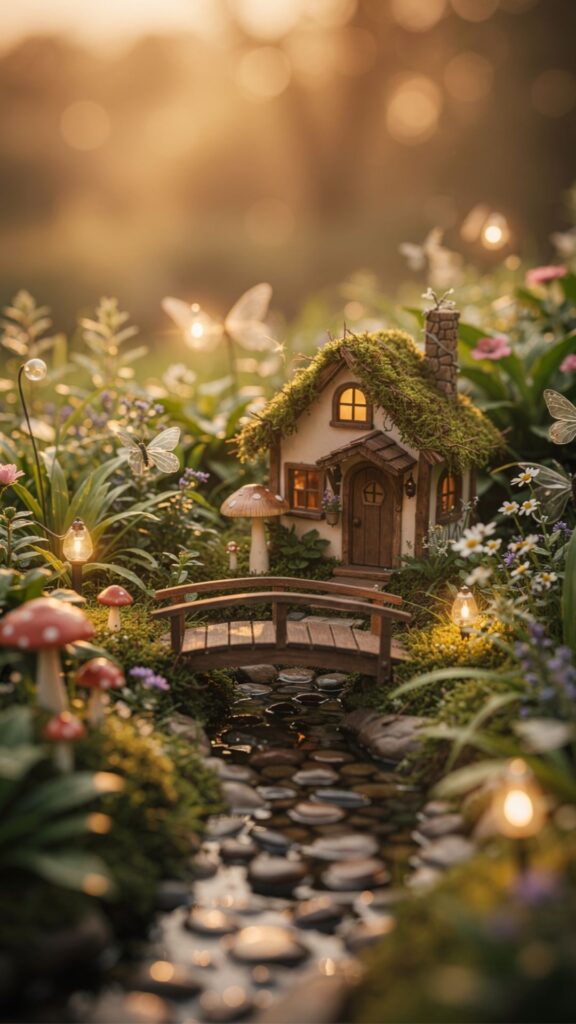
Miniature fairy gardens have evolved far beyond novelty gifts and children’s projects. In the hands of a skilled garden designer, a well-crafted fairy garden whether in a large container, a dedicated raised bed, or a ground-level installation can be a genuinely sophisticated piece of horticultural art.
The appeal is universal: something about the scale invites wonder and careful, close-up attention that large garden features never inspire. Choosing the right plants is the foundation of a successful fairy garden. Dwarf conifers, creeping phlox, baby tears (Soleirolia soleirolii), miniature hostas, and alpine plants are all excellent choices because their scale mimics full-sized trees and shrubs when viewed up close.
Adding a tiny winding path of fine gravel, a mirror shard as a pond, and miniature accessories like a wooden bench or a tiny door set into a tree root completes the illusion. The most compelling fairy gardens tell a story. Rather than simply placing objects at random, think about who lives there, what they do, and what their world looks like.
A tiny cottage with a smoking chimney, a mini clothesline with thimble-sized laundry, a lantern made from a jar cap these narrative details are what elevate a fairy garden from a cute novelty to a piece of genuine creative expression.
Use Colorful and Unusual Plant Combinations:
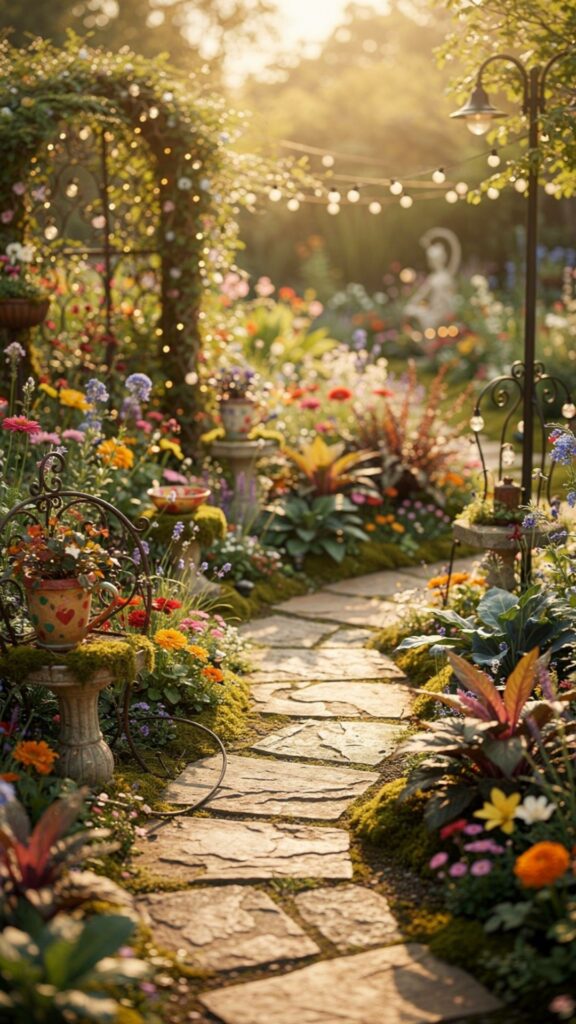
Color is one of the most immediate and powerful tools in whimsical garden design. Unlike formal gardens that favor harmonious, restrained palettes, whimsical gardens embrace bold, unexpected color combinations purple salvia with orange marigolds, deep burgundy dahlias alongside acid-yellow achillea, or hot pink cosmos threaded through silver artemisia. The goal is not shock for its own sake, but a vibrant, joyful energy that makes the garden feel alive.
Beyond flower color, whimsical gardeners also play with foliage color and texture. Dark-leaved plants like purple basil, ‘Black Lace’ elderberry, or copper-toned heuchera create dramatic contrast with bright flowers. Variegated plants add a painted, almost unreal quality to borders. Using foliage color extends the visual impact of the garden well beyond the narrow window of each plant’s bloom time.
One particularly effective technique is the ‘thriller, filler, spiller’ approach applied with a whimsical twist. In each container or bed section, place one dramatic, tall focal plant (the thriller), surround it with mid-height textural plants (the fillers), and edge it with cascading or trailing plants (the spillers). When you choose unusual or unexpected plants for each role a striped grass as the thriller, a black-leafed sweet potato vine as the spiller the result is genuinely surprising and memorable.
Hang Decorative Birdhouses and Feeders:
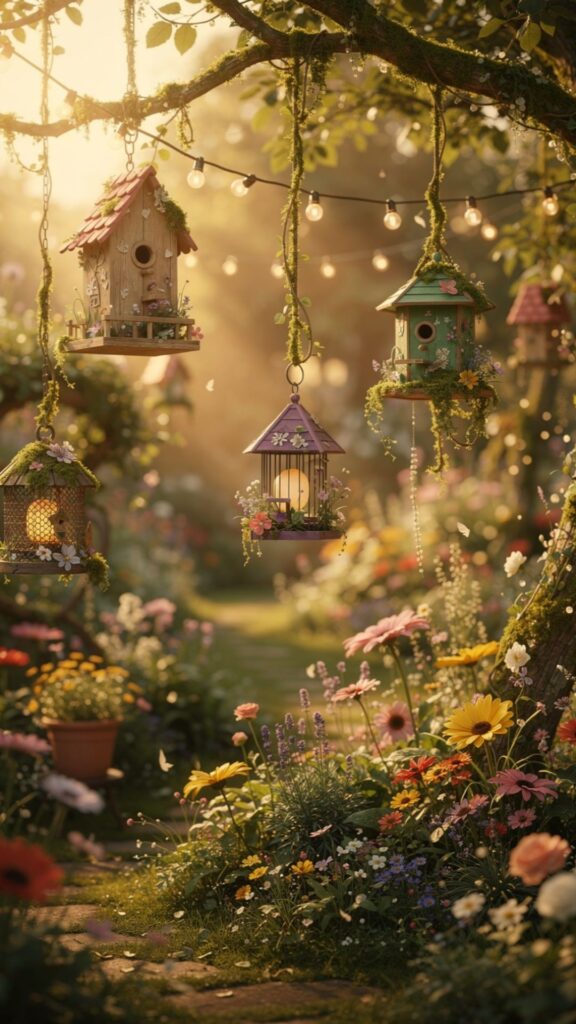
Birdhouses and feeders are traditional garden accessories, but in a whimsical garden, they become much more than functional objects. Hand-painted birdhouses in unexpected colors, miniature architectural birdhouses that echo the style of your home, or whittled wooden feeders shaped like mushrooms or toadstools these pieces bring the garden to life in a literal sense by attracting birds that become part of the living display.
Placement is key. Rather than hanging all feeders in one spot, distribute them throughout the garden at different heights some low enough for ground-feeding birds, some at eye level, some high in trees. This encourages movement and makes the whole garden feel animated. Planting berry-producing shrubs like beautyberry, elderberry, or native viburnums near feeders provides natural supplemental food and deepens the garden’s ecological value.
One underexplored opportunity is combining birdhouses with climbing plants. A birdhouse mounted on a post and wrapped in climbing sweet peas or nasturtiums becomes a sculptural focal point that also serves as habitat. Similarly, hanging a glass hummingbird feeder filled with red nectar inside an arch of flowering climber creates a layered, painterly composition that draws both birds and admirers.
Incorporate Vintage and Antique Garden Elements:
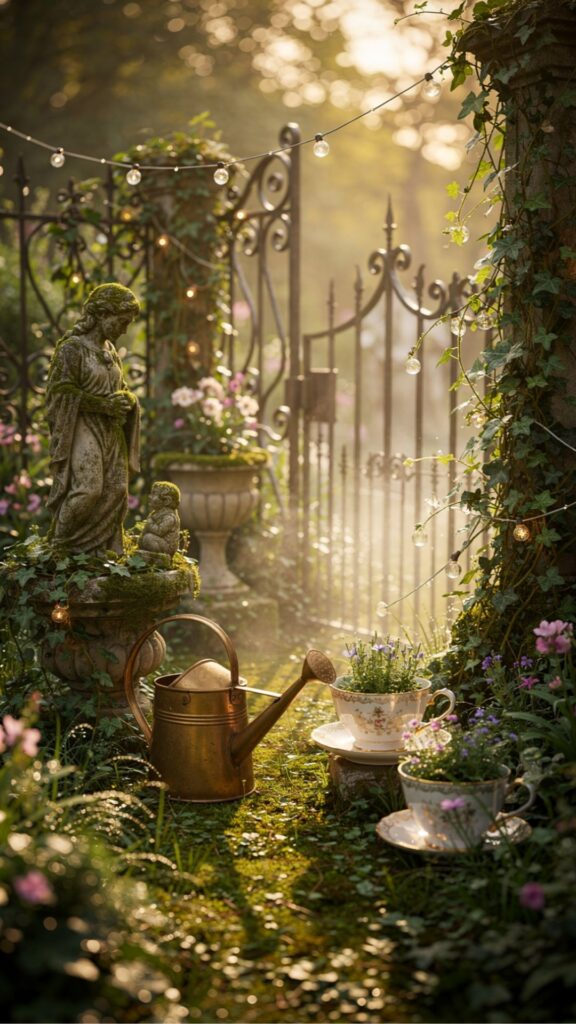
Vintage and antique elements give a whimsical garden a sense of history and permanence that newly purchased decor cannot replicate. A wrought iron gate salvaged from an old estate, a stone bird bath worn smooth with age, a pair of terracotta urns with a beautifully weathered patina these objects bring a narrative depth that suggests the garden has been loved and tended across generations.
Finding vintage garden elements requires some patience but yields extraordinary results. Estate sales, architectural salvage yards, antique markets, and even online auction platforms are excellent sources. Look for items that have aged gracefully developed an interesting patina, acquired moss or lichens, or show the honest wear of decades of outdoor use.
These qualities cannot be faked and are exactly what makes vintage pieces so compelling in a garden setting. When incorporating vintage elements, resist the temptation to restore or repaint them. The weathering IS the beauty.
Position them where they can be partially reclaimed by plants a mossy stone statue emerging from a carpet of creeping jenny, a rusted iron gate half-hidden by climbing roses so they appear to be growing from the garden itself rather than placed upon it. This integration between old objects and living plants is one of the most powerful effects in whimsical garden design.
Plant a Moon Garden for Nighttime Magic:

A moon garden is a specialized and deeply sophisticated element of whimsical garden design that most gardeners never consider. By selecting plants with white or pale flowers and silver, grey, or variegated foliage, a moon garden creates a luminous, almost otherworldly display after dark. In daylight, these plants are beautiful but understated; at night, they glow with reflected moonlight in a way that feels genuinely magical.
Classic moon garden plants include white roses, night-blooming jasmine, moonflower (Ipomoea alba), white nicotiana, silver artemisia, dusty miller, lamb’s ears (Stachys byzantina), and white-flowering agapanthus. Many white-flowered plants also release their strongest fragrance at night nicotiana, moonflower, and white phlox all do this, attracting nocturnal pollinators like hawkmoths and creating a multi-sensory evening experience that is truly unforgettable.
The best moon gardens are positioned where you can enjoy them from a seating area a porch, a patio, or a garden bench placed to face the white plantings. Add a white stone path, a pale gravel mulch to reflect available light, and a few solar-powered lanterns, and the moon garden becomes a destination in its own right. For a future-focused garden design, the moon garden is an inspired choice: its soft, low-stimulation environment is increasingly valued as a digital detox retreat.
Explore This: Outdoor Wedding Decor Ideas That Share the Same Enchanting Vibe as Your Whimsical Garden.
Add Stepping Stones with Personality:

Stepping stones are a fundamental whimsical garden element, but the most effective ones go far beyond standard concrete circles from a garden center. Hand-cast concrete stones embedded with mosaic glass, pressed leaves, or children’s handprints; flagstones with carved text or motifs; reclaimed tiles in unexpected patterns these personalized stepping stones turn a path into an autobiography of the garden and its creator.
Creating your own stepping stones is simpler than most people expect. Pre-made molds are available, or you can use a cake pan or an old bowl lined with plastic wrap. Mix concrete, pour it into the mold, and immediately press in your chosen decorations glass gems, shells, ceramic tile pieces, old china shards, or even pressed flowers sealed with resin. Within 24 hours, you have a stepping stone that is completely unique and deeply personal.
Beyond aesthetics, custom stepping stones serve an important functional role in a whimsical garden. They guide visitors along a specific route, control foot traffic away from fragile plants, and create natural pauses where people stop and look around. Positioning stepping stones so that each pause offers a different view a hidden sculpture, a burst of color, a fragrant plant at nose height turns a simple path into a curated garden experience.
Conclusion
A whimsical garden is one of the most rewarding creative projects you can undertake a living, evolving space that reflects your personality and invites everyone who enters it to slow down, look closely, and feel a sense of wonder.
By layering enchanted garden lighting, playful sculptures, cottage garden planting, secret nooks, and carefully chosen vintage accents, you can transform any outdoor space into something truly magical. The ideas in this guide give you a solid foundation, but the most important ingredient is your own imagination.
Start with one or two ideas that excite you most perhaps a fairy-tale pathway, a miniature fairy garden, or a cluster of whimsical birdhouses and let the garden grow organically from there. The best whimsical gardens are built slowly, with intention and joy, over many seasons. Each addition tells a new chapter of the garden’s story. Your whimsical garden awaits go start building it today.

Team TrandyVilla is the passionate home decor team behind Trandy Villa, where style meets comfort in everyday living. The team loves transforming simple spaces into beautiful, functional homes through smart ideas, budget-friendly hacks, and modern design trends. Their content focuses on helping readers create homes that feel both stylish and personal without spending too much.